Wed 4 Apr 2012, 13:33 GMT

APL on course to cut emissions by 30%


Container carrier says new vessel program and slow steaming have helped improve fuel efficiency.


Container carrier APL said today that it is on course to reduce the carbon exhaust emissions from its global shipping operations by 30% by 2015. The Singapore-based line said the combination of an influx of new vessels and its slow steaming initiative puts the target within reach.

By 2015, APL said its fleet will produce 130 gramnes of carbon exhaust for every TEU (twenty-foot equivalent unit) of cargo transported one nautical mile. That would be a 30% reduction from emission levels in 2009 - when outside auditors first calculated APL’s carbon footprint.

"We’re changing the profile of our fleet with larger, more efficient ships that will significantly curb exhaust emissions," said APL President Kenneth Glenn. "It’s the most effective way we know to make global trade environmentally sustainable."

APL said it will deploy 32 new vessels in the next three years and that the ships will be significantly more fuel efficient than its existing fleet, thus resulting in reduced emissions. What's more, APL said the ships will run at less than full speed, further curbing exhaust emissions.

The first two of the new vessels - each with 10,000 TEUs of container-carrying capacity – arrived last December. Two more are due in April.

APL said it is undertaking additional steps to curb carbon exhaust emissions that include:

* Optimizing vessel trim, speed and routing;

* Improving maintenance on vessel hulls to reduce drag in the water; and

* Upgrading cargo handling equipment at APL terminals;

According to industry figures, international shipping produces 2.7% of global greenhouse gas emissions. Container shipping is estimated to be responsible for approximately 25% of that amount.

Caspar Gooren, Titan. Titan Clean Fuels signs e-methane supply deal with TURN2X for 2028 delivery  

Bunker supplier to receive e-methane from Spanish production plant for distribution across European ports.

Hydrogen-fuelled engine 6UEC35LSGH. Japan consortium achieves hydrogen co-firing in main engine for large commercial vessel  

Engine reaches over 95% hydrogen co-firing ratio, with installation planned for 2027.

BTB bunker truck. Belgian Trading & Bunkering expands DMA 0.89 truck deliveries in ARA region  

BTB extends marine fuel offerings with truck-based deliveries to meet maritime market demand.

Fuel pathway roundtable meeting participants. ABS convenes roundtable on offshore power barge for Great Lakes emissions reduction  

Meeting brought together ports, academia and industry to advance shore power solution under EPA programme.

Lego Ane Maersk video screenshot. Maersk marks 50-year Lego partnership with dual-fuel vessel model  

Shipping company displays an exhibition of Lego sets spanning five decades at Copenhagen headquarters.

Guo Yun Hai vessel. Cosco Shipping takes delivery of 80,000-dwt methanol-ready grain carrier  

Guo Yun Hai features box-shaped cargo hold and methanol-ready design with energy-saving devices.

CMA CGM Innovation ship-to-ship transfer. Algeciras reports record LNG bunkering volumes, claims European top-three position  

Spanish port says it supplied 333,833 cbm of LNG across 78 ship-to-ship operations in 2025.

Additional costs chart. T&E: Iran conflict costing shipping industry €340m a day in fuel costs  

Transport & Environment analysis shows marine fuel price surge has cost the industry €4.6bn since conflict began.

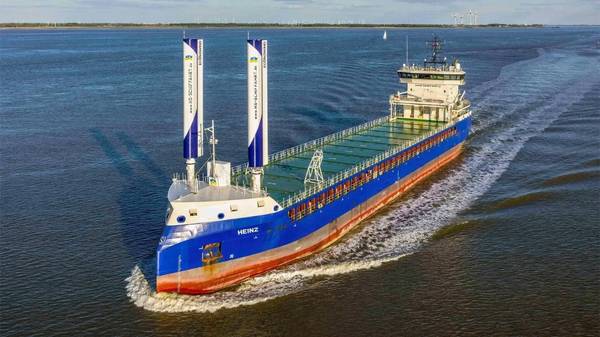
CF 3850 vessel render. Damen delivers second hybrid-ready combi freighter to German shipowner  

The vessel features biofuel capability and will be retrofitted with wind-assist technology with government funding.

Engine retrofit report 2026 graphic. Retrofit capability expands as regulatory uncertainty slows alternative-fuel conversions  

Lloyd’s Register warns delayed conversions could compress demand into a narrower, costlier timeframe as the fleet ages.