
 |
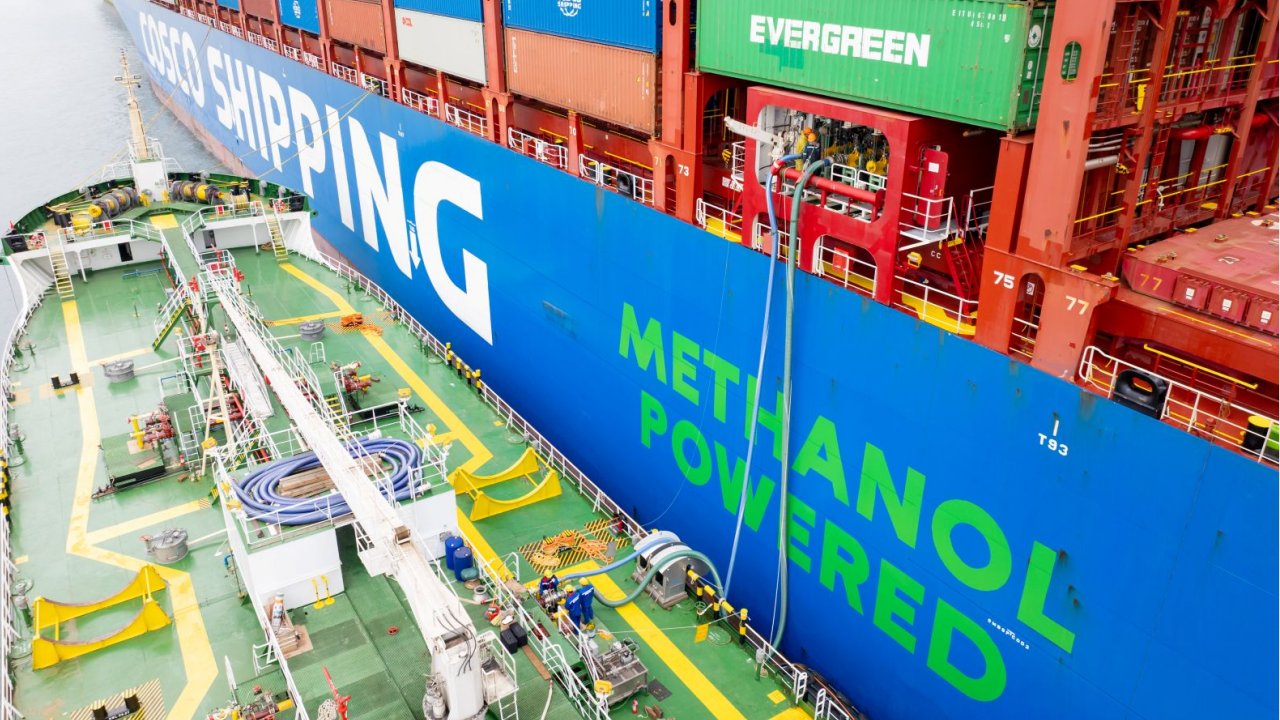
Hong Kong has completed its first simultaneous operations (SIMOPS) green methanol bunkering at Cosco-HIT Terminals, located within Kwai Tsing Container Terminals complex.
The operation involved the methanol dual-fuel container vessel Cosco Shipping Gemini, which has a carrying capacity of more than 20,000 TEU. The vessel received 200 tonnes of green methanol through a ship-to-ship transfer from the delivery tanker Da Qing 268, operated by Chimbusco Pan Nation (CPN). The bunkering process was completed within five hours.
The fuel was produced by Venex, a joint venture between Hong Kong and China Gas Company Limited (Towngas) and Foran Energy, at a facility in Inner Mongolia. According to Towngas, the green methanol carries ISCC EU and ISCC PLUS sustainability certifications and is produced from biomass waste using proprietary conversion technology.
Distribution of the fuel was coordinated by Chimbusco Pan Nation, which works with Towngas to supply green methanol to maritime customers.
Hong Kong Seaport Alliance (HKSPA) said the operation marks a step forward in Hong Kong’s development as a hub for alternative marine fuels.
Market projections cited by the alliance suggest that the global green methanol sector could grow from approximately $2.9bn in 2025 to $41.1bn by 2035, representing a compound annual growth rate of 30.4%. Hong Kong is currently one of the world’s largest bunkering ports, and government data indicates that 22.5% of ocean-going vessels visiting the port in 2023 did so primarily for bunkering.
“This operation demonstrates Hong Kong's growing capability as a premier green maritime fuel bunkering and trading centre. We will continue to work with industry partners to diversify our energy portfolio and attract a broader network of green fuel suppliers to the city,” commented Mable Chan, Secretary for Transport and Logistics.
Ivor Chow, Managing Director, Hong Kong International Terminals, remarked: “With shipping lines facing increasingly stringent sustainability requirements, the ability to provide alternative fuelling options has become a key competitive differentiator for ports. Today's operation positions Hong Kong to support our customers' decarbonisation commitments.”
Horace Lo, Group Managing Director, Modern Terminals, said the initiative demonstrates the port’s operational readiness for alternative fuels and reinforces Hong Kong’s position as an international maritime centre.
Tao Weidong, Executive Director and General Manager, Cosco Shipping Holdings Co., Ltd., stated: “By investing in methanol-enabled vessels, we are future-proofing our fleet while supporting our customers' sustainability goals. This accomplishment highlights the collective efforts of the industry, particularly Cosco-HIT Terminals for its leadership in facilitating and executing Hong Kong's first such operation.”
Calvin Chung, Director, CPN, said the project expands the company’s capabilities in alternative fuels. “This milestone demonstrates CPN's expanding alternative fuel capacity beyond marine biofuels to green methanol. By integrating our expertise with a robust partner ecosystem, we are securing Hong Kong's future as a premier green port.”
Referring to industry data, HKSPA indicated that more than 65 large container vessels capable of operating on green methanol have already been ordered or delivered. By 2027, nearly 1 million TEU of green methanol-powered capacity is expected to enter service, representing around 2% to 3% of the global container fleet.
|
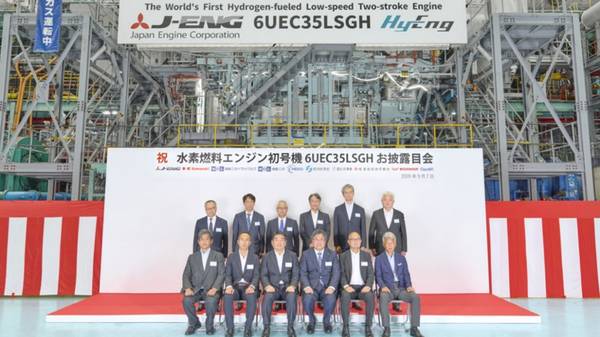
Japan Engine completes land-based testing of landmark hydrogen-fuelled engine for large vessels
Hydrogen co-firing rate of at least 95% achieved during factory testing. |
|
|
|
||
|
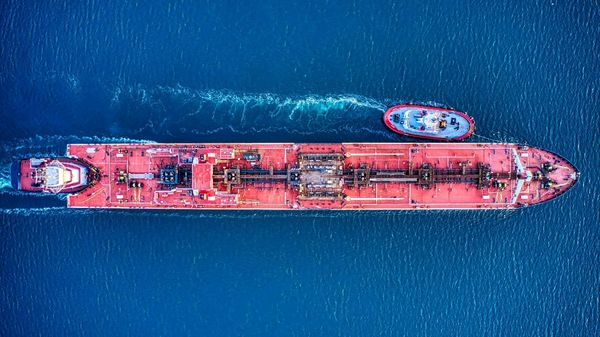
Ethanol edges into shipping’s fuel mix as methanol crossover eases adoption barriers
Rising interest from cargo owners, shared technology with methanol and Brazilian production growth push ethanol beyond regional niche status. |
|
|
|
||
|
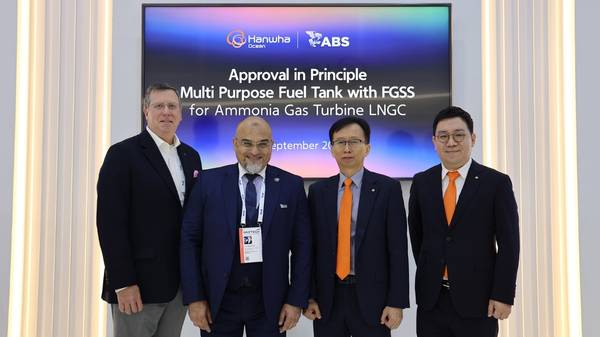
ABS grants Hanwha Ocean approval for dual-fuel tank enabling LNG-to-ammonia switch
In-principle approval awarded for fuel tank and supply system enabling LNG carriers to convert to ammonia without replacement. |
|
|
|
||
|
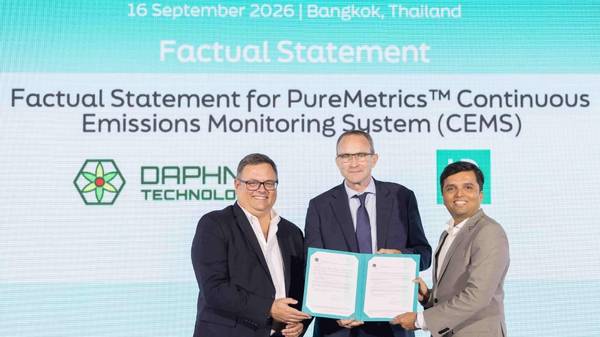
Lloyd's Register confirms suitability of Daphne Technology's emissions monitoring system
Factual Statement validates the PureMetrics design for monitoring greenhouse gas emissions from marine engines. |
|
|
|
||

|
IMO issues shipboard biofuel blend checklist developed by IBIA
Checklist for FAME-based biofuels formally incorporated into IMO document, supporting crews handling biofuel blends for the first time. |
|
|
|
||
|
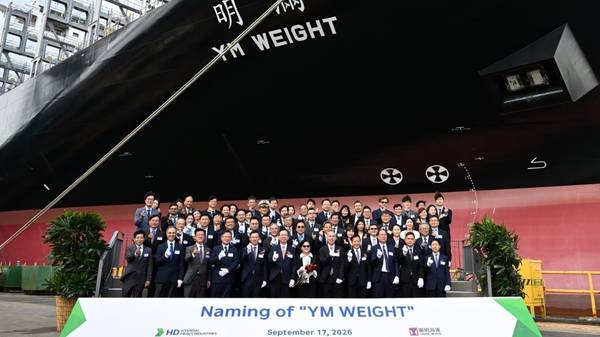
Yang Ming names fourth LNG dual-fuel container vessel YM Weight
Newbuild features high-pressure dual-fuel main engines capable of running on either LNG or low-sulphur fuel oil. |
|
|
|
||
|
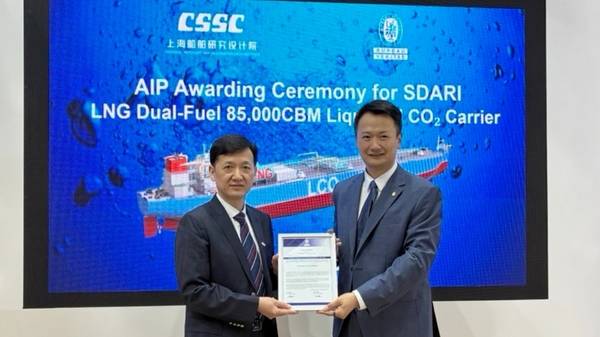
Bureau Veritas grants AiP to SDARI’s LNG dual-fuel liquefied CO₂ carrier design
Classification society approves 85,000-cbm vessel concept designed to support the growing carbon capture and storage sector. |
|
|
|
||

|
JuWonOil looking to strengthen with two Houston hires
Texas-based firm is recruiting a marine lubricants sales executive and a marine fuels and distillates trader. |
|
|
|
||
|
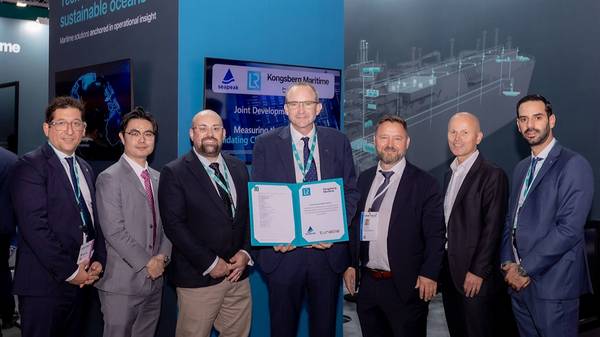
Four firms partner to trial continuous emissions monitoring on LNG carrier
LR, Seapeak, Kongsberg Maritime and Tunable will test onboard CO₂ monitoring against engine data and default emissions factors. |
|
|
|
||
|
Bunker Holding reshuffles commercial leadership across brand portfolio
Appointments announced across KPI OceanConnect, Glander International Bunkering and its digital sales operations. |
|
|
|
||
| Hong Kong completes first green methanol bunkering operation [News & Insights] |
| Chimbusco Pan Nation launches B100 biodiesel supply in Hong Kong [News & Insights] |
| CPN delivers first B30 marine gasoil to OOCL in Hong Kong [News & Insights] |
| IBIA and Hong Kong Shipowners Association sign MoU on marine energy collaboration [News & Insights] |
| Japan Engine completes land-based testing of landmark hydrogen-fuelled engine for large vessels [News & Insights] |
| Yang Ming names fourth LNG dual-fuel container vessel YM Weight [News & Insights] |
| GTT Energy launches new LNG fuel tank design for container ships [News & Insights] |
| LNG dual-fuel container ship delivered to Eastern Pacific Shipping [News & Insights] |
| World's first operational ammonia bunker vessel enters service [News & Insights] |
