
|
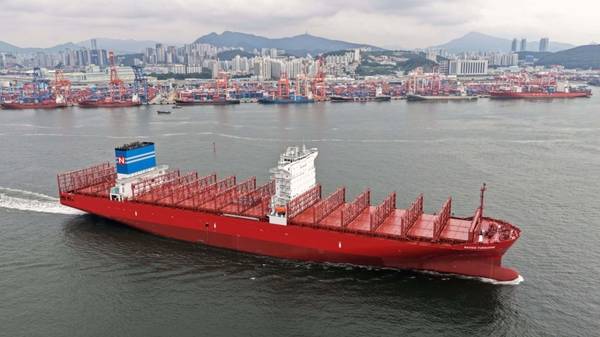
Navios Partners takes delivery of second LNG- and methanol-ready boxship in newbuilding series
Handover of 7,900-TEU Navios Turquoise follows delivery of sister ship Navios Cyan in May. |
|
|
|
||
|
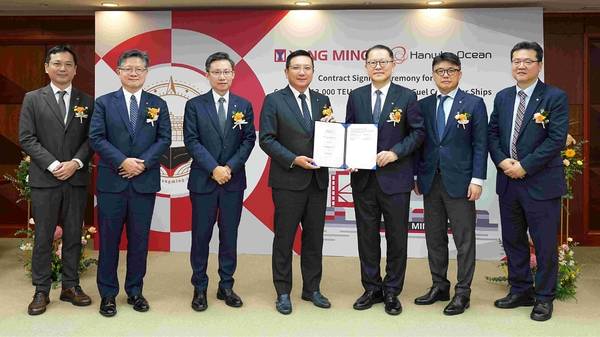
Yang Ming orders six 13,000-TEU LNG dual-fuel vessels from Hanwha Ocean
Taiwanese carrier expands green fleet with ammonia-ready newbuilds due for delivery by 2029. |
|
|
|
||
|
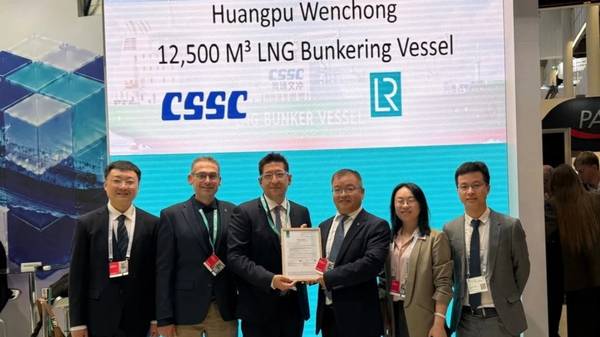
LR awards approval in principle to Chinese yard for 12,500-cbm LNG bunker vessel design
Lloyd’s Register validates new LNG bunkering vessel concept by CSSC Huangpu Wenchong at SMM 2026. |
|
|
|
||
|
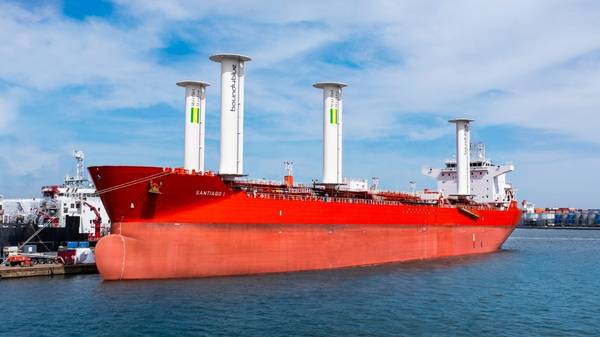
Marflet Marine becomes first Spanish merchant fleet owner to operate wind-assisted suction sails
Spanish chemical tanker operator installs bound4blue eSAILs, targeting 10–15% energy savings. |
|
|
|
||
|
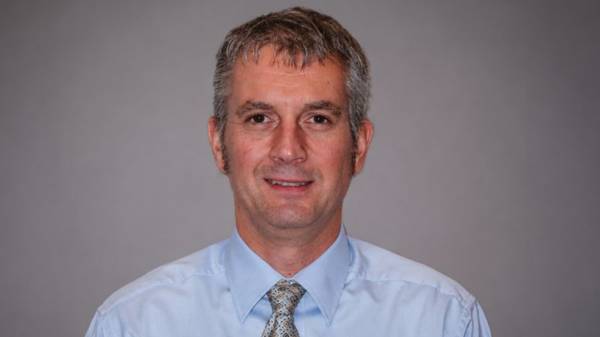
IBIA appoints veteran fuel industry trainer Teunis Visser as advisor
Association brings on board specialist with nearly 40 years of oil, gas and bunker sector experience. |
|
|
|
||
|
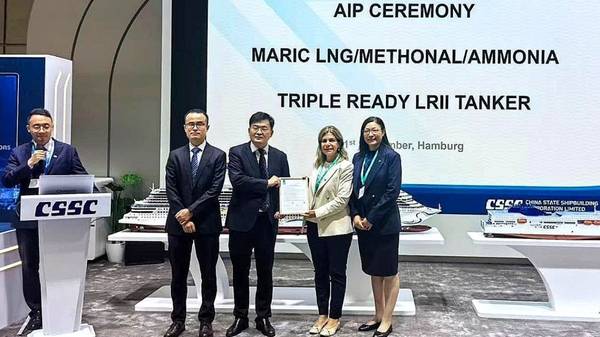
Lloyd’s Register and MARIC unveil tri-fuel-ready tanker concept at SMM 2026
New 114,000-DWT tanker design offers conversion readiness for LNG, methanol or ammonia. |
|
|
|
||
|
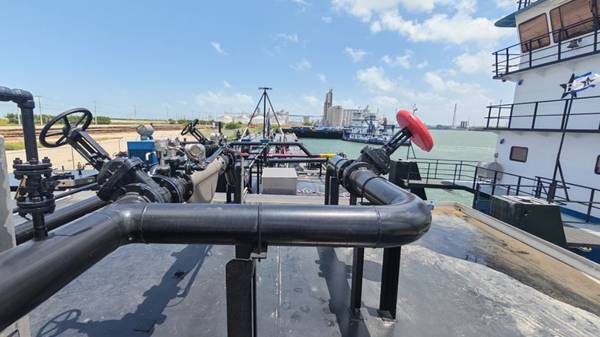
TFG Marine fits two more US Gulf Coast barges with certified mass flow meters
TFG Marine expands its mass flow meter rollout on the US Gulf Coast, adding ISO 22192 certification to two supply barges. |
|
|
|
||
|
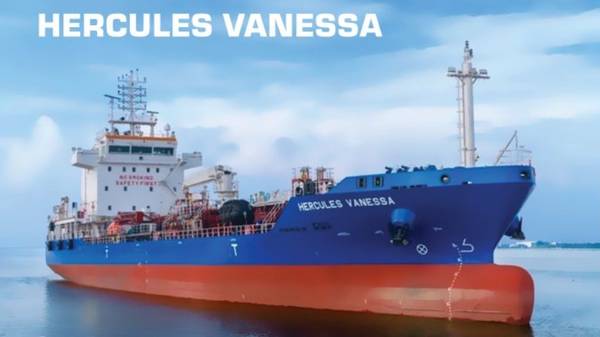
HTM’s Hercules Vanessa begins maiden voyage as Ultra-Spec tanker series expands
Vessel is the latest addition to Hercules Tanker Management’s 10-ship next-generation fleet renewal programme. |
|
|
|
||
|
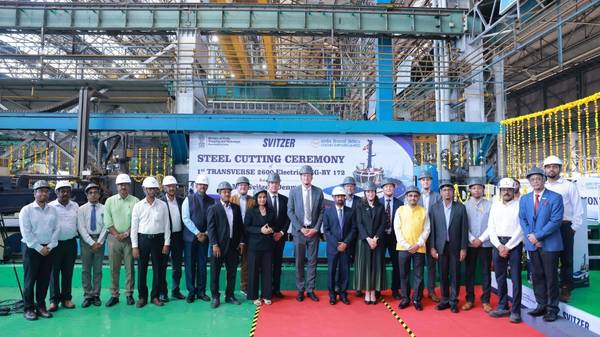
Cochin Shipyard begins construction of Svitzer’s battery-electric tugs in India
Four TRAnsverse 2600e vessels are claimed to be among the most advanced green tugs under construction globally. |
|
|
|
||
|
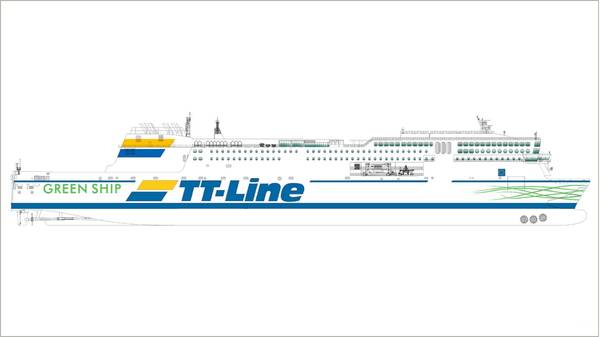
MacGregor wins ro-ro equipment contract for TT-Line’s battery-hybrid LNG ferries
Company to supply cargo handling systems for two new LNG-powered ferries destined for Baltic Sea routes. |
|
|
|
||
| Clean air initiative shows 'significant improvement' [News & Insights] |
| Seattle: Cruise bunker volumes set to fall in 2011 [News & Insights] |
| US port approves 2011 green budget [News & Insights] |
| Record cruise ship calls for Seattle [News & Insights] |
| Maersk and Anemoi to fit rotor sail on container ship in industry first [News & Insights] |
| Hapag-Lloyd cuts steel for first vessel of new London Express class [News & Insights] |
| Maersk takes delivery of dual-fuel methanol-capable Tacoma Maersk in China [News & Insights] |
| Tsuneishi China delivers fourth methanol dual-fuel 5,900-TEU boxship [News & Insights] |
| Maersk bunkers large dual-fuel vessel with 100% ethanol in Barcelona [News & Insights] |

