
 |
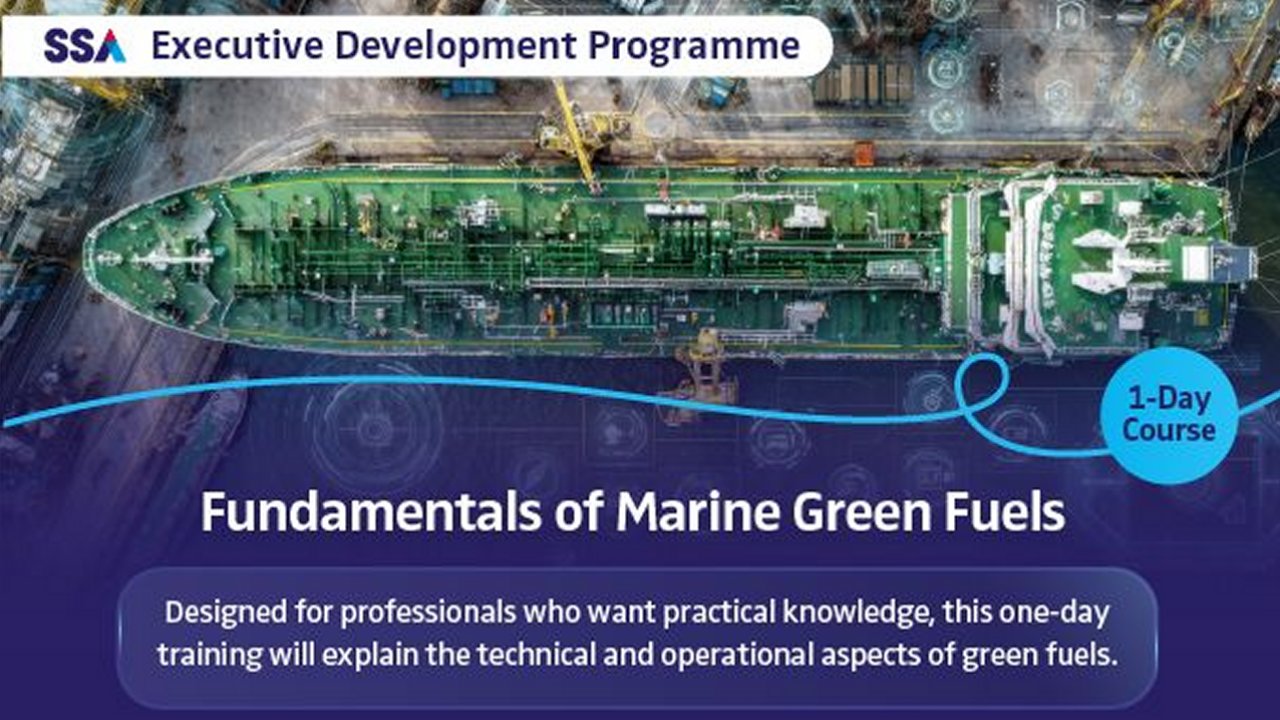
The Singapore Shipping Association (SSA) has introduced a new training course on marine green fuels as part of its executive development programme, with the first session scheduled for 13 April.
The one-day course, titled 'Fundamentals of Marine Green Fuels,' is designed to examine the supply chains behind low-carbon fuels as the shipping industry works towards emissions reduction targets.
According to the association, the programme will explore how low-carbon marine fuel supply chains are structured, alongside different approaches to emissions accounting, including well-to-wake (WtW) and tank-to-wake (TtW) methodologies and their relevance for regulatory compliance.
Moreover, the course will examine the technical and logistical considerations associated with fuels such as biofuels, methanol, ammonia and hydrogen, including infrastructure requirements, safety considerations and scalability challenges.
Participants will also review regional case studies from ASEAN and China, together with discussions on investment patterns and emerging locations for fuel production and supply.
The training session will run from 8:30 am to 5:30 pm at the SSA boardroom in Singapore.
Dr Sanjay C. Kuttan and Aohan Qin will deliver the course.
The programme forms part of the SSA Executive Development Programme, which provides professional training for the maritime sector in Singapore. Interested participants have been directed to Circular SSA/031/26/EML or to contact trainingsupport@ssa.org.sg for registration details.
|
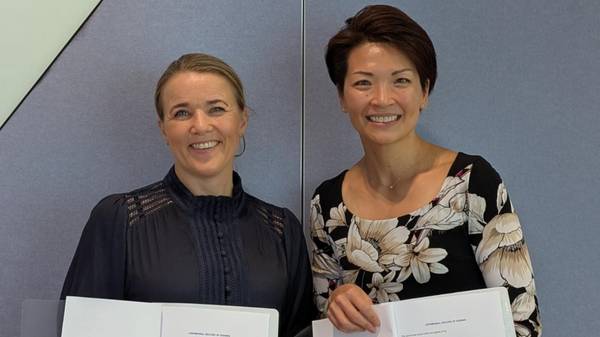
GCMD and Equinor sign five-year partnership on alternative fuels and carbon storage
Singapore-based centre and Norwegian energy company to combine expertise in maritime pilots and low-carbon fuel supply. |
|
|
|
||
|
Petrobras suspends bunker deliveries at Rio Grande after tropical storm
Storm damage and power outage leave resumption timeline unclear. |
|
|
|
||
|
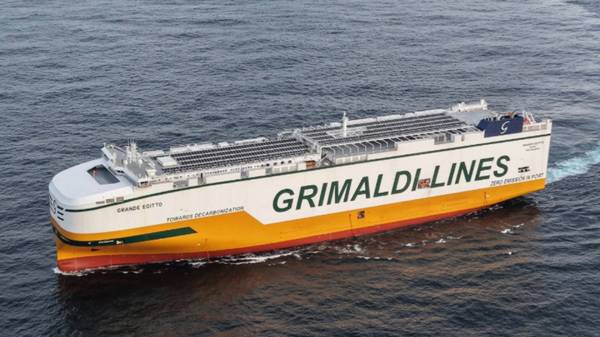
Grimaldi adds fourteenth ammonia-ready car carrier to fleet
Grande Egitto, built by China Merchants Heavy Industries Jiangsu, will operate on the Asia–East Africa trade route. |
|
|
|
||
|
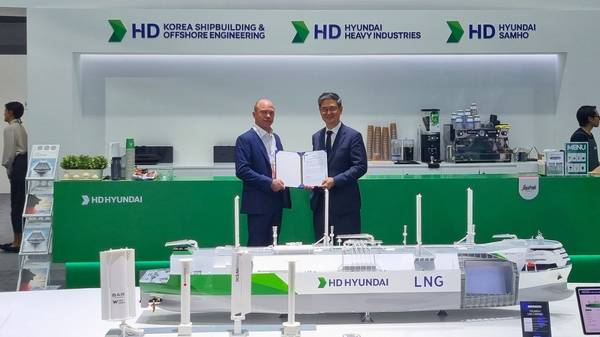
ABS grants design approval for ammonia bunkering vessel from HD HHI and HD KSOE
Approval in principle covers a 22,000-cbm multi-purpose vessel intended to supply ammonia as marine fuel. |
|
|
|
||
|
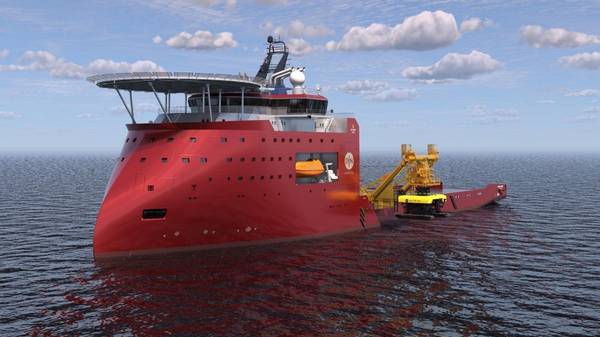
Jan De Nul exercises option for alternative-fuel-capable trenching vessel
Belgian marine contractor confirms option for a second subsea trenching vessel built on Ulstein's customised design platform. |
|
|
|
||
|
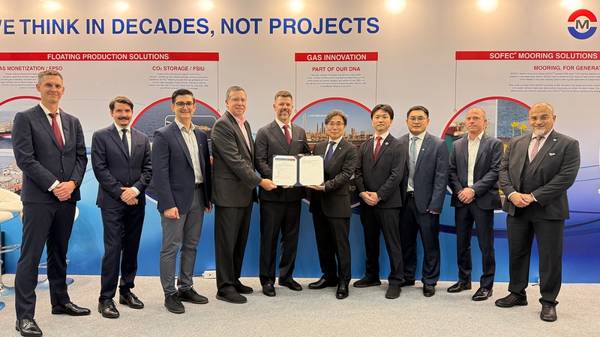
ABS grants technology qualification approval for FPSO fuel cell system
MODEC and Eld Energy’s solid oxide fuel cell system moves towards offshore trials after clearing initial ABS review stages. |
|
|
|
||

|
IMO sub-committee finalises revised methanol fuel safety guidelines
CCC 12 completes revision of interim methanol fuel guidelines while advancing work on carbon capture and low-flashpoint fuel rules. |
|
|
|
||
|
Trafigura spins off VLCC fleet into new listed shipping company
Volare Shipping established, with eight ammonia-ready vessels on order. |
|
|
|
||
|
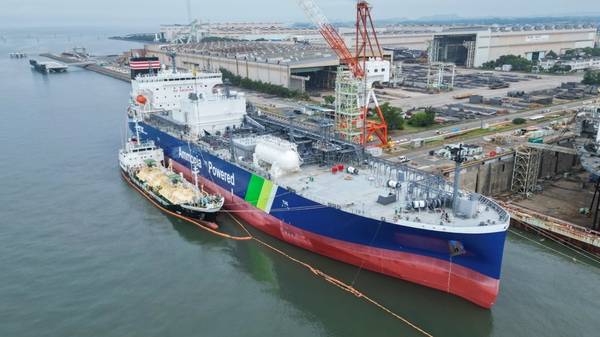
Japan completes world's first ship-to-ship ammonia bunkering to ammonia-fuelled vessel
Ammonia fuel transferred between ships at Ariake Shipyard ahead of gas carrier’s sea trials. |
|
|
|
||
|
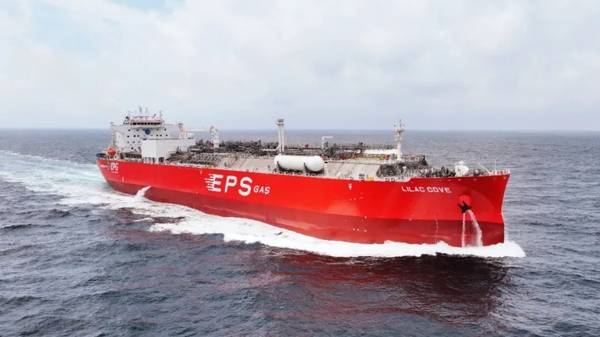
Jiangnan delivers second LPG dual-fuel VLAC in series to Singapore’s EPS
Lilac Cove, the world’s largest liquid ammonia carrier, joins Ivy Cove as Jiangnan advances its six-ship VLAC programme. |
|
|
|
||
| IBIA announces new date for mass flow meter training course in Rotterdam [News & Insights] |
| BSM launches methanol training courses for seafarers [News & Insights] |
| Anglo-Eastern completes pilot training course for ammonia-fuelled vessels [News & Insights] |
| ClassNK partners with GTT Training to offer alternative fuels courses [News & Insights] |
| Trafigura spins off VLCC fleet into new listed shipping company [News & Insights] |
| GTT Energy launches new LNG fuel tank design for container ships [News & Insights] |
| LNG dual-fuel crude oil tankers launched for Maran and Capital Ship [News & Insights] |
| Fincantieri launches Viking Astrea with liquid-hydrogen propulsion at Ancona shipyard [News & Insights] |
| World's first operational ammonia bunker vessel enters service [News & Insights] |
