
 |
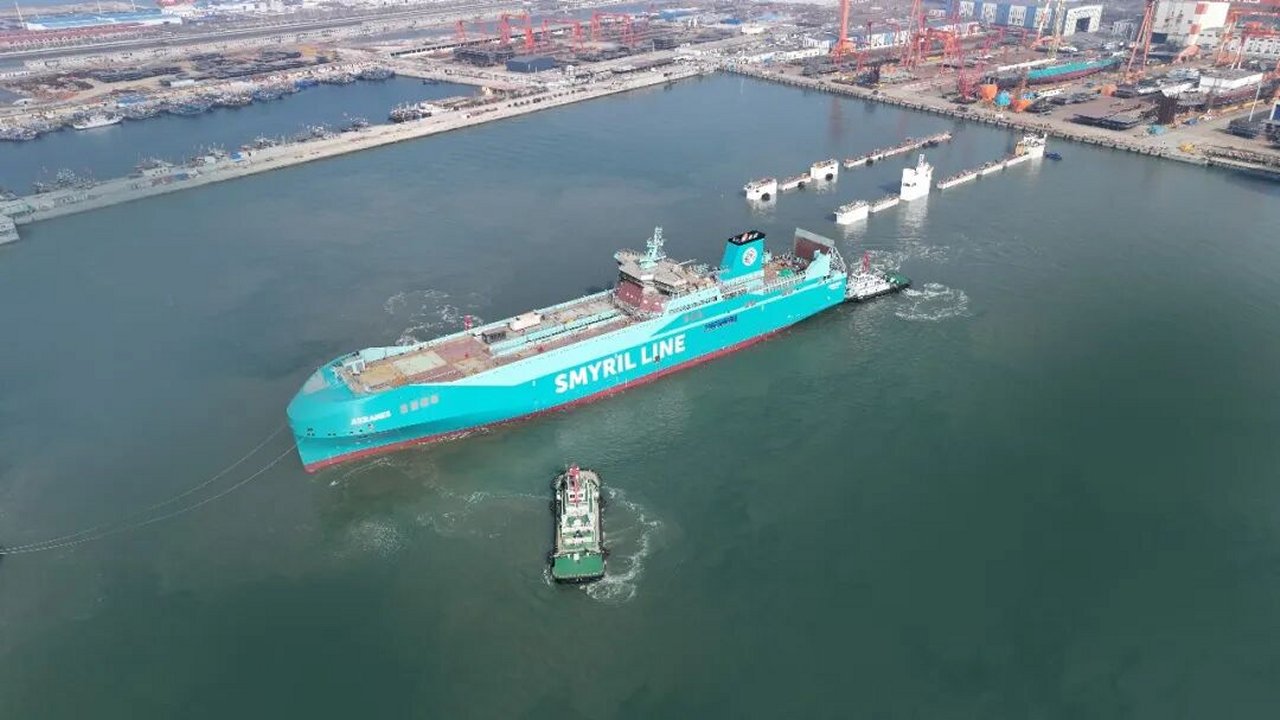
The launch of the first 3,300 lane-metre ro-ro vessel under construction for Faroese shipowner Smyril Line has been completed at its Longkou construction base in China.
The vessel was successfully floated off a barge on 12 February and positioned in the harbour basin, marking a key milestone in the project. The operation began on 7 February when the ship entered the skidding phase and was mounted onto the barge later the same day, despite heavy snowfall.
Once weather conditions improved, the vessel was moved into the basin under the coordination of CIMC Raffles’ Marine Works Department, with several tugs involved in the towing operation.
According to the shipbuilder, the shipowner’s on-site manager commended the professionalism of the yard team and highlighted the cooperative approach between both companies in advancing the project.
CIMC Raffles secured the contract with Smyril Line in 2024 to construct two 3,300 lane-metre methanol-ready ro-ro vessels. The design was developed jointly by Smyril Line and the naval architecture firm Knud E. Hansen.
The vessels measure 189.5 metres in overall length and have been designed to meet methanol-ready standards. CIMC Raffles is acting as the main contractor for the project, responsible for both the design and construction of the ships, with deliveries of the two vessels scheduled during 2026.
After delivery, the vessels are expected to serve North Atlantic routes linking Europe with the Faroe Islands and Iceland.
The methanol-ready configuration allows the ships to be converted to operate on methanol in the future, supporting the maritime sector’s shift towards lower-carbon alternative fuels.
|
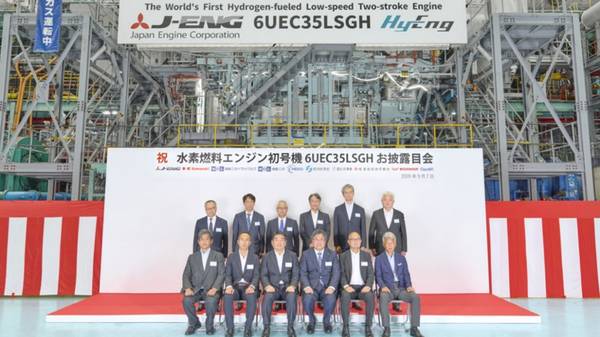
Japan Engine completes land-based testing of landmark hydrogen-fuelled engine for large vessels
Hydrogen co-firing rate of at least 95% achieved during factory testing. |
|
|
|
||
|
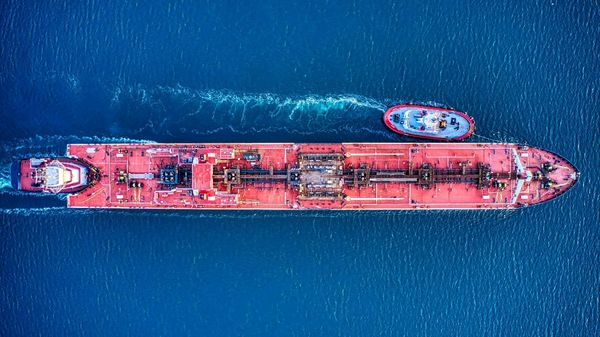
Ethanol edges into shipping’s fuel mix as methanol crossover eases adoption barriers
Rising interest from cargo owners, shared technology with methanol and Brazilian production growth push ethanol beyond regional niche status. |
|
|
|
||
|
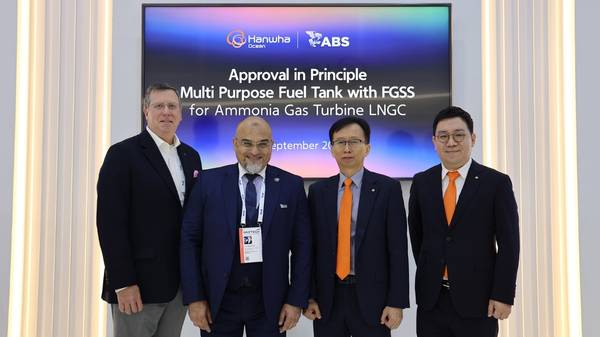
ABS grants Hanwha Ocean approval for dual-fuel tank enabling LNG-to-ammonia switch
In-principle approval awarded for fuel tank and supply system enabling LNG carriers to convert to ammonia without replacement. |
|
|
|
||
|
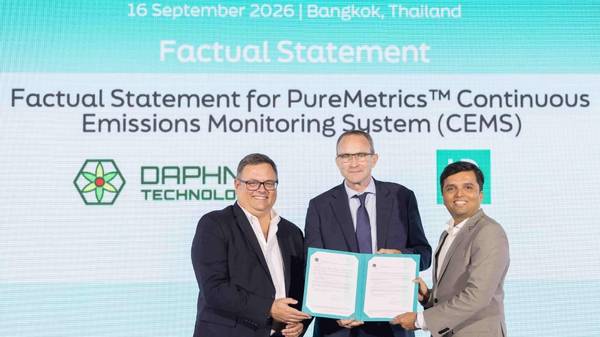
Lloyd's Register confirms suitability of Daphne Technology's emissions monitoring system
Factual Statement validates the PureMetrics design for monitoring greenhouse gas emissions from marine engines. |
|
|
|
||

|
IMO issues shipboard biofuel blend checklist developed by IBIA
Checklist for FAME-based biofuels formally incorporated into IMO document, supporting crews handling biofuel blends for the first time. |
|
|
|
||
|
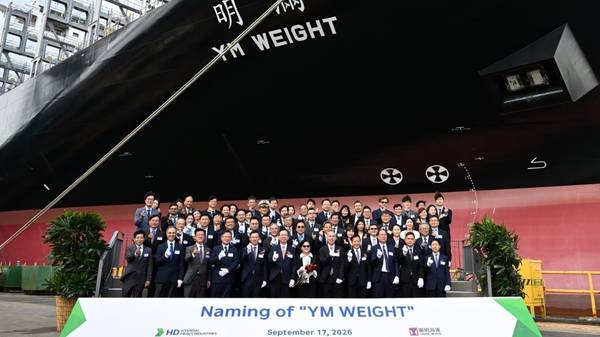
Yang Ming names fourth LNG dual-fuel container vessel YM Weight
Newbuild features high-pressure dual-fuel main engines capable of running on either LNG or low-sulphur fuel oil. |
|
|
|
||
|
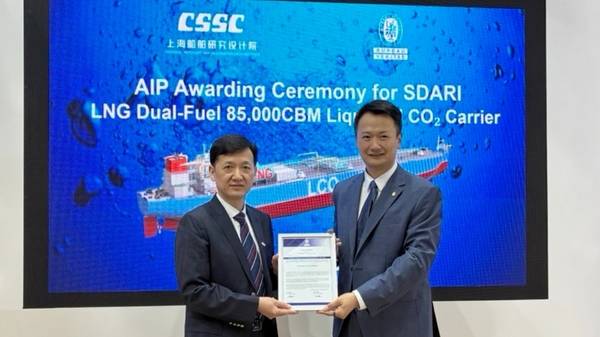
Bureau Veritas grants AiP to SDARI’s LNG dual-fuel liquefied CO₂ carrier design
Classification society approves 85,000-cbm vessel concept designed to support the growing carbon capture and storage sector. |
|
|
|
||

|
JuWonOil looking to strengthen with two Houston hires
Texas-based firm is recruiting a marine lubricants sales executive and a marine fuels and distillates trader. |
|
|
|
||
|
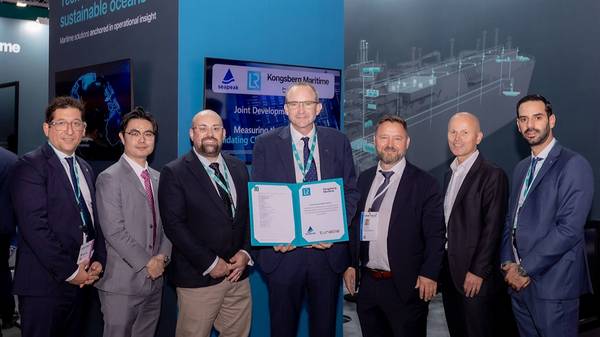
Four firms partner to trial continuous emissions monitoring on LNG carrier
LR, Seapeak, Kongsberg Maritime and Tunable will test onboard CO₂ monitoring against engine data and default emissions factors. |
|
|
|
||
|
Bunker Holding reshuffles commercial leadership across brand portfolio
Appointments announced across KPI OceanConnect, Glander International Bunkering and its digital sales operations. |
|
|
|
||
| CIMC Raffles delivers 7,000-car LNG-fuelled carrier 70 days ahead of schedule [News & Insights] |
| CIMC Raffles secures second subsea rock installation vessel order from Van Oord [News & Insights] |
| Bureau Veritas delivers first 15,000-teu methanol dual-fuel container ship for CMA CGM [News & Insights] |
| Bureau Veritas supports launch of CIMC SOE's LNG bunkering vessel [News & Insights] |
| Japan Engine completes land-based testing of landmark hydrogen-fuelled engine for large vessels [News & Insights] |
| Yang Ming names fourth LNG dual-fuel container vessel YM Weight [News & Insights] |
| Four firms partner to trial continuous emissions monitoring on LNG carrier [News & Insights] |
| GTT Energy launches new LNG fuel tank design for container ships [News & Insights] |
| TB Marine takes over technical management of methanol-ready tanker [News & Insights] |
