
 |
The International Chamber of Shipping (ICS) has called on governments to accelerate work on a global regulatory framework following further deliberations on the draft IMO Net-Zero Framework at the recent Marine Environment Protection Committee meeting, MEPC 84.
In a statement issued, ICS secretary general Thomas Kazakos said the discussions had been constructive, but added that many member states were still not in a position to adopt the framework without further changes.
Kazakos stated: “The constructive dialogue that has taken place this week is hugely welcome, although it is clear that many Member States are still unable to adopt a global regulatory framework unless further adjustments are made.”
He also noted that the shipping industry remains committed to the ambitions of the 2023 IMO GHG Strategy and has already delivered substantial greenhouse gas emissions reductions.
Kazakos added: “It is vital that governments move towards adoption of a comprehensive fit-for-purpose global framework as soon as possible to enable the industry to further accelerate its rapid transition to alternative energy sources.”
ICS welcomed the decision to hold additional negotiations in September and emphasised that it intends to contribute ideas on a possible way forward that could secure the backing required among member states.
ICS is a global trade organisation representing national shipowners’ associations and merchant fleet interests at the IMO and other international bodies.
|
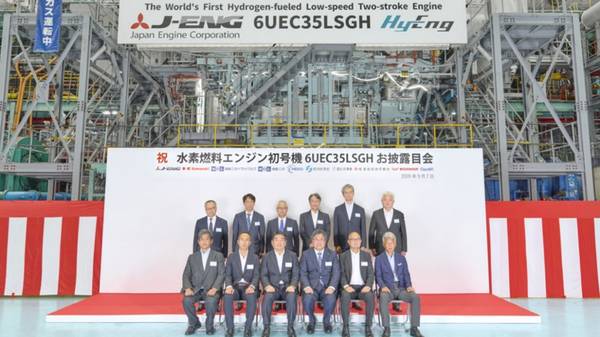
Japan Engine completes land-based testing of landmark hydrogen-fuelled engine for large vessels
Hydrogen co-firing rate of at least 95% achieved during factory testing. |
|
|
|
||
|
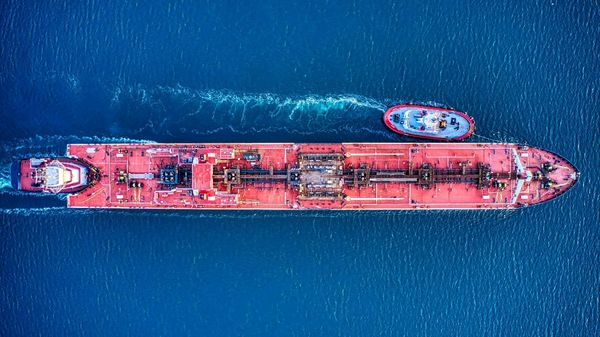
Ethanol edges into shipping’s fuel mix as methanol crossover eases adoption barriers
Rising interest from cargo owners, shared technology with methanol and Brazilian production growth push ethanol beyond regional niche status. |
|
|
|
||
|
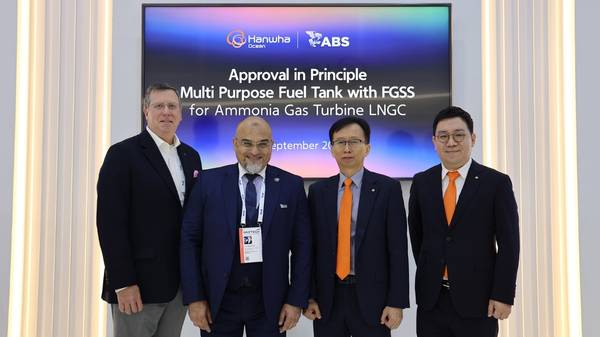
ABS grants Hanwha Ocean approval for dual-fuel tank enabling LNG-to-ammonia switch
In-principle approval awarded for fuel tank and supply system enabling LNG carriers to convert to ammonia without replacement. |
|
|
|
||
|
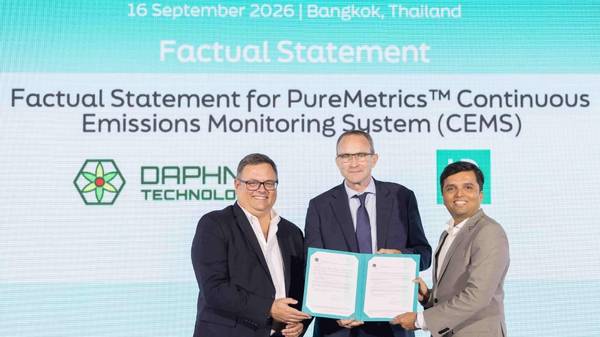
Lloyd's Register confirms suitability of Daphne Technology's emissions monitoring system
Factual Statement validates the PureMetrics design for monitoring greenhouse gas emissions from marine engines. |
|
|
|
||

|
IMO issues shipboard biofuel blend checklist developed by IBIA
Checklist for FAME-based biofuels formally incorporated into IMO document, supporting crews handling biofuel blends for the first time. |
|
|
|
||
|
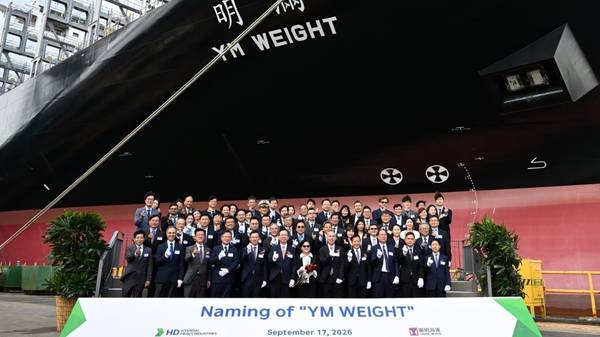
Yang Ming names fourth LNG dual-fuel container vessel YM Weight
Newbuild features high-pressure dual-fuel main engines capable of running on either LNG or low-sulphur fuel oil. |
|
|
|
||
|
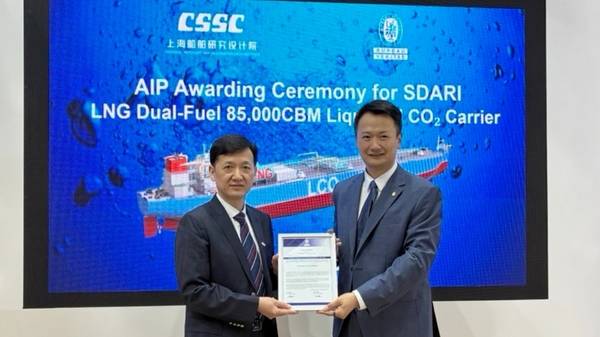
Bureau Veritas grants AiP to SDARI’s LNG dual-fuel liquefied CO₂ carrier design
Classification society approves 85,000-cbm vessel concept designed to support the growing carbon capture and storage sector. |
|
|
|
||

|
JuWonOil looking to strengthen with two Houston hires
Texas-based firm is recruiting a marine lubricants sales executive and a marine fuels and distillates trader. |
|
|
|
||
|
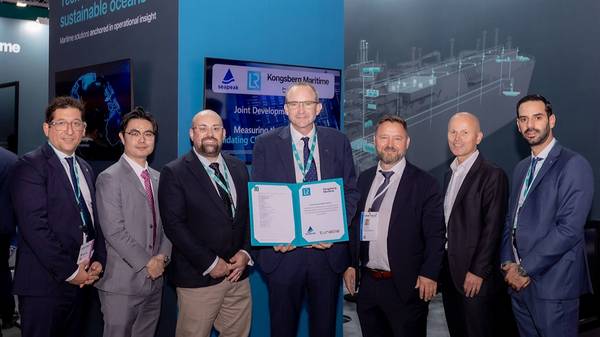
Four firms partner to trial continuous emissions monitoring on LNG carrier
LR, Seapeak, Kongsberg Maritime and Tunable will test onboard CO₂ monitoring against engine data and default emissions factors. |
|
|
|
||
|
Bunker Holding reshuffles commercial leadership across brand portfolio
Appointments announced across KPI OceanConnect, Glander International Bunkering and its digital sales operations. |
|
|
|
||
| Lloyd's Register confirms suitability of Daphne Technology's emissions monitoring system [News & Insights] |
| IMO issues shipboard biofuel blend checklist developed by IBIA [News & Insights] |
| Four firms partner to trial continuous emissions monitoring on LNG carrier [News & Insights] |
| SEA-LNG urges EU to protect mass-balance pathway for liquefied biomethane [News & Insights] |
| EmissionLink urges demand aggregation to unlock zero-emission fuel investment [News & Insights] |
