
 |
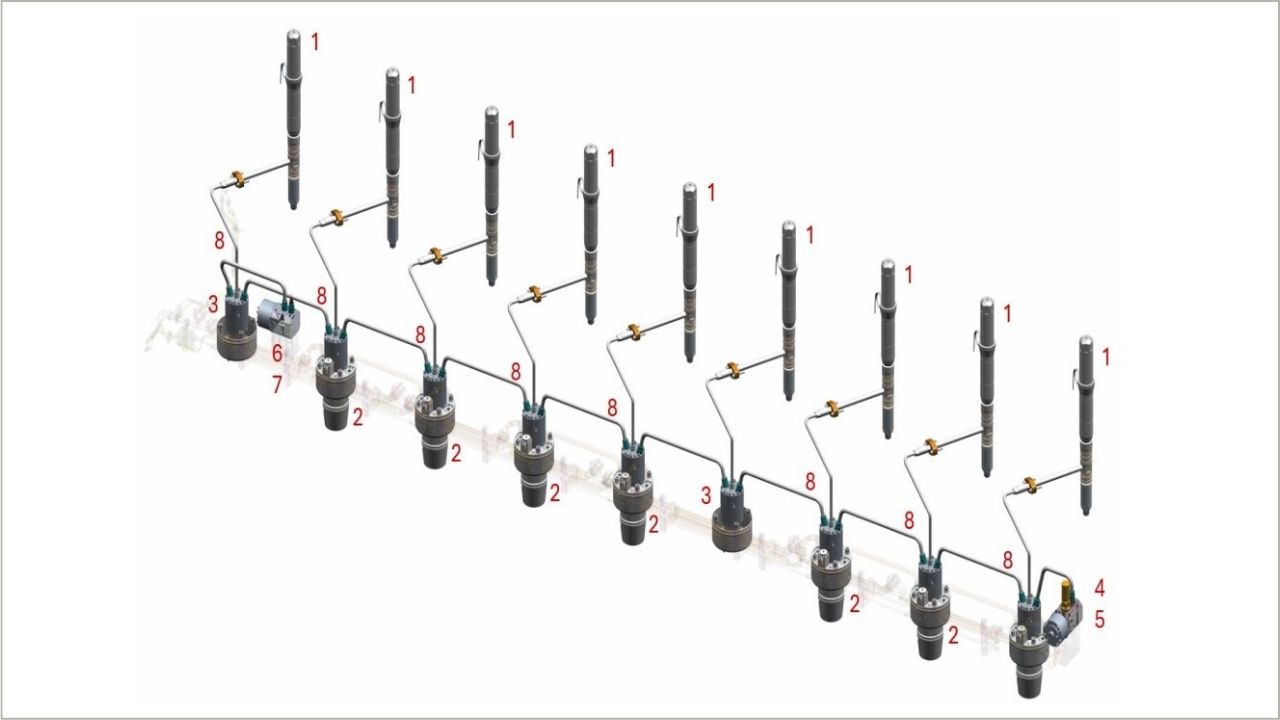
Everllence has passed a cumulative milestone of 20 million operating hours across two generations of its medium-speed common-rail fuel injection systems.
The total combines service experience from the original CR1.6 platform, first introduced in 2004, and the newer CR2.2 generation that entered the market in 2024. Together, the systems have been deployed across more than 600 engines and around 5,500 cylinders, covering a wide range of applications and fuel types.
Michael Filous, senior vice president and head of PrimeServ Germany at Everllence, said: "20 million operating hours is a notable achievement that is born from 18 years of experience in the field involving over 600 engines, 5,500 cylinders, and across a broad range of applications and fuels. We recently brought production completely in-house, a key move that has greatly simplified the technical side of things for us."
CR2.2 is now replacing the earlier CR1.6 system on newbuild Everllence engine types, providing more precise control over injection timing and pressure to improve efficiency and emissions performance.
Compared with the previous generation, the company said CR2.2 delivers up to 38% higher rail pressure across all applications, reaching 2,200 bar, alongside more than 33% longer time-between-overhaul intervals for most components. The updated design also reduces the number of high-pressure connections by 35%, lowering leakage risk and improving serviceability.
Everllence said the platform has been developed to support a wide range of fuels, including alternative options such as hydrotreated vegetable oil and fatty acid methyl ester.
The CR2.2 system was first introduced on the company’s 49/60DF engine in September 2024. Everllence added that the first prototype of its 32/44CR engine is now being prepared for initial testing using the new common-rail generation.
Ahead of wider rollout, CR2.2 injectors were trialled for more than 12,000 operating hours on a 48/60CR engine, with the company reporting strong reliability results from the field test.
|
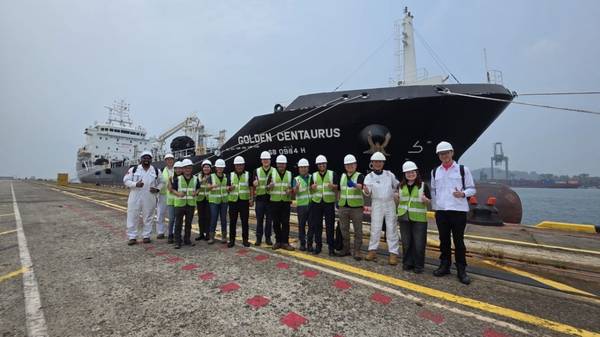
Singapore safety council inspects methanol bunker tanker Golden Centaurus
NMSSC members 'encouraged' by integration of structural and operational safety into newly commissioned IMO Type II vessel. |
|
|
|
||
|
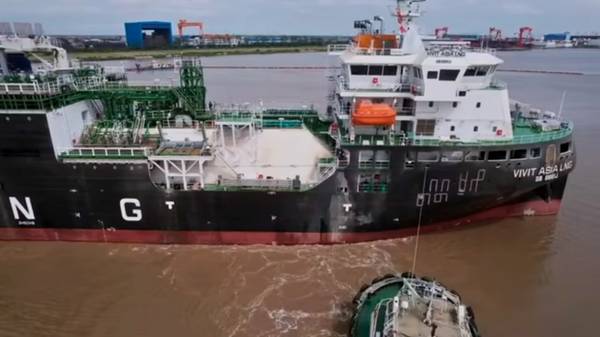
Vitol to start LNG bunkering in Asia from late 2026 after vessel sea trials
12,500-cbm Vivit Asia LNG completes trials, with regional operations due to begin later this year. |
|
|
|
||
|
PetroChina International seeks bunker sales manager to grow European marine fuels business
The state oil major’s trading arm is hiring in Rotterdam or London to expand bunker sales across the ARA region. |
|
|
|
||

|
WinGD signs global service agreement for TMS Cardiff Gas LNG carrier newbuilds
WinGD will support six dual-fuel engines on three new LNG carriers for the Athens-based operator throughout their operational lives. |
|
|
|
||
|
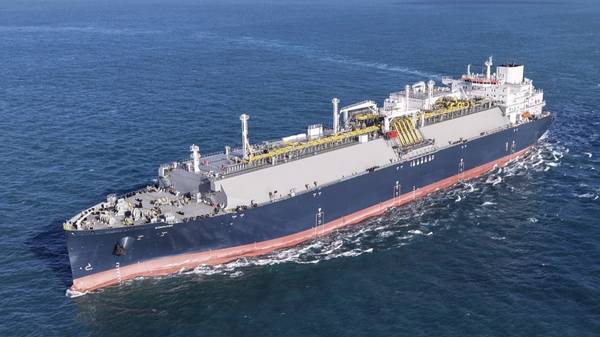
Yangzijiang Xinfu delivers first 175,000-cbm LNG carrier built by Chinese private shipyard
Vessel features two dual-fuel MAN B&W 5G70ME-C10.5-GA-EGR engines fitted with cryogenic units. |
|
|
|
||
|
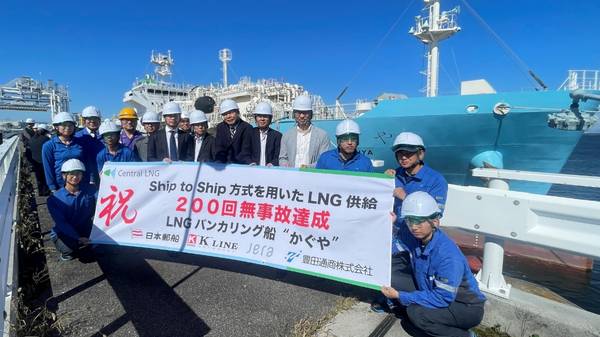
LNG bunkering vessel Kaguya completes 200th ship-to-ship operation in Japan
K Line’s joint venture vessel reaches milestone in Mikawa Bay. |
|
|
|
||
|
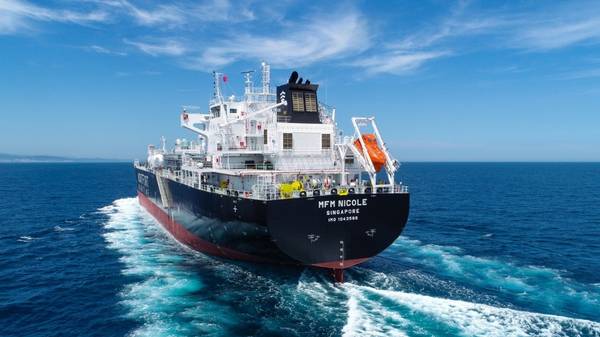
Synergy Marine adds dual-fuel LPG carrier to managed fleet
MFM Nicole joins Synergy’s gas carrier portfolio as owners weigh fuel choices ahead of MEPC 85 negotiations. |
|
|
|
||
|
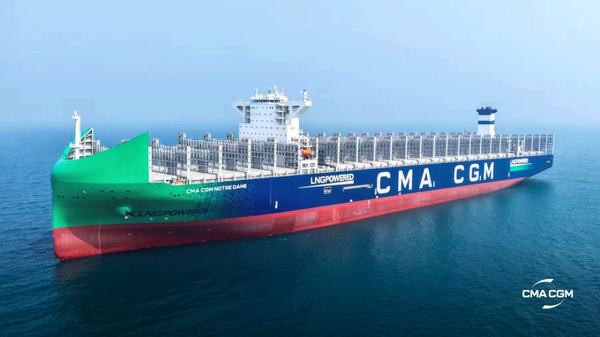
DSV to use CMA CGM’s ACT+ solution to slash shipping emissions
Danish firm targets 12,000-tonne reduction in CO₂ emissions over two years through the use of UCOME-based biofuels. |
|
|
|
||

|
Peninsula welcomes 2026 graduate cohort across global bunkering network
Bunker firm brings new graduates into roles spanning Houston, Singapore, Gibraltar, Monaco and Las Palmas. |
|
|
|
||

|
Malik Supply appoints Mathias Krogsgård as bunker trader
Danish bunker firm adds trader with export and technology background to growing team. |
|
|
|
||
| Everllence receives 2,000th dual-fuel engine order from Cosco [News & Insights] |
| Everllence confirms ethanol operation on 21/31 four-stroke engine [News & Insights] |
| Everllence's 35/44DF CD GenSet secures 138 orders in seven months [News & Insights] |
| Everllence completes world's first S90 methanol engine retrofit on Cosco ship [News & Insights] |
| WinGD signs global service agreement for TMS Cardiff Gas LNG carrier newbuilds [News & Insights] |
| LNG bunkering vessel Kaguya completes 200th ship-to-ship operation in Japan [News & Insights] |
| Peninsula completes first LNG bunkering operation at Sagunto [News & Insights] |
| TFG Marine meets 2026 target to equip 90% of bunkering fleet with mass flow meters [News & Insights] |
| Wärtsilä to supply dual-fuel engines for 12 CMA CGM container ships [News & Insights] |
