Bunker company
Monjasa has outlined how the use of
questionnaires in its procedures now forms a key part of how it works with suppliers and customers as it continues to look at ways of improving quality and compliance.
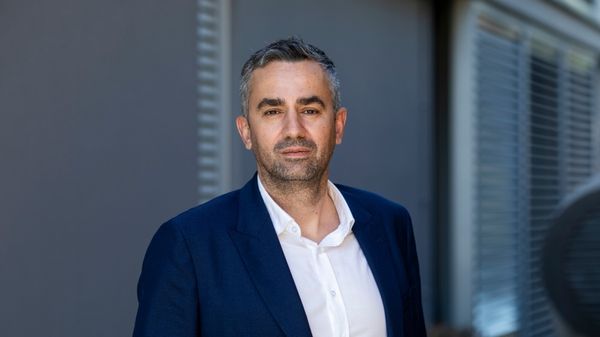
Speaking to Bunker Index, COO
Svend Stenberg Molholt explained that as around
50 percent of its bunker sales are via
physical deliveries, Monjasa is able to "take ownership of the supply chain further back" with the terminal facilities and barges it operates. The company can therefore identify where bunker fuel is sourced from and it has supply chain documentation at its disposal. However, as approximately 50 percent of its business involves
back-to-back trading, in these operations Monjasa has less direct control over sourcing and deliveries. The company has therefore implemented a system to address this issue.
As Monjasa is governed by the ISO 9001 quality management system, the bunker firm began sending out
pre-qualification questionnaires (PQQs) to suppliers and other third parties. The forms require them to outline details such as the procedures they have in place and the equipment they have on board their vessels.
"Where we are physical, we can exercise the control even more hands on, but when we are not physical, we do what we can and what's 'best possible', and what no one else is doing in the market today: issuing PQQs," Molholt noted.
Additionally, for Monjasa's key back-to-back suppliers, the firm performs audits to ensure that their quality requirements are being met.
Monjasa also has a customer satisfaction programme that involves handing out
customer satisfaction surveys to clients - both for physical supplies and back-to-back deliveries.
Molholt explained: "What we are in effect doing is, we are asking everybody involved in the process - and also the people working on other ships - was it okay, or could it be done even better?"
In terms of the feedback received from the surveys, according to Molholt, "
98.9 percent are telling us that we are doing a good job". The figure is based on
8,071 responses.
Of the
92 respondents that have come back with concerns, Molholt explained that Monjasa is then able to get in contact with these clients in order to see how they can improve their setup in the future.
Evaluating the efficacy of the programme, Molholt noted that the rolling out of the surveys had had a positive effect on how the company was being perceived by its clients.
"Engaging in those dialogues in places where they have never seen a customer satisfaction survey has just increased the trust in us. Also, we believe that it shows to everybody operating in the market that we need to raise the bar together; and I think that's good not only for Monjasa but also for the bunkering industry," Molholt concluded.