
 |
VPS has seen an increase in the levels of shale oil components in marine fuels bunkered recently in Singapore. Although we have received no reports of problems, from vessels using these fuels, we do recommend caution as detailed below.
Over the course of February and March 2026, VPS testing identified 90,000 mt of delivered VLSFO bunkers containing compounds consistent with an Estonian shale oil-derived stream. Estonian shale oil has and is, often used as a blend component in bunker fuel, but has also been known to de-stabilise fuel, producing sludges and blocking ships filters.
Estonian shale oil contains high-boiling phenolic compounds such as, resorcinol and alkyl benzenediols, which can give rise to high acid numbers, often above the ISO8217 specification limit of 2.5 KOH/g.
The recent VLSFO samples bunkered in Singapore, contained resorcinol and alkyl benzenediol concentrations between 4,000ppm-13,200ppm and elevated acid numbers ranging from 1.98KOH/g-2.34 KOH/g.
Despite these findings, no operational issues have been reported so far from vessels that are consuming these fuels.
Yet, while shale oil derived components may be incorporated into marine fuel blends permitted under ISO 8217, when present in marine fuel blends, it can still present operational challenges depending upon blend stability and composition. The presence of phenols, resorcinols, fatty acids, and related oxygenated compounds is not typical of conventionally refined marine fuels. Any observed elevated acid numbers may indicate, unusual blend components resulting in potential instability risks.
Based on our experience and industry data, resorcinol and alkyl benzenediols present within marine fuels may initially show such fuels as compliant to the ISO8217 specifications. However, over time there can be a risk of delayed operational issues, including, sludge formation, filter and purifier fouling/blockages, plus possible impacts on fuel injection equipment cleanliness and performance. Therefore, regarding the latest VLSFO fuels delivered in Singapore, the absence of issues at this stage does not preclude delayed effects, particularly with, storage stability, long-term use, or system cleanliness.
Consequently, VPS would recommend the following precautionary measures when handling such fuels:
Following these recent cases of elevated acid numbers and the presence of phenolic and oxygenated compounds, VPS has contacted each of the vessels who received these fuels. All have confirmed they have not experienced any operational issues to date, when burning the fuel.
However, based on both VPS experience and industry findings, these fuels require close operational monitoring and cautious handling, particularly with respect to fuel stability and cleanliness of the fuel treatment system.
VPS will continue to monitor the situation and provide updates as further operational feedback becomes available.
By Stanley George, VPS Group Technical & Science Manager, and Steve Bee, VPS Group Marketing & Strategic Projects Director.
|
Wind-assisted propulsion 'no longer just a concept', ICS panel says
Shipowners weigh wind power as a practical, low-risk route towards decarbonisation targets. |
|
|
|
||
|
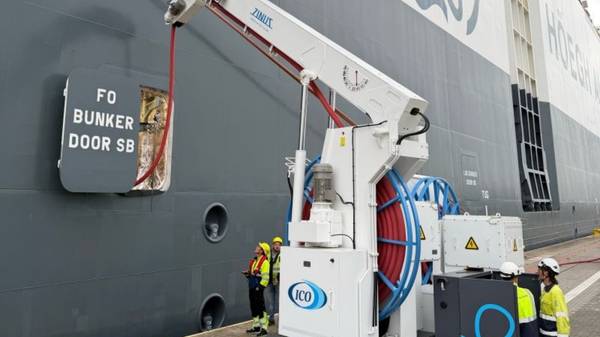
Höegh Autoliners vessel connects to shore power for the first time in Europe
Höegh Starlight used 11 kV shore power in Zeebrugge, allowing it to switch off its auxiliary engines while alongside. |
|
|
|
||
|
Chinese shipbuilder ROC signs deal for up to eight methanol-ready CSOVs
Contract signed with European shipowner for vessels designed for offshore wind farm maintenance work. |
|
|
|
||
|
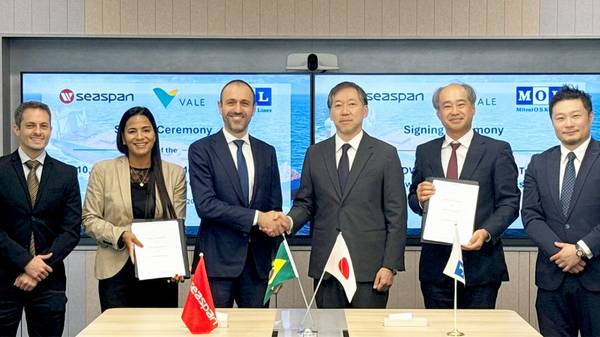
MOL and Vale sign 25-year deal for tri-fuel ore carriers
New vessels will be able to run on ethanol, methanol or heavy fuel oil, offering fuel flexibility. |
|
|
|
||

|
ScanOcean appoints Lars Malmbratt as senior commercial manager
Swedish firm strengthens commercial team with experienced industry executive based in Gothenburg. |
|
|
|
||
|
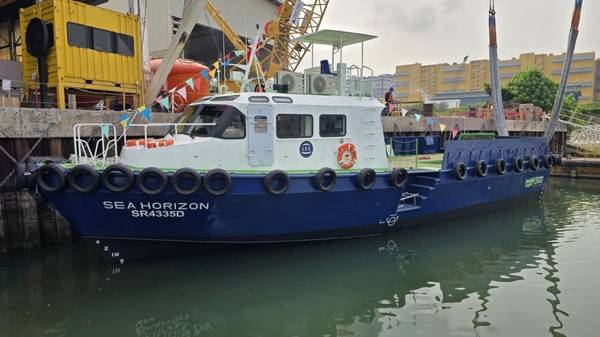
Pinnacle Marine launches second B100-compatible harbour craft for Les Star
Sea Horizon joins Singapore’s harbour craft fleet. |
|
|
|
||
|
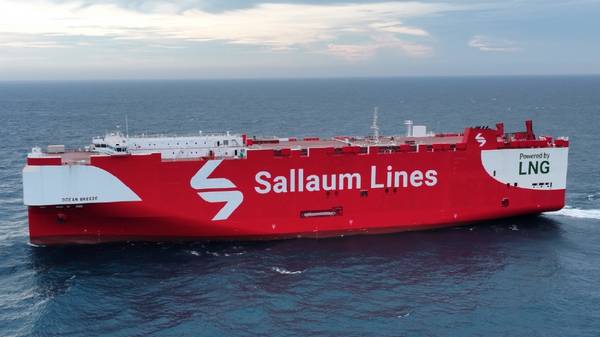
Sallaum Lines orders LNG-fuelled, ammonia-ready PCTCs from Chinese yards
Operator signs shipbuilding agreements for new generation of 8,600-CEU vessels, taking its newbuild investment past $1bn. |
|
|
|
||
|
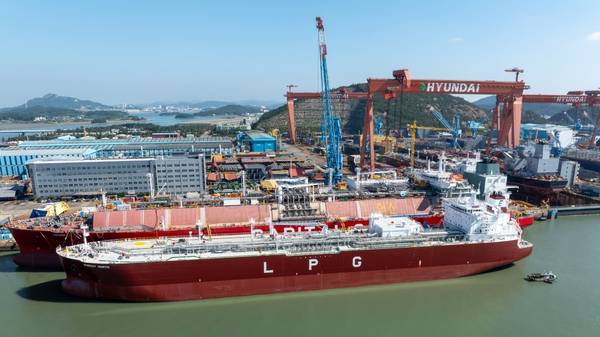
Nakilat takes delivery of dual-fuel carrier in South Korea
Ammonia-ready design positions vessel to play key role in future low-carbon energy supply chains, says Qatari firm. |
|
|
|
||
|
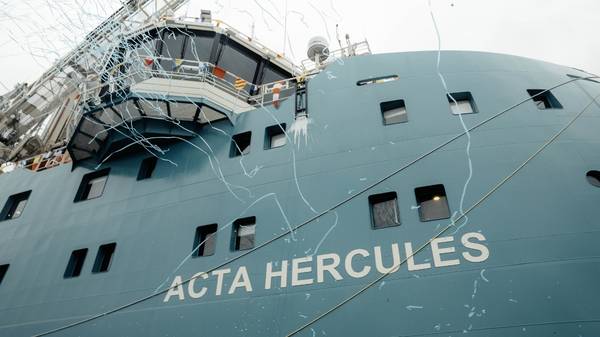
Acta Marine christens methanol dual-fuel vessel Acta Hercules in IJmuiden
Dutch operator marks the christening of its second newbuild CSOV. |
|
|
|
||
|
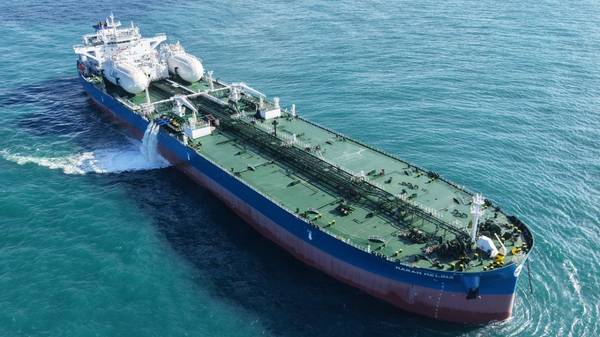
Angelicoussis Group takes delivery of fifth dual-fuel Suezmax tanker
Maran Tankers Management adds the 155,500-DWT Maran Melina to its fleet. |
|
|
|
||
| VPS to run marine fuel management course in Singapore [News & Insights] |
| VPS advertises for bunker surveyor role in Singapore [News & Insights] |
| VPS to host Hamburg seminar on fuel quality and decarbonisation [News & Insights] |
| VPS to host Dutch seminar on marine fuel quality, lubricants and decarbonisation [News & Insights] |
| Perfect storm at sea: High bunker prices meet declining fuel quality | Steve Bee, VPS [News & Insights] |
