
|
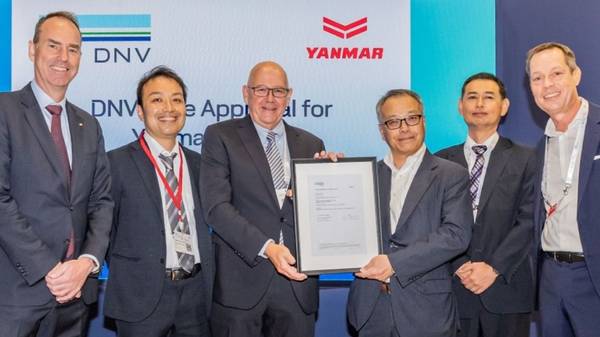
Yanmar Maritime receives DNV type approval for hydrogen fuel cell system at SMM
The GH-FC series certification is aimed at easing adoption of hydrogen propulsion across vessel types. |
|
|
|
||

|
Flex Commodities appoints senior marine fuels trader in Singapore
Euwyn Tan joins Flex Commodities FZCO to strengthen its marine fuels trading operations in Asia. |
|
|
|
||
|
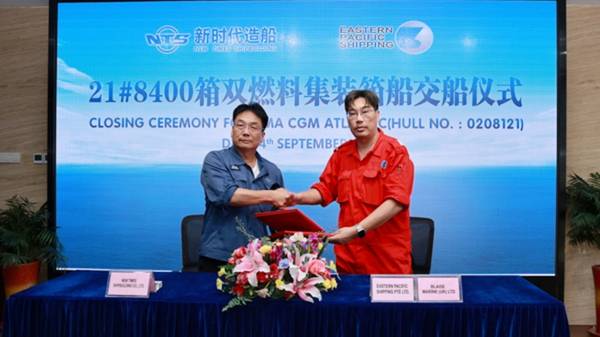
LNG dual-fuel boxship handed over to Eastern Pacific Shipping
Closing ceremony held in Jingjiang for 8,400-TEU container vessel. |
|
|
|
||
|
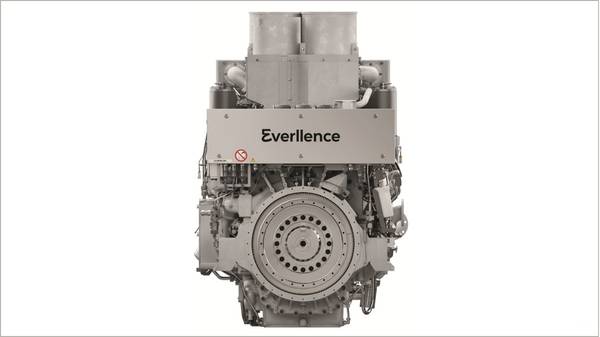
Everllence and Damen sign framework agreement for serial supply of 175D engines
Agreement covers high-speed engine supply for Damen’s fuel-flexible tug programme and beyond. |
|
|
|
||
|
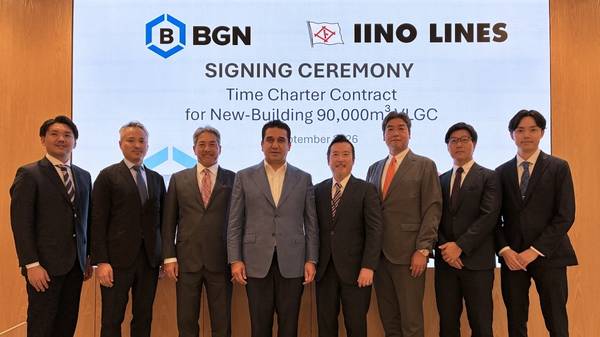
IINO Lines signs time charter deal with BGN for LPG dual-fuel VLGC
Japanese shipowner’s fourth LPG dual-fuel vessel will offer rare dual-canal Panama Canal transit capability. |
|
|
|
||
|
TotalEnergies Lubmarine launches fuel-economy lubricant for four-stroke medium-speed marine engines
Aurelia FE claims fuel savings of 1.5% on a standardised test cycle, with no vessel modifications required. |
|
|
|
||
|
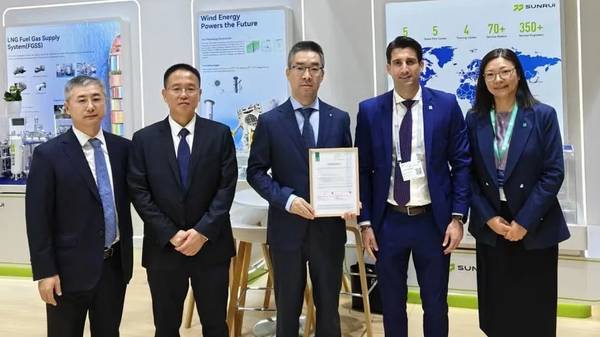
LR validates CFD analysis for SunRui suction sail technology
Independent verification confirms aerodynamic modelling meets recognised industry standards for wind-assisted propulsion. |
|
|
|
||
|
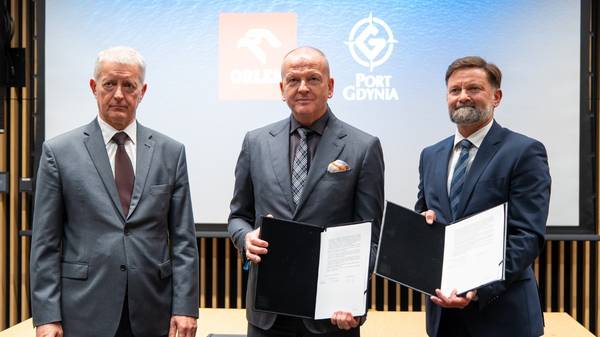
Orlen and Port of Gdynia partner to explore LNG and bio-LNG bunkering options
Agreement signed to assess LNG and bio-LNG bunkering potential along the Polish coast. |
|
|
|
||

|
North Sea Trading appoints head of renewable fuels and signs India green methanol MoU
Industry veteran Robert Preston joins Bournemouth-based bunker trading firm. |
|
|
|
||
|
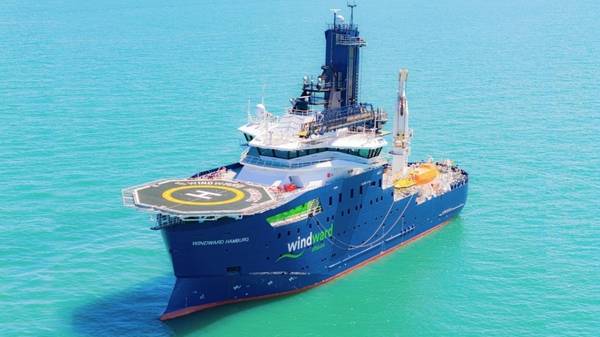
VARD delivers final CSOV to Windward Offshore, completing series
Methanol-ready Windward Hamburg joins the fleet as VARD completes delivery of four purpose-built CSOVs. |
|
|
|
||
| World's first AIP for LNG-fuelled VLCC design [News & Insights] |
| World's first LNG dual-fuelled handysize bulk carrier contract [News & Insights] |
| Clean Energy bunkered world's first LNG-powered containership [News & Insights] |
| Delivery of world's first LNG-powered containership [News & Insights] |
| 'First' major conversion of a large ro-ro vessel to LNG [News & Insights] |
| Osaka Gas completes first ship-to-ship LNG bunkering in Osaka Bay [News & Insights] |
| Marflet Marine becomes first Spanish merchant fleet owner to operate wind-assisted suction sails [News & Insights] |
| Maersk and Anemoi to fit rotor sail on container ship in industry first [News & Insights] |
| World’s first battery-powered self-unloading bulk carrier enters service in Australia [News & Insights] |
| AYK Energy to unveil swappable containerised marine battery system at SMM Hamburg [News & Insights] |

