
 |
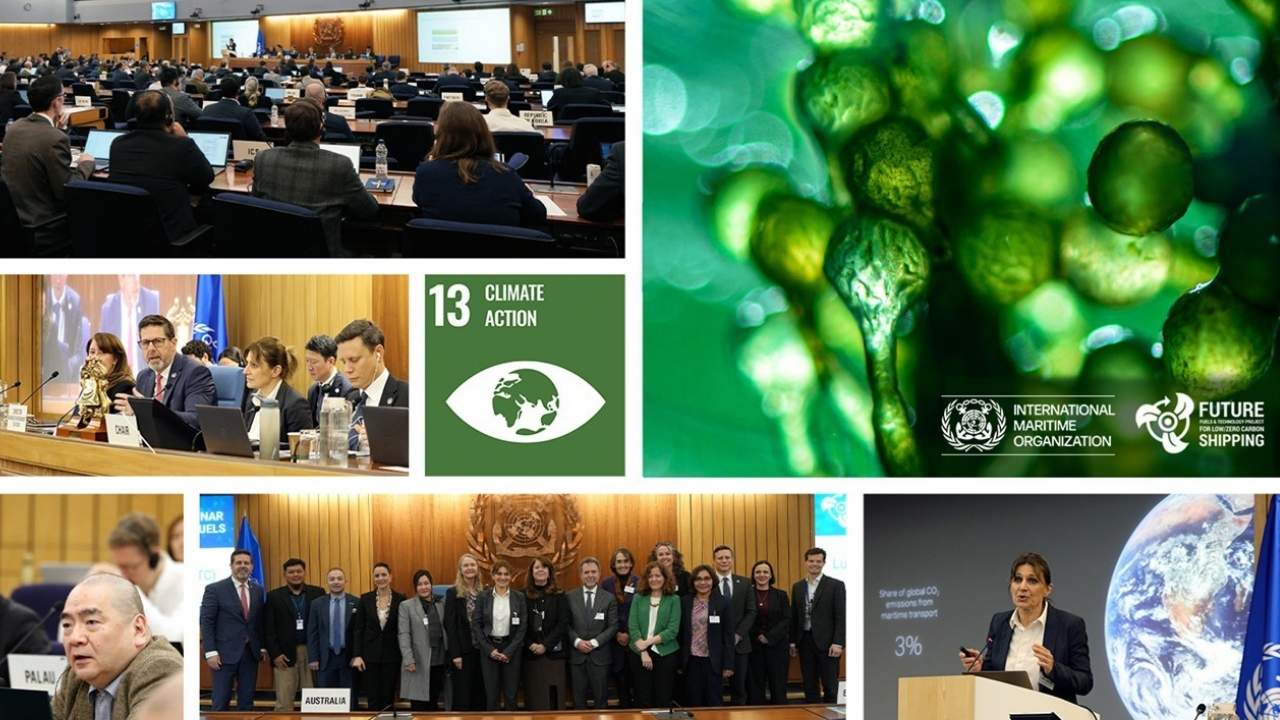
The International Maritime Organization (IMO) hosted a technical seminar at its London headquarters on 12 February to examine the use of biofuels in maritime decarbonisation, attracting around 700 in-person and virtual participants and more than 1,300 online viewers.
The seminar was organised under the IMO Future Fuels and Technology Project, a partnership between the Government of the Republic of Korea and IMO. The initiative aims to share information on alternative fuels and emerging technologies to support policymakers in reducing greenhouse gas GHG emissions from shipping.
The event was purely informative rather than policy-focused, with participants attending from IMO member states, industry, academia and international organisations.
Sessions were moderated by Dr Roberta Cenni, head of biofuels at the Maersk Mc-Kinney Møller Center for Zero Carbon Shipping, and focused on three main areas: the current state of biofuel use in shipping, production and certification pathways and market dynamics, and onboard operational experience.
Speakers addressed both the potential and the challenges of biofuels in maritime decarbonisation, including sustainability considerations, supply dynamics, engine compatibility, and onboard safety. Case studies of biofuel use were presented from Brazil, Indonesia, Türkiye, and the United States.
Closing the event, David Osborn, director of IMO’s Marine Environment Division, said further technical seminars are planned. Feedback collected after the seminar identified ammonia, LNG, and methanol as the main focus areas for future events.
The event marked the project’s third technical seminar, building on earlier sessions focused on onboard carbon capture and the broader energy transition in shipping.
|
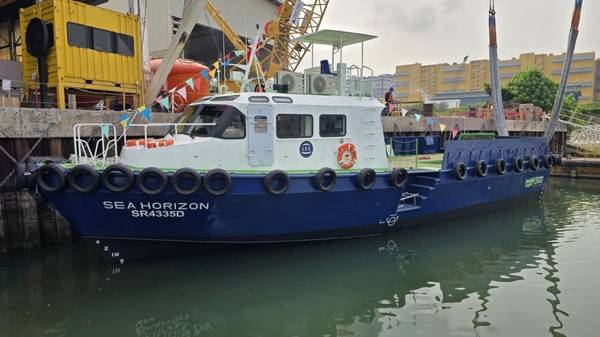
Pinnacle Marine launches second B100-compatible harbour craft for Les Star
Sea Horizon joins Singapore’s harbour craft fleet. |
|
|
|
||
|
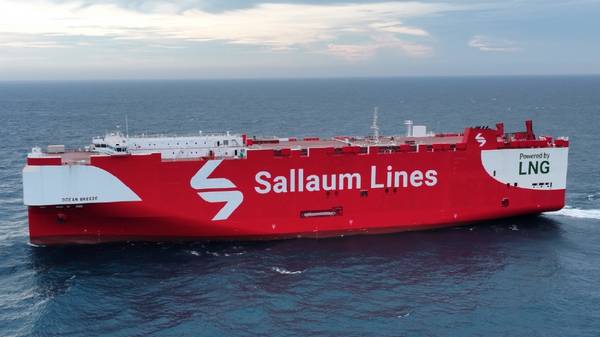
Sallaum Lines orders LNG-fuelled, ammonia-ready PCTCs from Chinese yards
Operator signs shipbuilding agreements for new generation of 8,600-CEU vessels, taking its newbuild investment past $1bn. |
|
|
|
||
|
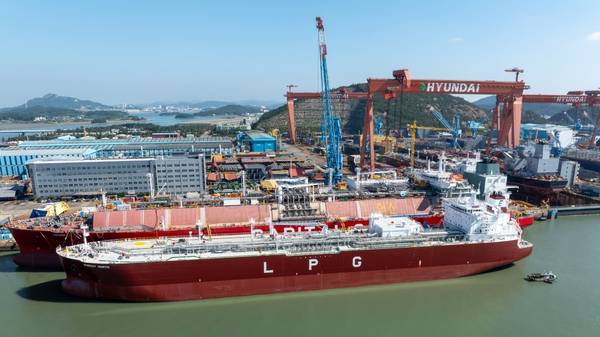
Nakilat takes delivery of dual-fuel carrier in South Korea
Ammonia-ready design positions vessel to play key role in future low-carbon energy supply chains, says Qatari firm. |
|
|
|
||
|
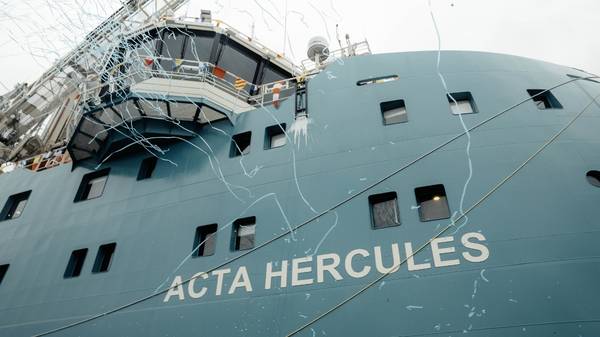
Acta Marine christens methanol dual-fuel vessel Acta Hercules in IJmuiden
Dutch operator marks the christening of its second newbuild CSOV. |
|
|
|
||
|
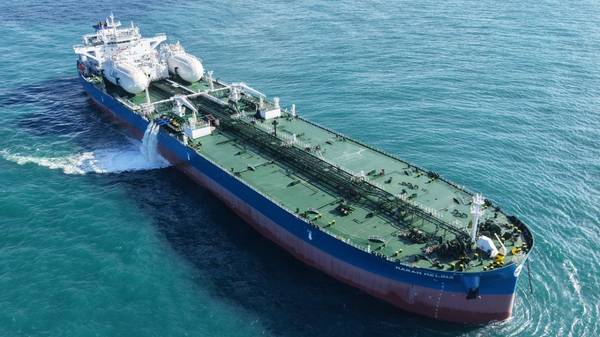
Angelicoussis Group takes delivery of fifth dual-fuel Suezmax tanker
Maran Tankers Management adds the 155,500-DWT Maran Melina to its fleet. |
|
|
|
||
|
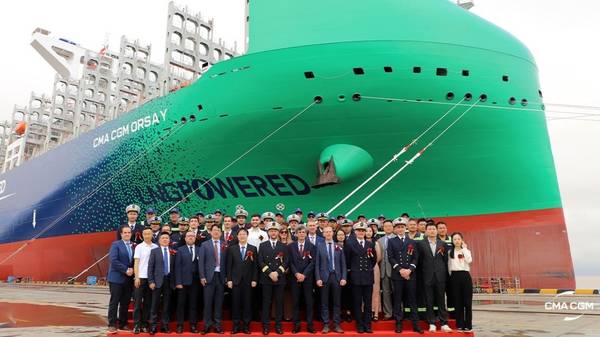
CMA CGM takes delivery of LNG-powered Orsay for Asia-Europe trade
24,212-TEU vessel joins 10-ship series, adding capacity to the carrier's FAL3 route. |
|
|
|
||
|
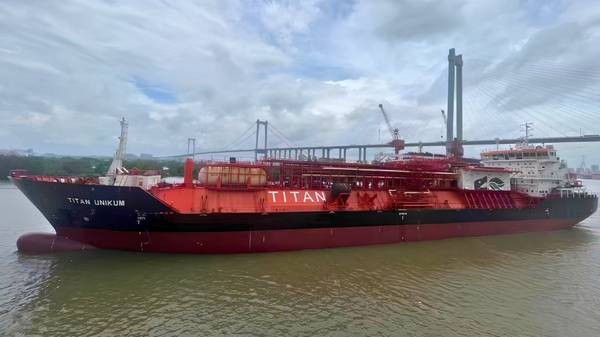
Titan Clean Fuels completes 15-year survey on LNG bunkering vessel Titan Unikum
Multi-gas carrier has undergone dry-docking work at a Chinese yard, preparing it for future upgrades. |
|
|
|
||
|
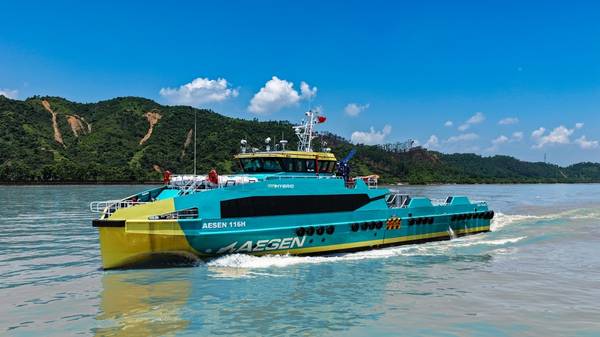
Lehmann Marine’s CUBE battery system debuts in China aboard hybrid crew boat
German battery maker’s first Chinese installation targets fuel savings on a Cheoy Lee-built vessel for a Singapore operator. |
|
|
|
||
|
Iino Lines secures transition loan from Mizuho Bank for LPG dual-fuel VLGC
Japanese shipowner finances the acquisition of Lumi Aurora through a green transition finance framework aligned with ICMA guidelines. |
|
|
|
||
|
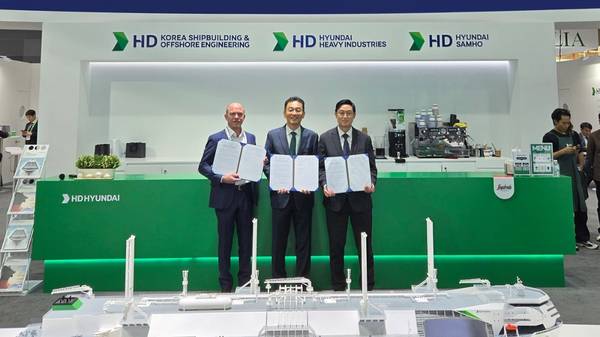
ABS, HD KSOE and Siemens partner on digital twin technology for ammonia-fuelled ship safety
Three firms will combine CFD analysis and digital twin technology to assess ammonia leak scenarios in vessel design. |
|
|
|
||
| IMO committee agrees NOx certification rules for ammonia and hydrogen engines [News & Insights] |
| IMO members urged to back mandatory Arctic fuel standards to cut black carbon emissions [News & Insights] |
| IMO to host technical seminar on marine biofuels in February [News & Insights] |
| Electric and hybrid ferries could cut Sea of Marmara emissions by 63%, IMO study finds [News & Insights] |
| Maersk completes first US ethanol bunkering of a deep-sea container ship [News & Insights] |
| NYK shares two years of ammonia-fuelled tugboat data with IMO [News & Insights] |
| IMO and EMSA gather maritime experts to address seafarer training for alternative fuels [News & Insights] |
| IMO seminar examines technical hurdles facing ammonia as a marine fuel [News & Insights] |
