
 |
Stream Marine Training (SMT) has warned that seafarer guidance must keep pace with the growing adoption of future fuels as the maritime industry works towards the International Maritime Organization’s 2050 emissions targets.
The learning provider highlighted a regulatory gap, noting that while frameworks for future fuels are developing, the STCW Convention does not yet mandate specific instruction for methanol, ammonia or hydrogen.
While LNG remains the main alternative fuel in operation today, industry attention is increasingly shifting towards methanol, ammonia and hydrogen as longer-term decarbonisation options. Recent DNV figures show alternative-fuelled newbuilds now account for 11% of global orders, with LNG still leading and methanol gaining momentum.
Methanol is also leading current retrofit activity. Five container ships have already been converted, with a further 28 orders in place. Ammonia remains at an earlier stage, with uptake currently limited to a small number of offshore support vessels and tugs as pilot projects begin to emerge.
SMT noted that methanol’s growth in retrofits reflects a more practical conversion pathway, requiring less complex engine, fuel-system and storage modifications than ammonia or hydrogen. Its bunkering network is also developing more quickly, with 19 methanol bunker vessels currently in operation and 13 more on order.
Martin White, chief executive of Stream Marine Training, said: “Future fuels are moving closer to operational reality, and training must keep pace. As new technologies are introduced, it is essential that seafarers have the understanding and confidence required to operate with these fuels safely and effectively on board.”
To support the sector during this transition, SMT offers familiarisation courses designed to provide the core information and operational fundamentals needed to strengthen and reinforce the IGF Code knowledge required for safe operations involving new fuel technologies.
Stream Marine Training is part of SMG, which also includes Stream Marine Technical and Stream Marine Careers. It delivers training and consultancy services to the maritime sector, including oil and gas, renewable energy, offshore construction and cruise lines.
|
Wind-assisted propulsion 'no longer just a concept', ICS panel says
Shipowners weigh wind power as a practical, low-risk route towards decarbonisation targets. |
|
|
|
||
|
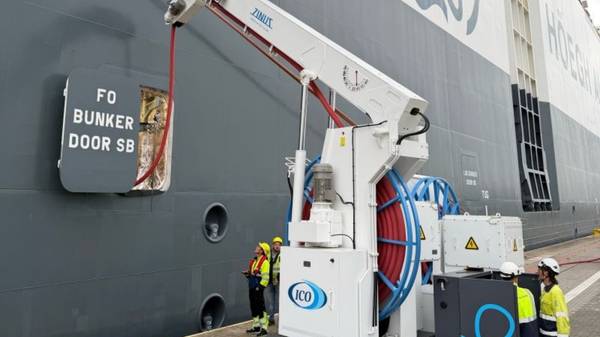
Höegh Autoliners vessel connects to shore power for the first time in Europe
Höegh Starlight used 11 kV shore power in Zeebrugge, allowing it to switch off its auxiliary engines while alongside. |
|
|
|
||
|
Chinese shipbuilder ROC signs deal for up to eight methanol-ready CSOVs
Contract signed with European shipowner for vessels designed for offshore wind farm maintenance work. |
|
|
|
||
|
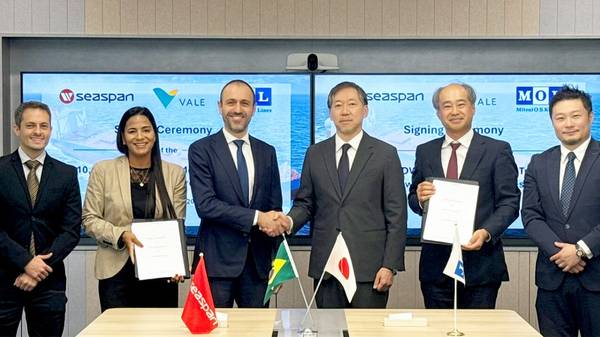
MOL and Vale sign 25-year deal for tri-fuel ore carriers
New vessels will be able to run on ethanol, methanol or heavy fuel oil, offering fuel flexibility. |
|
|
|
||
|
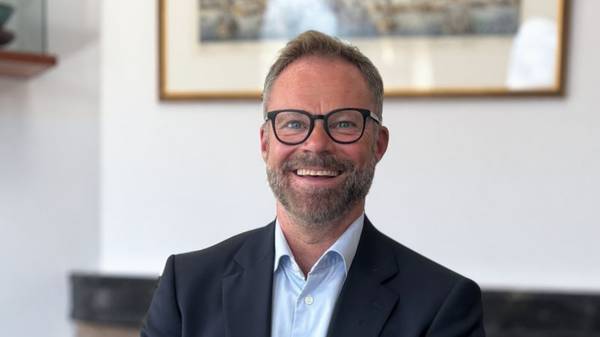
ScanOcean appoints Lars Malmbratt as senior commercial manager
Swedish firm strengthens commercial team with experienced industry executive based in Gothenburg. |
|
|
|
||
|
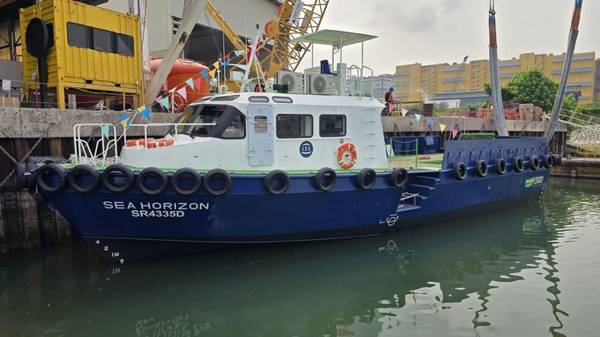
Pinnacle Marine launches second B100-compatible harbour craft for Les Star
Sea Horizon joins Singapore’s harbour craft fleet. |
|
|
|
||
|
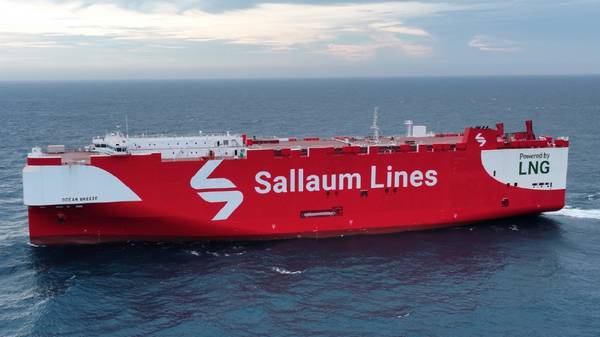
Sallaum Lines orders LNG-fuelled, ammonia-ready PCTCs from Chinese yards
Operator signs shipbuilding agreements for new generation of 8,600-CEU vessels, taking its newbuild investment past $1bn. |
|
|
|
||
|
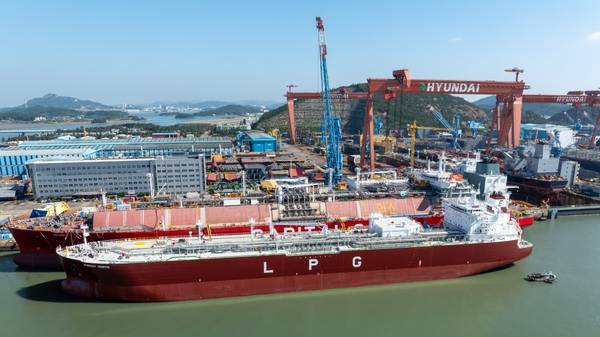
Nakilat takes delivery of dual-fuel carrier in South Korea
Ammonia-ready design positions vessel to play key role in future low-carbon energy supply chains, says Qatari firm. |
|
|
|
||
|
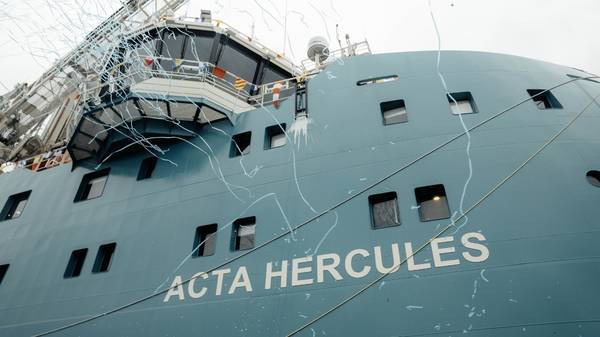
Acta Marine christens methanol dual-fuel vessel Acta Hercules in IJmuiden
Dutch operator marks the christening of its second newbuild CSOV. |
|
|
|
||
|
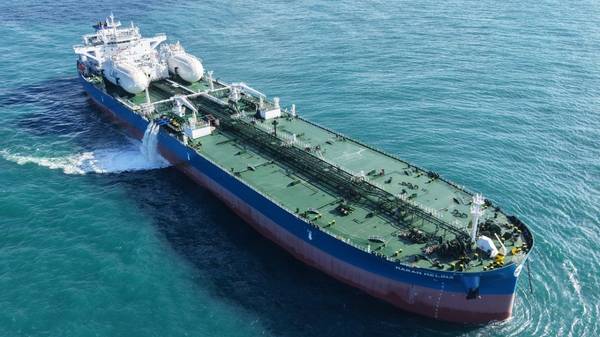
Angelicoussis Group takes delivery of fifth dual-fuel Suezmax tanker
Maran Tankers Management adds the 155,500-DWT Maran Melina to its fleet. |
|
|
|
||
| SEA-LNG urges EU to protect mass-balance pathway for liquefied biomethane [News & Insights] |
| EmissionLink urges demand aggregation to unlock zero-emission fuel investment [News & Insights] |
| Nuclear-powered commercial shipping moves closer to reality after Washington summit [News & Insights] |
| DNV report warns regulatory uncertainty complicates fleet investment decisions [News & Insights] |
| Clean Arctic Alliance warns of black carbon threat as container ships eye Northern Sea Route [News & Insights] |
