Finnish shipping company
Bore Ltd. has today announced that it will install
ClassNK-NAPA GREEN ship efficiency software aboard the 13,625dwt highly efficient ro-ro vessel
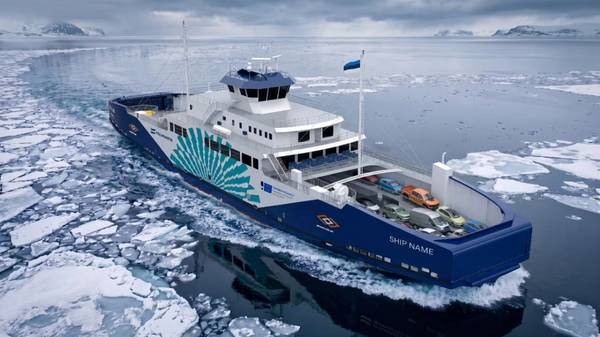
M/V Bore Song [pictured]. The announcement follows on from sea trials last year aboard sister ship
M/V Bore Sea, which demonstrated that NAPA operational software had led to a 5.8% reduction in fuel consumption.
The ClassNK-NAPA GREEN software system is a joint development project between
Nippon Kaiji Kyokai (ClassNK) and
NAPA, a leading software house for ship design and operations.
This collaborative software solution for vessel efficiency, launched in 2012, builds upon the shared expertise of both organisations to provide an optimal approach to reducing fuel spend and greenhouse gas emissions whilst also providing compliance with ship energy efficiency management plan (SEEMP) legislation.
Bore has been working closely with NAPA around operational software for vessels for some time. With sea trials last year showing the environmental and financial value of having operational efficiency software, Bore says it has chosen the enhanced capabilities and feedback systems offered by ClassNK-NAPA GREEN for M/V Bore Song with the goal of achieving even greater savings.
Jorgen Mansnerus, Vice President, Marine Management, Bore Ltd. commented: "Last year’s sea trial of operational software was a significant factor in our decision to choose ClassNK-NAPA GREEN. We are confident that this software is a wise investment that will begin to offer fuel savings aboard this vessel from installation, and proud that we are able to offer this efficiency and lowered fuel spend to the charterers who will be reaping the benefits."
Yasushi Nakamura, Executive Vice President, ClassNK remarked: "It is heartening to see the industry embracing the financial and environmental benefits that software systems such as ClassNK-NAPA GREEN offer. As the world’s leading classification society we are aware of the increasing challenges being placed on shipping financially, environmentally and through increased regulation. We set out with NAPA to combine their long experience in providing software for shipping and unrivalled hydrodynamics expertise with ClassNK’s industry knowledge and customer service excellence to provide a comprehensive and advanced system to help meet these challenges. With two orders on our books we are confident this is an approach that will continue to prove its worth."
Juha Heikinheimo, President, NAPA Group said: "We have an excellent history of cooperation with both ClassNK and Bore and are delighted that this project has brought together all three companies to their mutual benefit. Bore challenged us last year to prove the value of our operational efficiency software and we believe their choice to install further, more advanced software in the form of ClassNK-NAPA GREEN to a second vessel is a step that speaks for itself in terms of the value they have seen these systems offer. We look forward to the continuing cooperation and to seeing the commercial savings offered by ClassNK-NAPA GREEN."
This second order for ClassNK-NAPA GREEN follows the announcement last month of the installation of the system onto a new container vessel ordered by
Wan Hai Lines Ltd. The system is also currently undergoing sea trials aboard vessels owned by the third partner company in the ClassNK-NAPA GREEN project, Japan’s largest shipbuilder
Imabari Shipbuilding Co. Ltd.