
 |
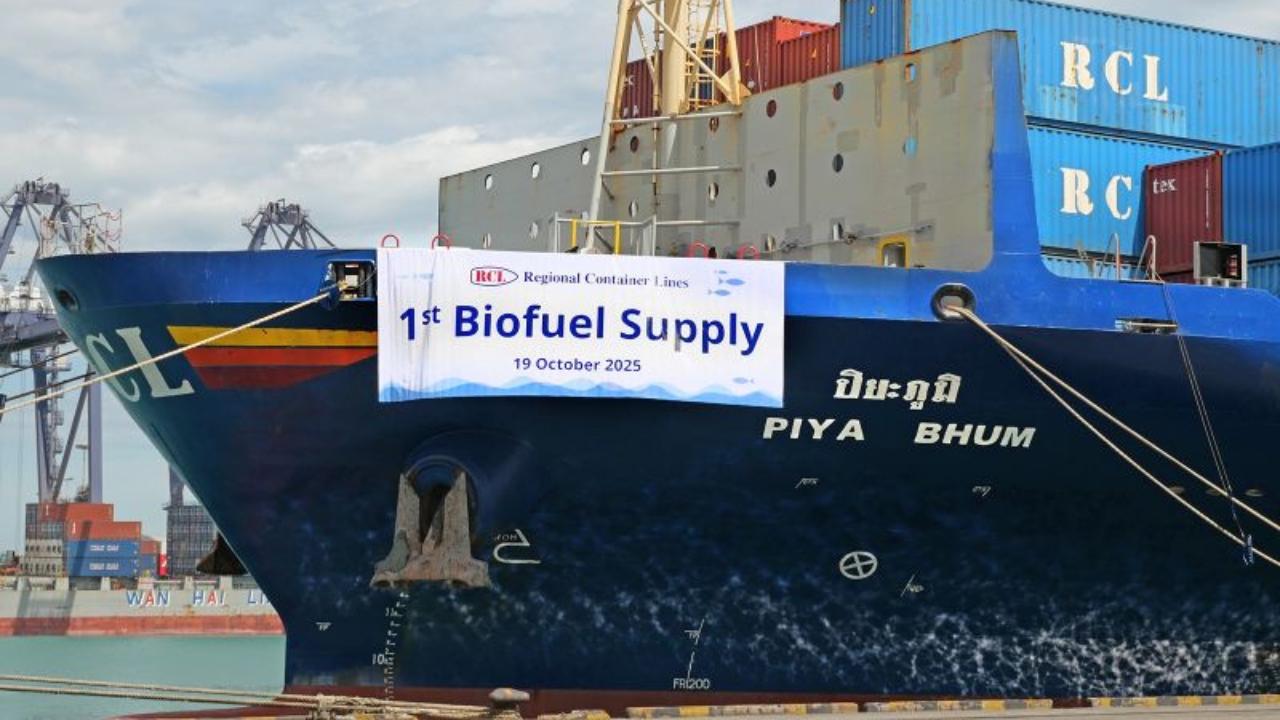
Regional Container Lines Public Company Limited (RCL) reports that it has completed its first voyage using biofuel, marking the firm's entry into alternative marine fuel operations.
The Thai shipping company said its vessel, M.V. Piya Bhum, departed Laem Chabang port on October 19 bound for Ho Chi Minh City, running on B24-VLSFO — a blend of very-low-sulphur fuel oil (VLSFO) with a 24% ratio of biofuel.
The 1,707 TEU capacity containership operates on RCL's RSK2 service route, which connects ports across China, Hong Kong, Cambodia, Thailand, Vietnam, and the Philippines.
According to RCL, the B24 fuel blend is expected to reduce carbon emissions by 15% to 19.2% compared to conventional marine fuel.
"The use of this biofuel reduces the carbon footprint of the RCL fleet without compromising efficiency, contributing to the company's long-term sustainability goals. By continuously investing in a cleaner, more efficient fleet, RCL is building a more sustainable future for marine container shipping," RCL commented.
Founded in 1979 and headquartered in Bangkok, RCL's core business is in the transportation of containers within Asia. In May 2025, the firm said that it owned and operated a fleet of 45 vessels with sizes ranging between 388 TEUs and 11,714 TEUs.
|
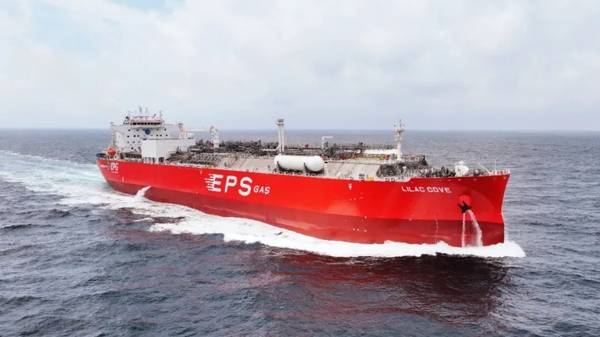
Jiangnan delivers second LPG dual-fuel VLAC in series to Singapore’s EPS
Lilac Cove, the world’s largest liquid ammonia carrier, joins Ivy Cove as Jiangnan advances its six-ship VLAC programme. |
|
|
|
||
|
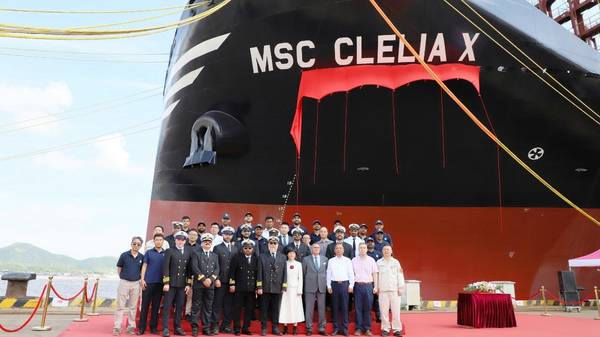
MSC LNG dual-fuel container ship delivered almost a year early
Chinese shipbuilder hands over sixth 10,300-TEU vessel in series to MSC ahead of contract schedule. |
|
|
|
||
|
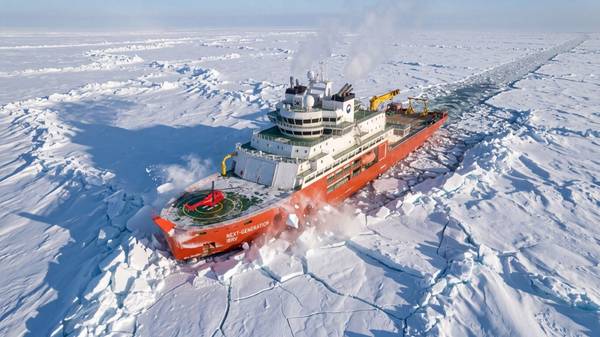
Steel cutting marks start of construction on dual-fuel icebreaking research vessel
Hanwha Ocean begins building a dual-fuel LNG/MGO icebreaker for the Republic of Korea’s Ministry of Oceans and Fisheries, due for delivery in 2030. |
|
|
|
||
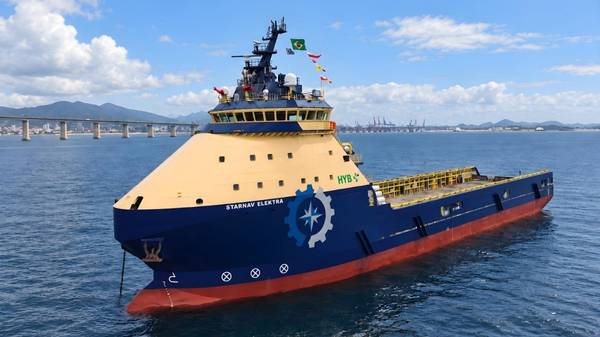
|
Petrobras christens first vessel under Mar Aberto fleet renewal programme
Platform supply vessel Starnav Elektra, built in Santa Catarina with an all-female crew, marks the first delivery under the fleet initiative. |
|
|
|
||
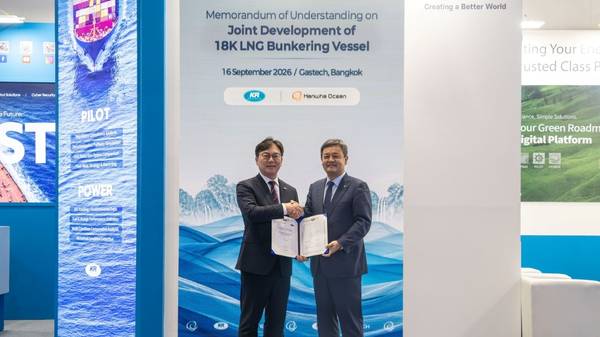
|
KR and Hanwha Ocean agree to develop 18,000-cbm LNG bunkering vessel designs
Pair will jointly explore two design concepts for a new LNG bunkering vessel. |
|
|
|
||
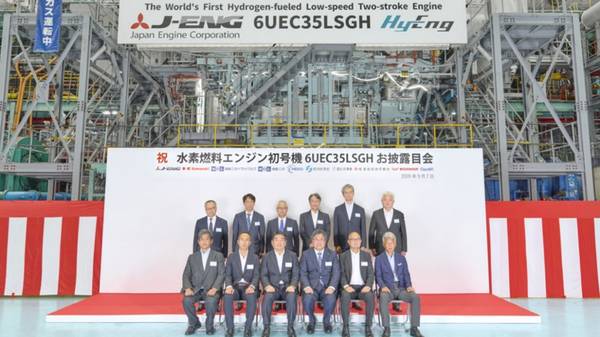
|
Japan Engine completes land-based testing of landmark hydrogen-fuelled engine for large vessels
Hydrogen co-firing rate of at least 95% achieved during factory testing. |
|
|
|
||
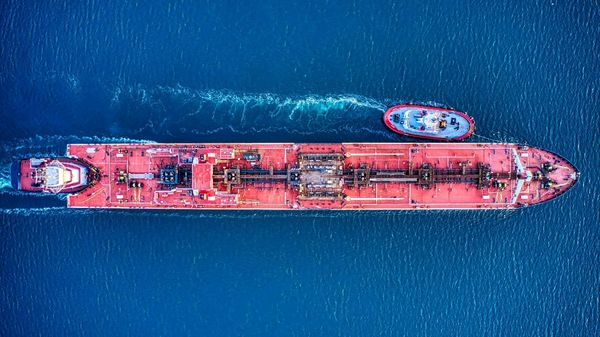
|
Ethanol edges into shipping’s fuel mix as methanol crossover eases adoption barriers
Rising interest from cargo owners, shared technology with methanol and Brazilian production growth push ethanol beyond regional niche status. |
|
|
|
||
|
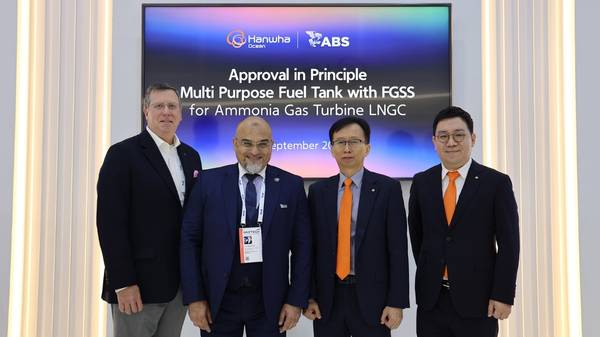
ABS grants Hanwha Ocean approval for dual-fuel tank enabling LNG-to-ammonia switch
In-principle approval awarded for fuel tank and supply system enabling LNG carriers to convert to ammonia without replacement. |
|
|
|
||
|
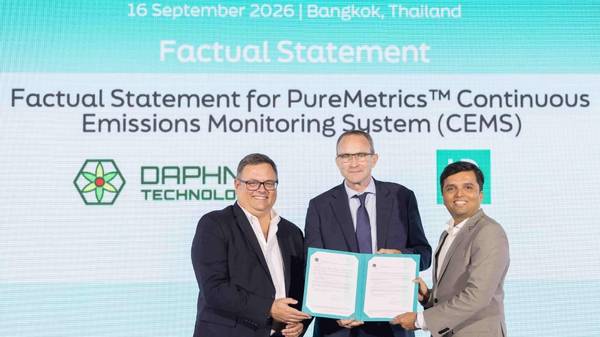
Lloyd's Register confirms suitability of Daphne Technology's emissions monitoring system
Factual Statement validates the PureMetrics design for monitoring greenhouse gas emissions from marine engines. |
|
|
|
||

|
IMO issues shipboard biofuel blend checklist developed by IBIA
Checklist for FAME-based biofuels formally incorporated into IMO document, supporting crews handling biofuel blends for the first time. |
|
|
|
||
| MOL capesize bulker begins first biofuel voyage for Anglo American [News & Insights] |
| NYK Line completes six-month biofuel trial with 'no technical issues' [News & Insights] |
| NYK trials biofuel in milestone coal carrier test [News & Insights] |
| MSC LNG dual-fuel container ship delivered almost a year early [News & Insights] |
| Japan Engine completes land-based testing of landmark hydrogen-fuelled engine for large vessels [News & Insights] |
| Yang Ming names fourth LNG dual-fuel container vessel YM Weight [News & Insights] |
| GTT Energy launches new LNG fuel tank design for container ships [News & Insights] |
| LNG dual-fuel container ship delivered to Eastern Pacific Shipping [News & Insights] |
