
 |
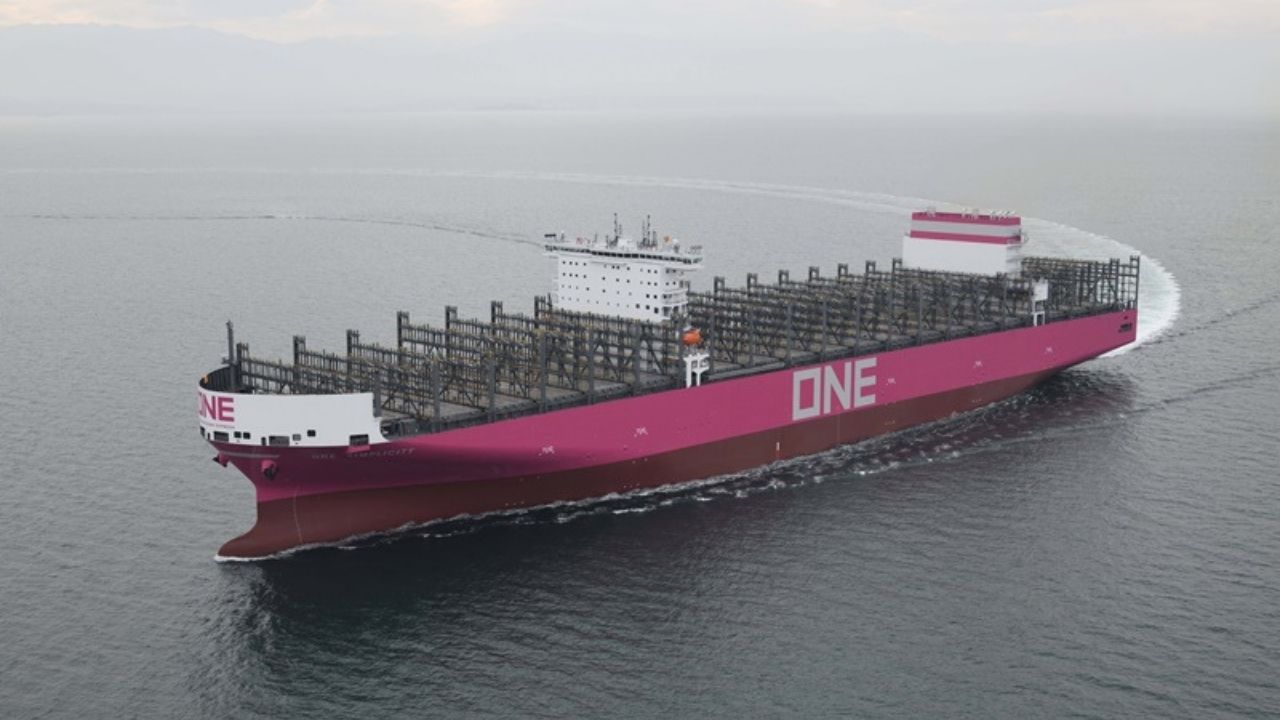
A container ship featuring readiness for conversion to alternative fuels has been delivered to shipping company ONE.
The vessel, One Simplicity, was delivered on 30 March and has a container capacity of 13,932 TEU. Approval in Principle has been granted by Lloyd’s Register for future methanol and ammonia fuel conversion, and equipment for CO2 recovery equipment.
The ship is said to achieve an Energy Efficiency Design Index (EEDI) reduction of about 60% relative to the reference value, significantly surpassing the latest requirement.
The vessel’s fuel-efficiency performance is attributed to a hull form developed using advanced analysis technology and optimised for operating speed and draught conditions, together with energy-saving devices, a twist rudder and hull coatings designed to reduce friction with seawater. A bow wind cover has also been fitted to improve performance in real operating conditions.
To meet emissions rules, the ship has been equipped with a hybrid exhaust gas cleaning system (EGCS) for sulphur oxides (SOx) compliance and an exhaust gas recirculation (EGR) system for nitrogen oxides (NOx). Other environmental measures include ballast water treatment equipment and an inventory list prepared in line with the Ship Recycling Convention.
One Simplicity has an overall length of 335.94 metres, a breadth of 51 metres and a depth of 30.10 metres. The vessel has a gross tonnage of 140,233, is powered by a 7G95ME-C10.6 main engine, and has a service speed of about 22 knots.
|
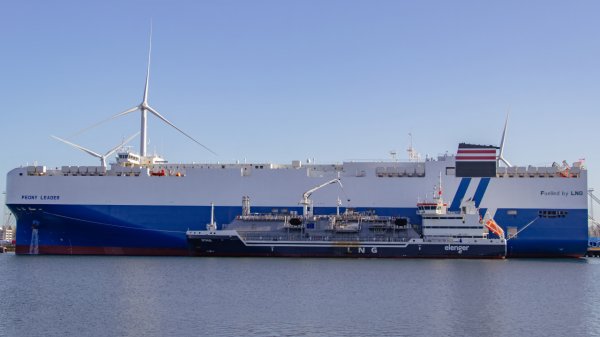
FuelEU pooling drives surge in bio-LNG demand, Titan analysis finds
Clean fuel supplier's modelling shows pooling mechanism turning overcompliance into tradable value for LNG-fuelled ships. |
|
|
|
||
|
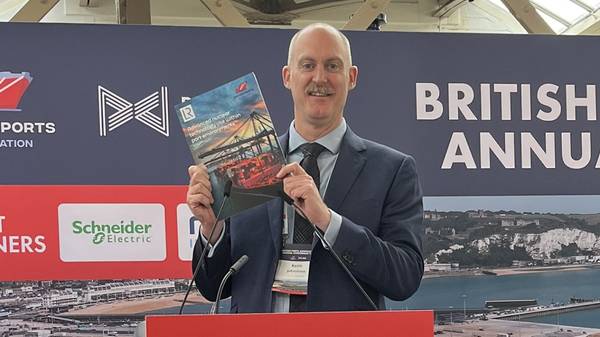
Ports told to prepare now for advanced nuclear power
Joint paper sets out a readiness pathway for ports facing nuclear-powered vessels, floating reactors and small modular units |
|
|
|
||
|
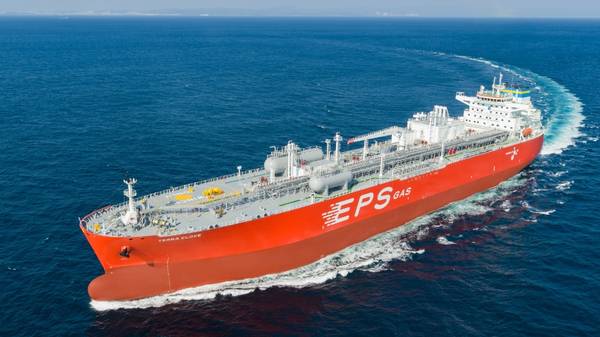
Eastern Pacific Shipping takes delivery of first ammonia dual-fuel VLAC
Terra Clove powered by first Everllence B&W 6G60ME-C10.5-LGIA ammonia dual-fuel two-stroke engine. |
|
|
|
||
|
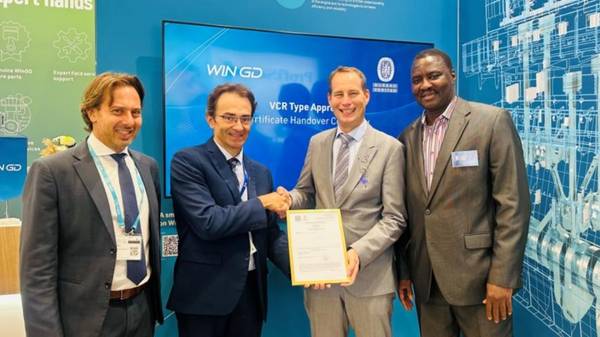
Bureau Veritas approves WinGD's variable compression ratio technology for dual-fuel engines
Classification society grants type approval to engine technology enabling compression ratio adjustment across different marine fuels. |
|
|
|
||
|
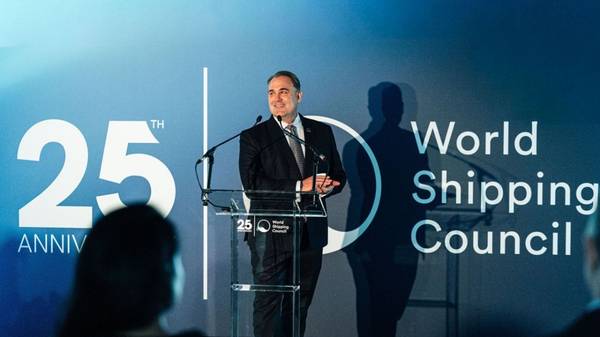
Dual-fuel fleet passes 500 ships as investment tops $200bn
World Shipping Council data shows dual-fuel container ships and vehicle carriers growing fast, with IMO rules uncertain. |
|
|
|
||

|
VPS to host Athens seminar on fuel efficiency and carbon reduction
VPS's final European round table of 2026 will cover marine fuels, lubricants and decarbonisation in Athens. |
|
|
|
||
|
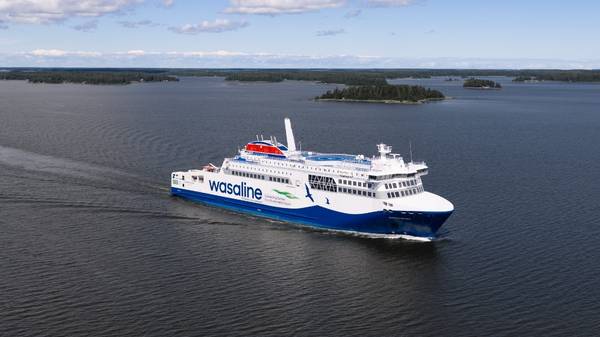
Wasaline secures locally produced biogas supply from St1 Biokraft for Vaasa–Umeå ferry
Agreement will supply 42 GWh of liquefied biogas annually, with deliveries due to start in January 2028. |
|
|
|
||
|
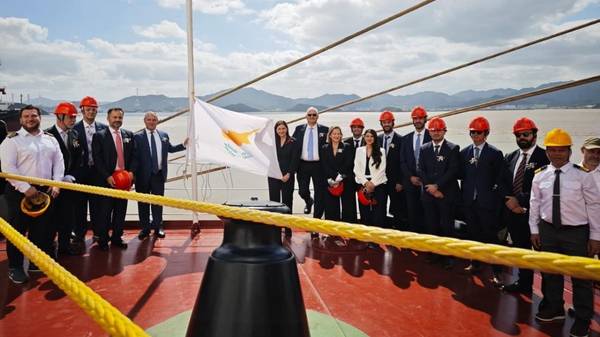
Safe Bulkers takes delivery of first dual-fuel methanol Kamsarmax newbuild
Kypros Island becomes the first dual-fuel bulker to enter the Cyprus Registry. |
|
|
|
||

|
PetroChina seeks LNG bunker trader to expand Asian marine fuel business
Role requires five to ten years of commercial experience in LNG, bunker trading, marine fuels, commodities, or energy trading. |
|
|
|
||
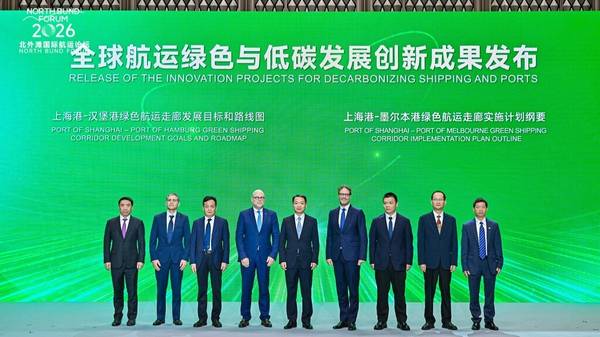
|
Shanghai and Melbourne ports move green shipping corridor into delivery phase
Ports launch implementation plan targeting green methanol, biofuels and shore power by 2035. |
|
|
|
||
| Dual-fuel fleet passes 500 ships as investment tops $200bn [News & Insights] |
| Safe Bulkers takes delivery of first dual-fuel methanol Kamsarmax newbuild [News & Insights] |
| Maersk Tankers names second gas carrier in South Korea [News & Insights] |
| HMM orders eight LNG dual-fuel container ships in newbuild push [News & Insights] |
| CIMC SOE advances construction on three LNG bunker vessels [News & Insights] |
