
|
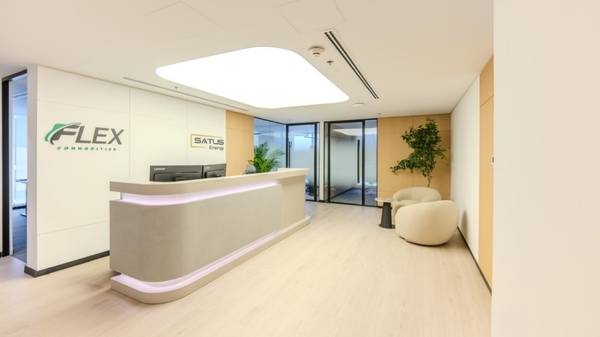
Flex Commodities moves Dubai head office to Jumeirah Lakes Towers
UAE-based firm relocates to waterfront community popular amongst bunker companies. |
|
|
|
||
|
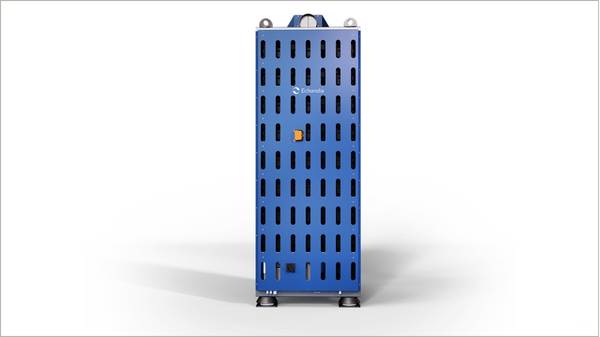
Echandia: Batteries offer fuel savings by optimising generator loads on large vessels
Marine batteries could cut auxiliary generator fuel consumption by up to 15%, according to technology firm. |
|
|
|
||
|
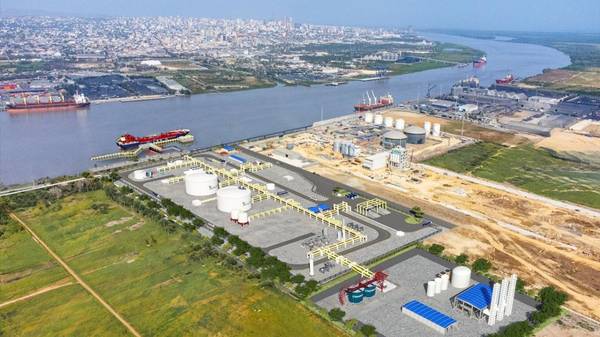
Amazónica LNG joins SEA-LNG, extending the coalition’s reach into Latin America
Colombian LNG terminal operator becomes first South American member of the multi-sector industry group. |
|
|
|
||
|
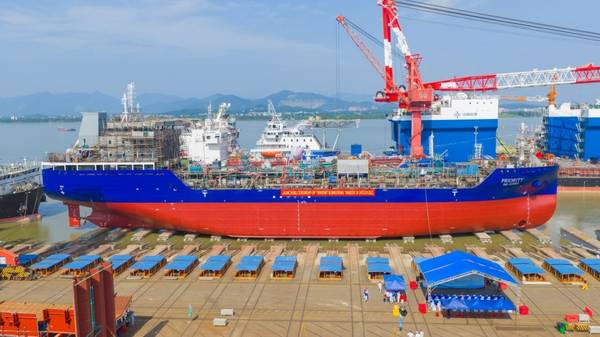
Hong Lam Marine launches first of four newbuild bunkering vessels
First ship in the series, Priority, is launched in Jiangmen, China. |
|
|
|
||
|
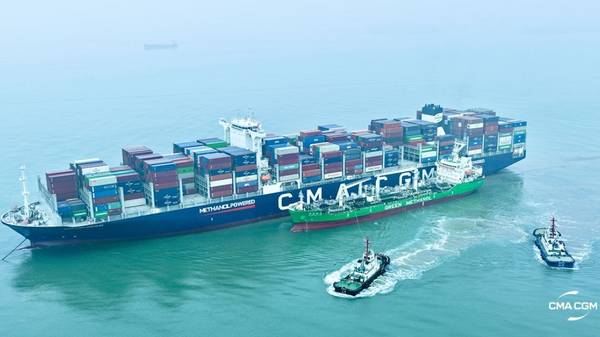
CMA CGM completes world’s largest single-batch biomethanol bunkering at Shanghai
8,016-tonne operation said to be enough to fuel an entire transoceanic voyage. |
|
|
|
||
|
ClassNK revises alternative fuels guidelines to address hydrogen, methanol and ethanol safety requirements
Updated guidelines incorporate IMO hydrogen rules and new structural standards for alcohol fuel tanks. |
|
|
|
||
|
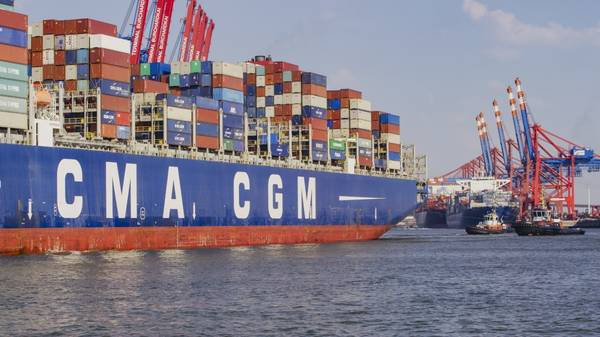
MacGregor wins cargo handling contract for six LNG-powered boxships at Cochin Shipyard
CMA CGM container vessels are scheduled for delivery between 2029 and 2031. |
|
|
|
||
|
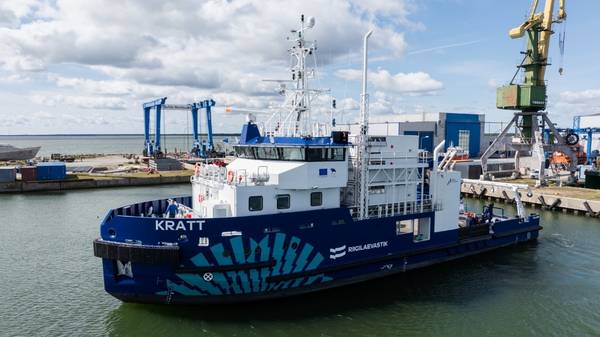
Estonia launches biomethane-battery workboat for state fleet
38-metre KRATT is said to be the first vessel of its kind in the region. |
|
|
|
||
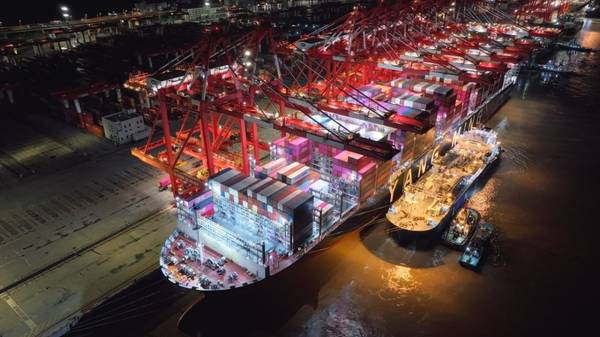
|
Yang Ming completes first LNG SIMOPS bunkering for YM Willpower in Shanghai
Dual-fuel boxship receives 2,000 tonnes of LNG during simultaneous cargo operations. |
|
|
|
||
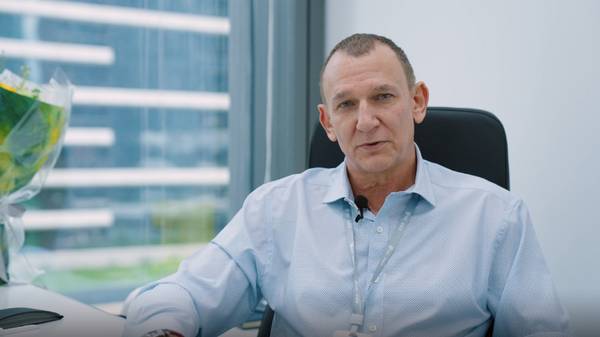
|
AYK Energy and Gebhard Electro secure two vessel electrification contracts
A new dredger and a patrol vessel retrofit form the latest battery projects for the duo. |
|
|
|
||
| Terpel launches bunkering operations in Chile [News & Insights] |
| Vilma Oil Med expands Ceuta bunkering operations with biofuel capability [News & Insights] |
| New dual-fuel RoRo concept with bow-mounted engine room unveiled [News & Insights] |
| Biodiesel cuts black carbon emissions by up to 81% in shipping trial [News & Insights] |
| Sallaum Lines orders four 8,600-ceu dual-fuel PCTCs from Chinese yard — its largest vessels to date [News & Insights] |
| Hormuz Marine receives GCC recognition as bunkering provider [News & Insights] |

