|
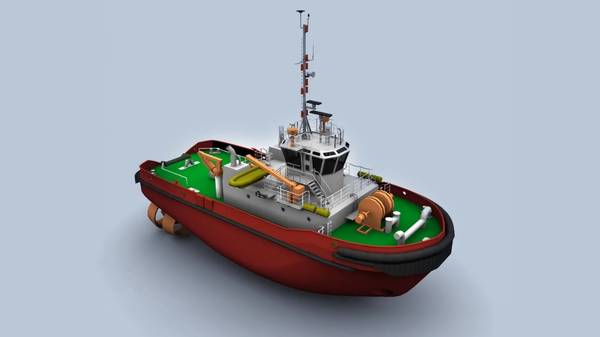
Echandia wins battery contract for two electric tugs under India’s Green Tug Transition Programme
Swedish battery maker secures second and third electric tug contracts in India’s port decarbonisation drive. |
|
|
|
||
|
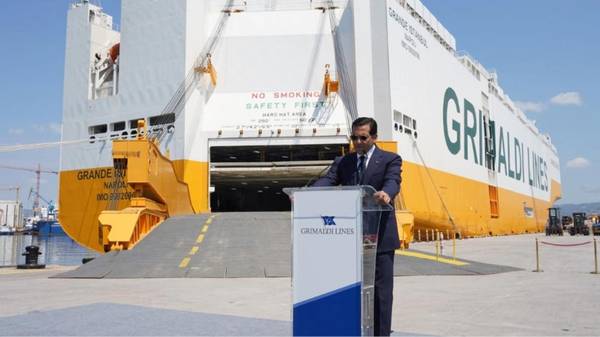
Grimaldi presents ammonia-ready car carrier Grande Istanbul at Turkish port ceremony
Vessel is one of 17 next-generation PCTCs commissioned by the Italian shipping group. |
|
|
|
||
|
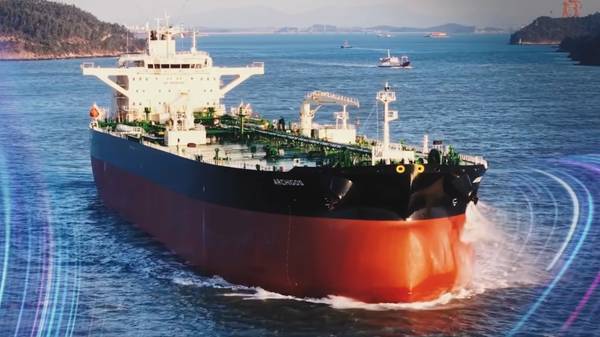
Capital Ship Management takes delivery of methanol-ready Suezmax tanker Archigos
The 157,000-dwt vessel, built in South Korea, features AI-assisted navigation and energy-saving technology. |
|
|
|
||
|
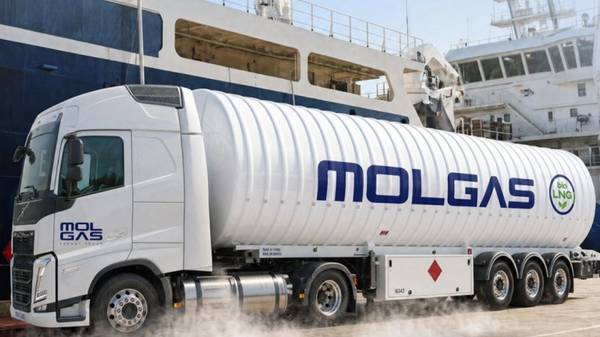
Molgas secures 10-year LNG truck-to-ship licence at the Port of Bilbao
Spanish energy group obtains decade-long operating licence for LNG bunkering operations. |
|
|
|
||
|
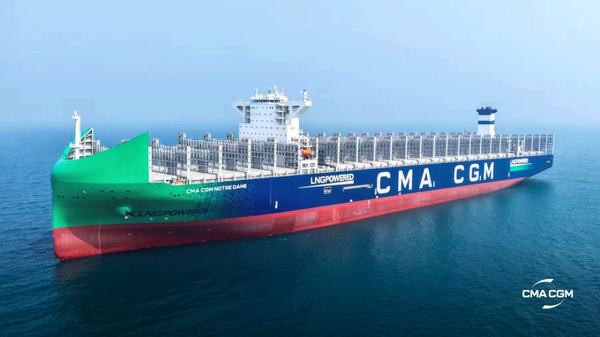
CMA CGM names world’s largest LNG-powered containership in Le Havre
The CMA CGM Notre Dame is formally welcomed into the French carrier’s fleet. |
|
|
|
||
|
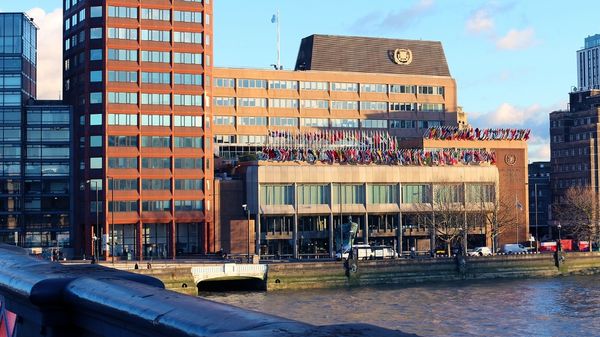
IMO calls for speaker nominations for ammonia-as-fuel technical seminar
Nomination deadline for upcoming ammonia marine fuel seminar in London is 17 July. |
|
|
|
||
|
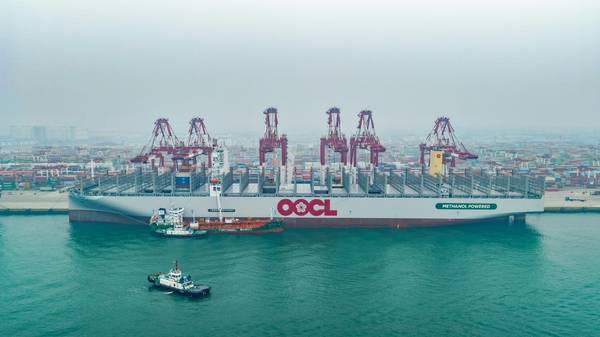
OOCL Wisdom completes ‘first green methanol bunkering’ at Qingdao Port
Vessel, claimed to be the world's largest methanol dual-fuel container ship, sets sail on maiden voyage to Europe. |
|
|
|
||
|
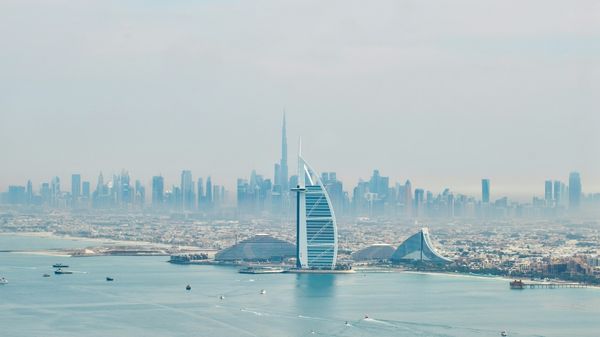
Oilmar seeks senior bunker trader for Dubai office
Experienced trader with proven P&L responsibility sought by UAE-headquartered firm. |
|
|
|
||
|
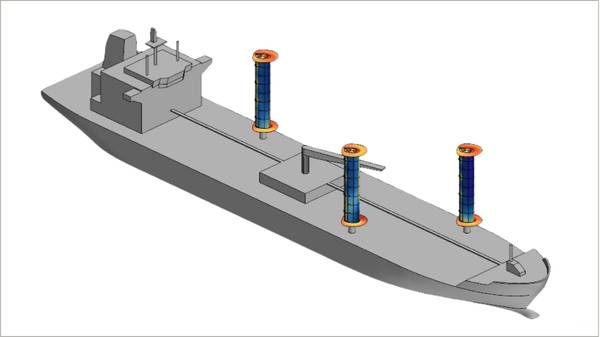
ABS reviews bound4blue’s Pwind calculation methodology for eSAIL wind propulsion systems
Independent review aims to ease regulatory compliance and accelerate adoption of suction sail technology. |
|
|
|
||
|
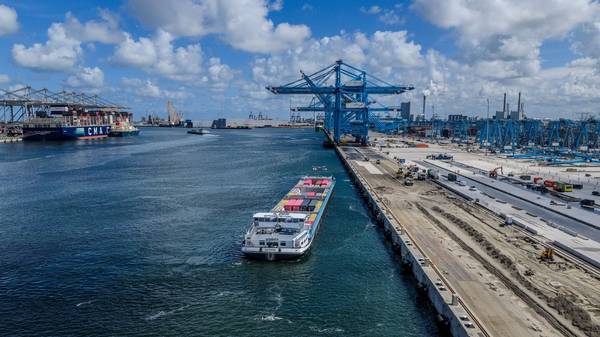
Port of Rotterdam appoints new programme manager for bunkering
Astrid Sonnevelt has a background in renewable products, business development and emissions reduction. |
|
|
|
||
| ICS urges IMO action to avoid sulphur cap 'chaos' [News & Insights] |
| ABS issues marine fuel advisory ahead of 2020 sulphur cap [News & Insights] |
| ICS raises concerns over 2020 fuel availability and agreed standards [News & Insights] |
| IMO agrees historic deal to cut carbon in shipping sector [News & Insights] |
| IMO agrees workplan for safety rules on battery-, wind- and nuclear-powered ships [News & Insights] |
| EU pushes port electrification and alternative fuels amid competitiveness concerns [News & Insights] |
| FuelRe4m CEO calls IMO Net-Zero Framework 'tax game disguised as climate policy' [News & Insights] |
| US pressure delays IMO Net-Zero Framework vote by one year [News & Insights] |
| Anemoi completes rotor sail installation on 400,000 DWT ore carrier [News & Insights] |