Wed 14 Mar 2018, 09:11 GMT

Oil and fuel oil hedging market update


By the Oil Desk at Freight Investor Services.


Commentary

Brent closed down $0.31 last night to $64.64, WTI closed at $60.71, down 0.65. Yesterday's Brent market was very wibbly wobbly (fantastic English phrase) with a low of $64.05 and a high of $65.68 - with people quickly crying into their desk, or swearing to themselves. And it kind of makes sense. The market is about as interesting as listening to the shipping forecast on BBC Radio 4, while eating dry toast, and leafing through a text book on the intricacies of the UK tax system. With no real direction, and people taking more of a wait-and-see approach to yesterday's volatility will be welcomed with the same glee as Guardiola will have over Sevilla beating Man Utd last night. What will break us out of this range on Brent, though? Well, as I mentioned yesterday, I think the IEA report tomorrow will be important. There is also the US rig count increasing by 60 since the start of the year, US oil production at 10.369mn bpd as of last week, a near 1mn bpd increase from January where production stood at 9.492mn bpd. Consistent builds on US crude stockpiles, further complication of Venezuelan oil production, the sacking of Rex Tillerson and the implications for U.S. foreign policy (I'm looking at you Iran and North Korea). There are plenty of things to get this market going.

Fuel Oil Market (March 13)

The front crack opened at -9.95, strengthening to -9.90,before weakening to -10.10. The Cal 19 was valued at -14.85

Asia's prompt-month viscosity spread slipped, edging away from a 10-month high hit in the previous session. Tighter blendstock supplies and increased prompt demand from South Korean power producers have contributed to the recent gains in the viscosity spread.

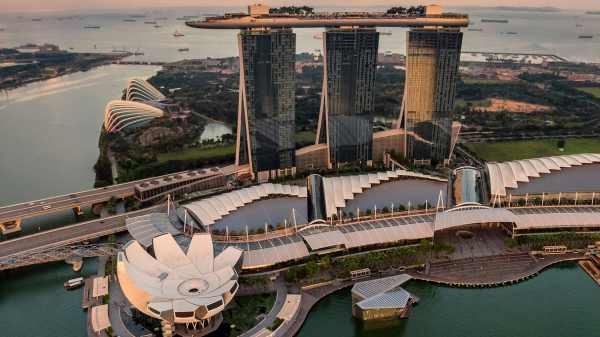
Singapore sold a total of 4.136 million tonnes of marine fuels in February, the highest ever for the shortest month of the year. February sales were 7.5 percent higher than a year earlier but down 10.2 percent from a month ago

However, vessels calling at Singapore for bunkers continued to load larger quantities of fuel with each ship taking on average 1,340 tonnes of fuel in February, well above the average of 1,240 tonnes loaded by vessels in 2017 and slightly higher from the 1,330 tonne average in January.

Economic Data and Events

* 11am: MBA Mortgage Applications

* 11:30am-12pm: OPEC releases Monthly Oil Market Report

* 12:30pm: U.S. PPI Final Demand,. Feb.

* 12:30pm: U.S. Retail Sales Advance, Feb.

* 2pm: U.S. Business Inventories, Jan.

* 2:30pm: EIA weekly oil inventory report

Singapore 380 cSt

Apr18 - 358.25 / 360.25

May18 - 357.25 / 359.25

Jun18 - 356.25 / 358.25

Jul18 - 354.50 / 356.50

Aug18 - 352.75 / 354.75

Sep18 - 351.00 / 353

Q2-18 - 357.25 / 359.25

Q3-18 - 352.75 / 354.75

Q4-18 - 346.00 / 348.50

Q1-19 - 337.25 / 339.75

CAL19 - 312.25 / 316.25

CAL20 - 247.50 / 255.50

Singapore 180 cSt

Apr18 - 366.00 / 368.00

May18 - 365.00 / 367.00

Jun18 - 364.25 / 366.25

Jul18 - 362.75 / 364.75

Aug18 - 361.00 / 363.00

Sep18 - 359.25 / 361.25

Q2-18 - 365.00 / 367.00

Q3-18 - 360.75 / 362.75

Q4-18 - 354.50 / 357.00

Q1-19 - 346.25 / 348.75

CAL19 - 325.50 / 329.50

CAL20 - 271.50 / 279.50

Rotterdam Barges

Apr18 345.50 / 347.50

May18 344.75 / 346.75

Jun18 343.50 / 345.50

Jul18 341.75 / 343.75

Aug18 339.75 / 341.75

Sep18 337.00 / 339.00

Q2-18 344.50 / 346.50

Q3-18 339.50 / 341.50

Q4-18 330.00 / 332.50

Q1-19 322.50 / 325.00

CAL19 291.25 / 295.25

CAL20 236.25 / 244.25


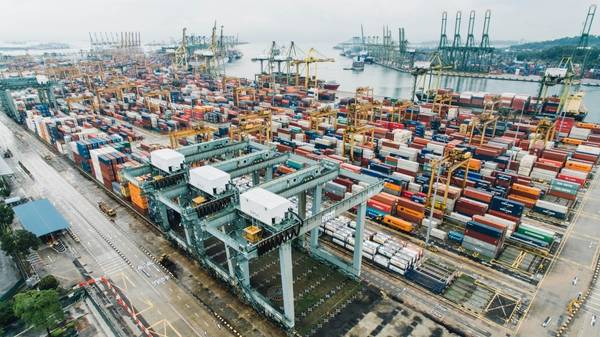
Zhoushan waterfront at night. Zhoushan becomes world's third-largest bunker port  

Chinese refuelling hub overtakes Antwerp-Bruges and Fujairah to take third place in 2025.

Meyer Turku's net-zero vessel concept render. Meyer Turku completes net-zero cruise ship concept with 90% emissions cut  

Finnish shipbuilder’s AVATAR project vessel design exceeds IMO targets using technologies expected by 2030.

Uni-Fuels Logo. Uni-Fuels renews ISCC certification after first biofuel delivery  

Singapore-based marine fuel supplier completes inaugural ISCC-certified biofuel delivery, supporting EU regulatory compliance.

Close-up of a vessel bow at port. Iberian Peninsula poised to overtake the Netherlands as Europe’s top LNG bunkering hub  

Spanish and Portuguese ports quadrupled ship-to-ship LNG supply in two years, data shows.

FOBAS Fuel Insight Fuel Quality report H2 2025 cover. Lloyd’s Register reports sharp rise in marine fuel quality failures in late 2025  

December recorded the highest monthly off-specification cases, driven by sulphur, catalytic fines and flash point issues.

Bio-LNG bunkering infrastructure. Bahía de Bizkaia Gas launches bio-LNG loading service after ISCC certification  

Spanish regasification terminal begins offering renewable fuel loading for trucks and vessels in January 2026.

Grande Michigan vessel. Grimaldi takes delivery of eighth ammonia-ready car carrier Grande Michigan  

The 9,000-ceu vessel features 50% lower fuel consumption and 5 MWh battery capacity.

Graphic of the ABS logo with a blue background and light effects over a globe. ABS consortium delivers ammonia fuel safety report for EMSA  

Report expands on IMO interim guidelines and highlights need for comprehensive understanding of ammonia properties.

Green Future vessel. NYK operates methanol-fuelled bulk carrier for BHP, claims 65% emissions cut  

Green Future becomes first oceangoing bulk carrier to use low-carbon methanol fuel.

Genesis Sea vessel. Ulstein Verft completes sea trials for Genesis Sea CSOV ahead of spring delivery  

The 89.6-metre vessel features hybrid battery propulsion and preparations for green methanol operation.


 Recommended