
 |
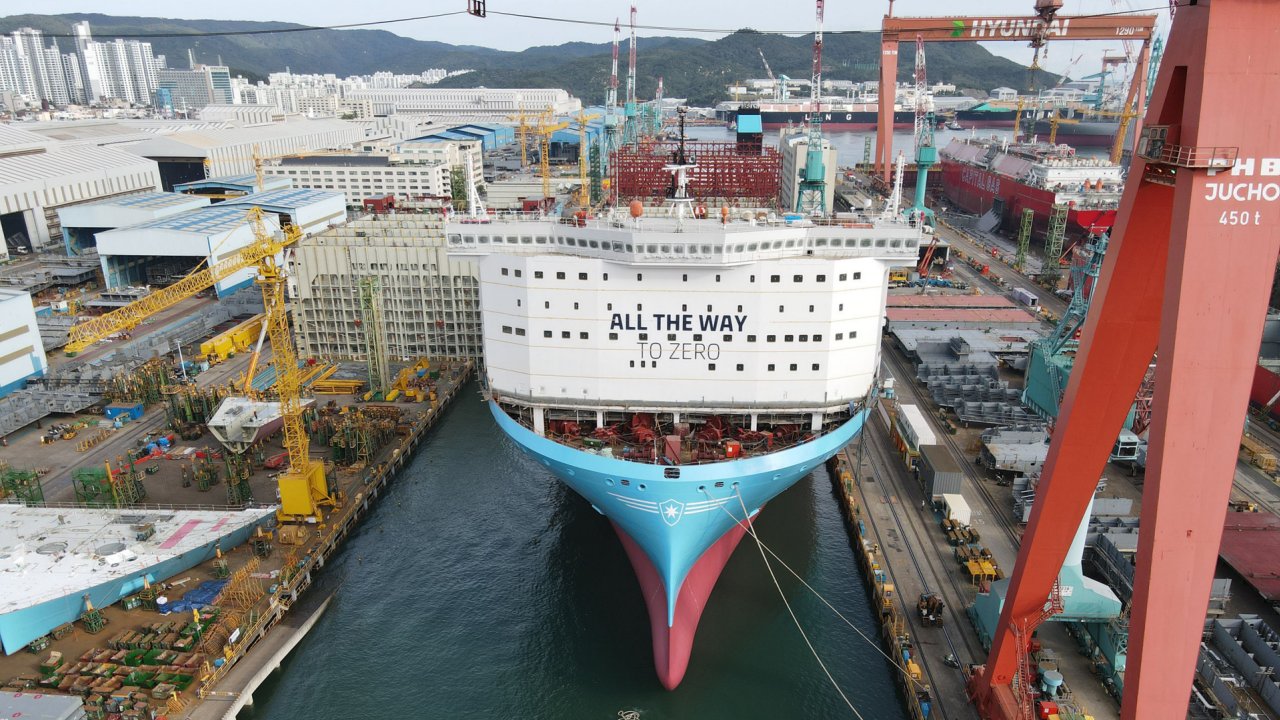
Maersk has signed a green methanol offtake agreement with Chinese clean energy specialist Goldwind.
The accord will see the Danish shipper purchase 500,000 tonnes on an annual basis for the first 12 large methanol-fuelled ships it has on order. Production is expected to begin in 2026.
The volumes combine a mix of green bio-methanol and e-methanol, all produced utilising wind energy at a new production facility in Hinggan League, Northeast China, around 1000km northeast of Beijing.
Following this signed offtake agreement, Goldwind expects to confirm a final investment decision for the facility by the end of the year.
According to Maersk, the agreed volumes will be able to annually propel more than half the methanol-enabled capacity it currently has on order, thus significantly de-risking its objective to reach net-zero greenhouse gas emissions by 2040, whilst also supporting expectations for a competitive green methanol market towards 2030.
"With this project, Goldwind will continue to explore the innovative application of new technologies, pursue the organic combination of green electricity and green fuel production, and optimize the production process of green methanol. Goldwind is committed to collaborating with companies involved in the green methanol industry, with the aim to make green methanol one of the most important and economically feasible clean maritime fuels in the future," said Wu Gang, chairman of Goldwind.
"We are encouraged by the agreement because its scale and price confirm our view that green methanol currently is the most viable low-emission solution for ocean shipping that can make a significant impact in this decade. The deal is a testament to the momentum and vast efforts we see among ambitious developers driving projects forward across geographies, however, we still have a long way to go in ensuring a global green fuels market that can enable the decarbonisation of global shipping," remarked Rabab Raafat Boulos, Chief Infrastructure Officer at A.P. Moller - Maersk.
Maersk is due to take delivery of its first large ocean-going methanol-enabled vessel (16,000 TEU) in the first quarter of 2024, and says it is working diligently on sourcing solutions with a range of global partners for the entire vessel series, scheduled for delivery in 2024-25.
|
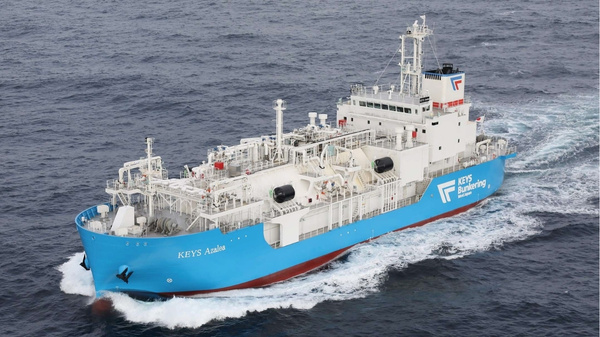
KEYS Azalea completes 100th LNG bunkering operation in western Japan
LNG bunkering vessel reaches landmark delivery in two and a half years. |
|
|
|
||
|
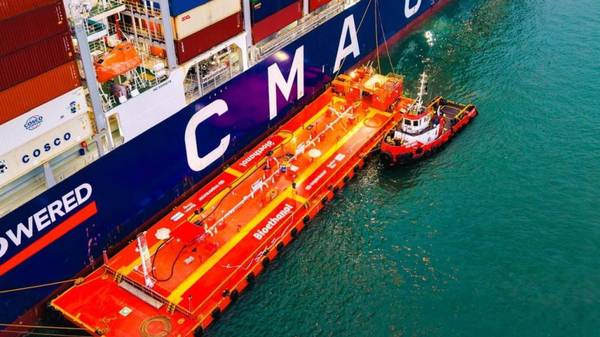
Port of Santos moves to regular ethanol bunkering for ships
CMA CGM, Copersucar and Bunker One expand July pilot into a commercial supply chain for ethanol as a marine fuel in Brazil |
|
|
|
||
|
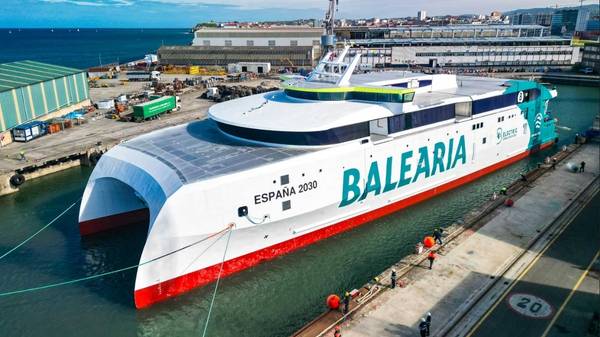
Baleària floats first fully electric fast ferry for Tarifa–Tangier route
Spanish operator's new catamaran, built at Armón's Gijón yard, will enter service in summer 2027. |
|
|
|
||
|
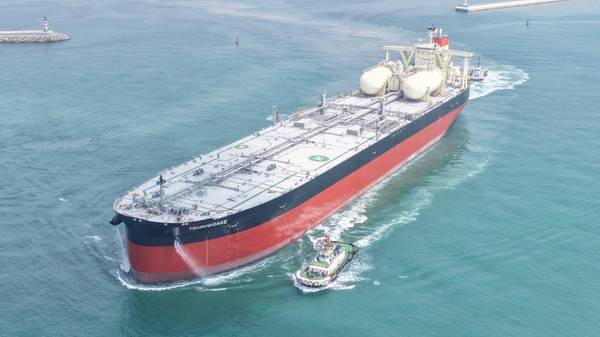
Kawasaki Heavy Industries delivers fourth LNG-fuelled VLCC
The 309,000-tonne Tsurugidake, built at a joint-venture shipyard in Dalian, is designed to cut CO₂ emissions by up to 30% when running on LNG. |
|
|
|
||
|
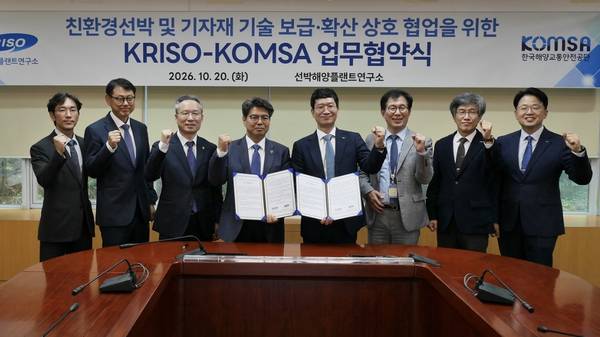
South Korean agencies link up on green shipping data and monitoring tech
KRISO and KOMSA sign an MOU to share demonstration data and remote monitoring capabilities for eco-friendly vessels. |
|
|
|
||
|
Peninsula seeks sales trader for Singapore bunker fuel desk
Role suited to candidates with prior sales or trading experience, ideally within the maritime or energy sector. |
|
|
|
||
|
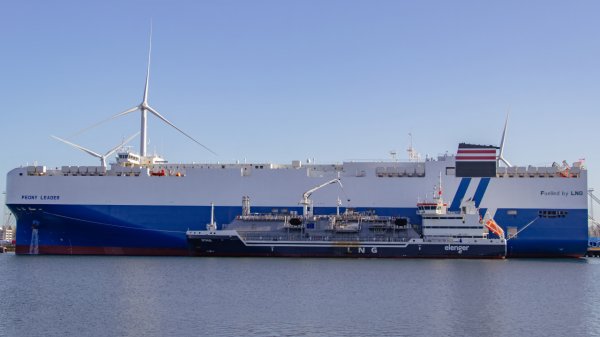
FuelEU pooling drives surge in bio-LNG demand, Titan analysis finds
Clean fuel supplier's modelling shows pooling mechanism turning overcompliance into tradable value for LNG-fuelled ships. |
|
|
|
||
|
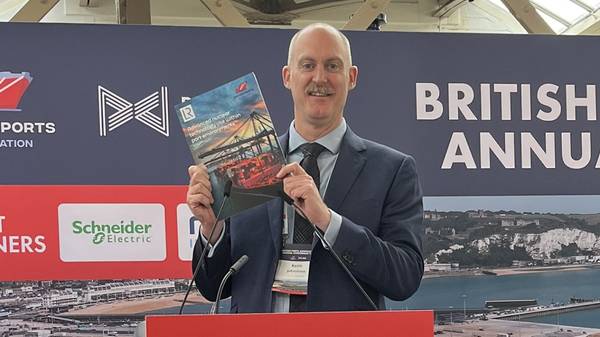
Ports told to prepare now for advanced nuclear power
Joint paper sets out a readiness pathway for ports facing nuclear-powered vessels, floating reactors and small modular units |
|
|
|
||
|
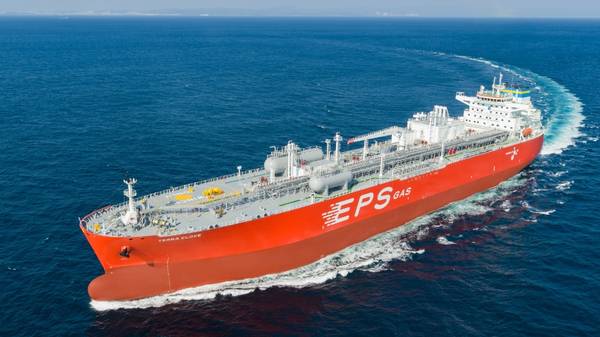
Eastern Pacific Shipping takes delivery of first ammonia dual-fuel VLAC
Terra Clove powered by first Everllence B&W 6G60ME-C10.5-LGIA ammonia dual-fuel two-stroke engine. |
|
|
|
||
|
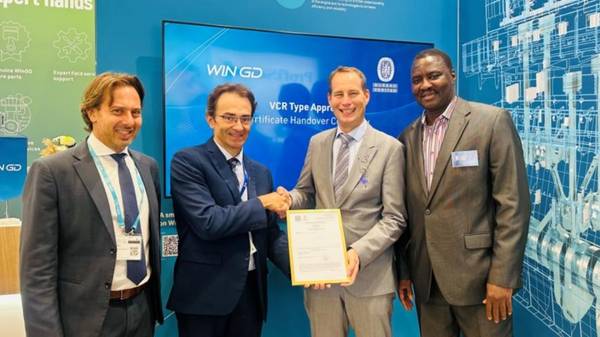
Bureau Veritas approves WinGD's variable compression ratio technology for dual-fuel engines
Classification society grants type approval to engine technology enabling compression ratio adjustment across different marine fuels. |
|
|
|
||
| Maersk posts $930m drop in Q3 fuel costs [News & Insights] |
| World's first methanol-fuelled boxship completes maiden trip [News & Insights] |
| Maersk procures fuel for world's first methanol-enabled boxship [News & Insights] |
| Methanol Institute publishes comprehensive fuel guide [News & Insights] |
| KEYS Azalea completes 100th LNG bunkering operation in western Japan [News & Insights] |
| Port of Santos moves to regular ethanol bunkering for ships [News & Insights] |
| Eastern Pacific Shipping takes delivery of first ammonia dual-fuel VLAC [News & Insights] |
| Dual-fuel fleet passes 500 ships as investment tops $200bn [News & Insights] |
| Wasaline secures locally produced biogas supply from St1 Biokraft for Vaasa–Umeå ferry [News & Insights] |
