
 |
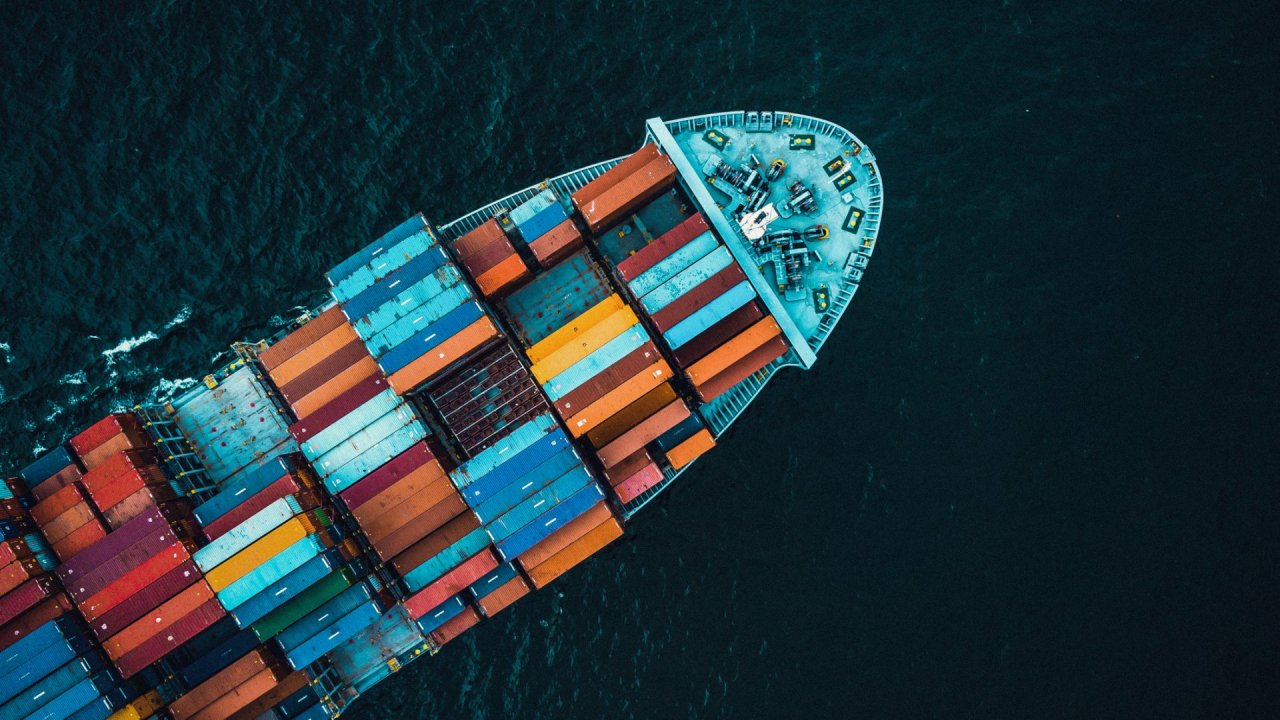
Maersk reports that bunker costs decreased year-on-year (YoY) by $930m in the third quarter (Q3) of 2023.
Fuel expenses in Q3 amounted to $1.47bn — a decline of 38.8% on the $2.4bn posted for the corresponding period in 2022.
Consumption of marine fuel declined YoY by 201,000 tonnes, or 7.5%, to 2.481m tonnes, whilst the average bunker price fell $302, or 33.7%, to $593 per tonne.
For the first nine months (9M) of 2023, bunker costs amounting to $4.417bn were $1.826bn, or 29.2%, lower than in the prior-year period.
Fuel consumption in 9M was 7.325m tonnes, representing a YoY reduction of 707,000 tonnes, or 8.8%. During this period, the average bunker price shrank $174, or 22.4%, to $603 per tonne.| Year | Q3 | +/- ($m) | +/- (%) |
| 2023 | 1470.0 | -930.0 | -38.8 |
| 2022 | 2400.0 | 982.0 | 69.3 |
| 2021 | 1418.0 | 659.0 | 86.8 |
| 2020 | 759.0 | -359.0 | -32.1 |
| 2019 | 1118.0 | -200.0 | -15.2 |
| Year | Q3 | +/- (000 mt) | +/- (%) |
| 2023 | 2481.0 | -201.0 | -7.5 |
| 2022 | 2682.0 | -134.0 | -4.8 |
| 2021 | 2816.0 | 195.0 | 7.4 |
| 2020 | 2621.0 | -182.0 | -6.5 |
| 2019 | 2803.0 | -112.0 | -3.8 |
| Year | Q3 | +/- ($) | +/- (%) |
| 2023 | 593.0 | -302.0 | -33.7 |
| 2022 | 895.0 | 391.0 | 77.6 |
| 2021 | 504.0 | 214.0 | 73.8 |
| 2020 | 290.0 | -109.0 | -27.3 |
| 2019 | 399.0 | -53.0 | -11.7 |
| Year | 9M | +/- ($m) | +/- (%) |
| 2023 | 4417.0 | -1826.0 | -29.2 |
| 2022 | 6243.0 | 2437.0 | 64.0 |
| 2021 | 3806.0 | 886.0 | 30.3 |
| 2020 | 2920.0 | -550.0 | -15.9 |
| 2019 | 3470.0 | -247.0 | -6.6 |
| Year | 9M | +/- (000 mt) | +/- (%) |
| 2023 | 7325.0 | -707.0 | -8.8 |
| 2022 | 8032.0 | -253.0 | -3.1 |
| 2021 | 8285.0 | 797.0 | 10.6 |
| 2020 | 7488.0 | -831.0 | -10.0 |
| 2019 | 8319.0 | -727.0 | -8.0 |
| Year | 9M | +/- ($) | +/- (%) |
| 2023 | 603.0 | -174.0 | -22.4 |
| 2022 | 777.0 | 318.0 | 69.3 |
| 2021 | 459.0 | 69.0 | 17.7 |
| 2020 | 390.0 | -27.0 | -6.5 |
| 2019 | 417.0 | 6.0 | 1.5 |
|
FuelEU pooling drives surge in bio-LNG demand, Titan analysis finds
Clean fuel supplier's modelling shows pooling mechanism turning overcompliance into tradable value for LNG-fuelled ships. |
|
|
|
||
|
Ports told to prepare now for advanced nuclear power
Joint paper sets out a readiness pathway for ports facing nuclear-powered vessels, floating reactors and small modular units |
|
|
|
||
|
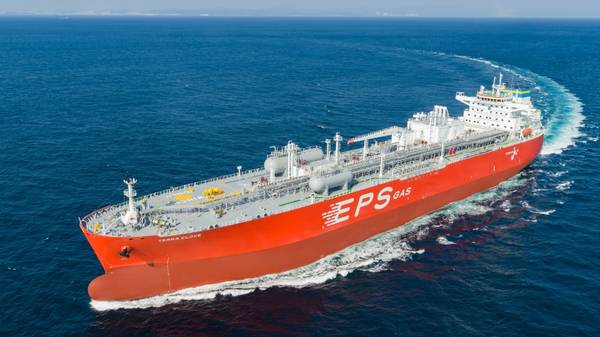
Eastern Pacific Shipping takes delivery of first ammonia dual-fuel VLAC
Terra Clove powered by first Everllence B&W 6G60ME-C10.5-LGIA ammonia dual-fuel two-stroke engine. |
|
|
|
||
|
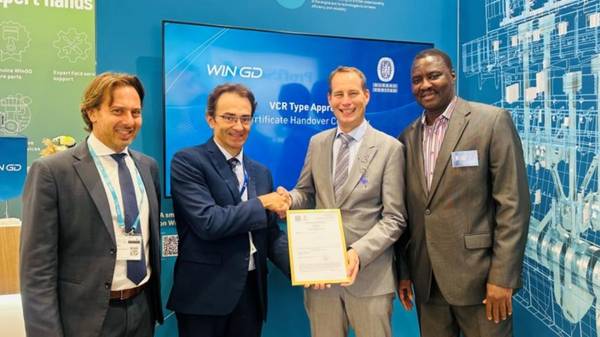
Bureau Veritas approves WinGD's variable compression ratio technology for dual-fuel engines
Classification society grants type approval to engine technology enabling compression ratio adjustment across different marine fuels. |
|
|
|
||
|
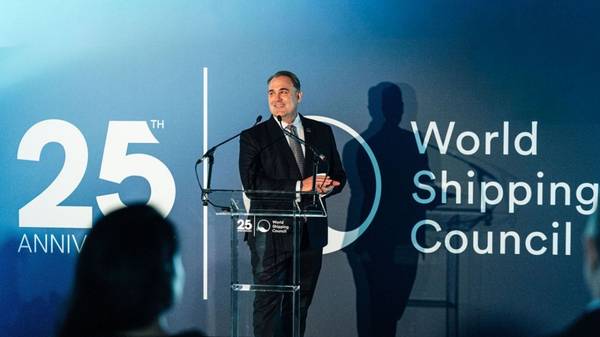
Dual-fuel fleet passes 500 ships as investment tops $200bn
World Shipping Council data shows dual-fuel container ships and vehicle carriers growing fast, with IMO rules uncertain. |
|
|
|
||

|
VPS to host Athens seminar on fuel efficiency and carbon reduction
VPS's final European round table of 2026 will cover marine fuels, lubricants and decarbonisation in Athens. |
|
|
|
||
|
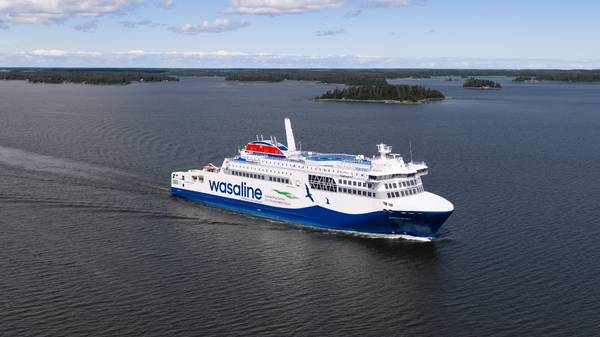
Wasaline secures locally produced biogas supply from St1 Biokraft for Vaasa–Umeå ferry
Agreement will supply 42 GWh of liquefied biogas annually, with deliveries due to start in January 2028. |
|
|
|
||
|
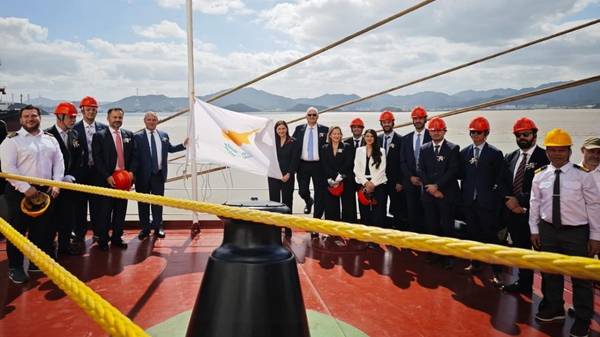
Safe Bulkers takes delivery of first dual-fuel methanol Kamsarmax newbuild
Kypros Island becomes the first dual-fuel bulker to enter the Cyprus Registry. |
|
|
|
||

|
PetroChina seeks LNG bunker trader to expand Asian marine fuel business
Role requires five to ten years of commercial experience in LNG, bunker trading, marine fuels, commodities, or energy trading. |
|
|
|
||

|
Shanghai and Melbourne ports move green shipping corridor into delivery phase
Ports launch implementation plan targeting green methanol, biofuels and shore power by 2035. |
|
|
|
||
| World's first methanol-fuelled boxship completes maiden trip [News & Insights] |
| Maersk procures fuel for world's first methanol-enabled boxship [News & Insights] |
| Maersk bunker costs jump 50% in 2022 [News & Insights] |
| VPS performs first methanol bunker quantity survey [News & Insights] |
| Maersk Tankers names second gas carrier in South Korea [News & Insights] |
| BSM takes over methanol-fuelled Maersk Torino, building alternative fuel experience [News & Insights] |
| Singapore completes world's largest ethanol bunkering operation [News & Insights] |
| WinGD engine completes first in-service ethanol voyage on Maersk container ship [News & Insights] |
| Maersk completes first US ethanol bunkering of a deep-sea container ship [News & Insights] |
