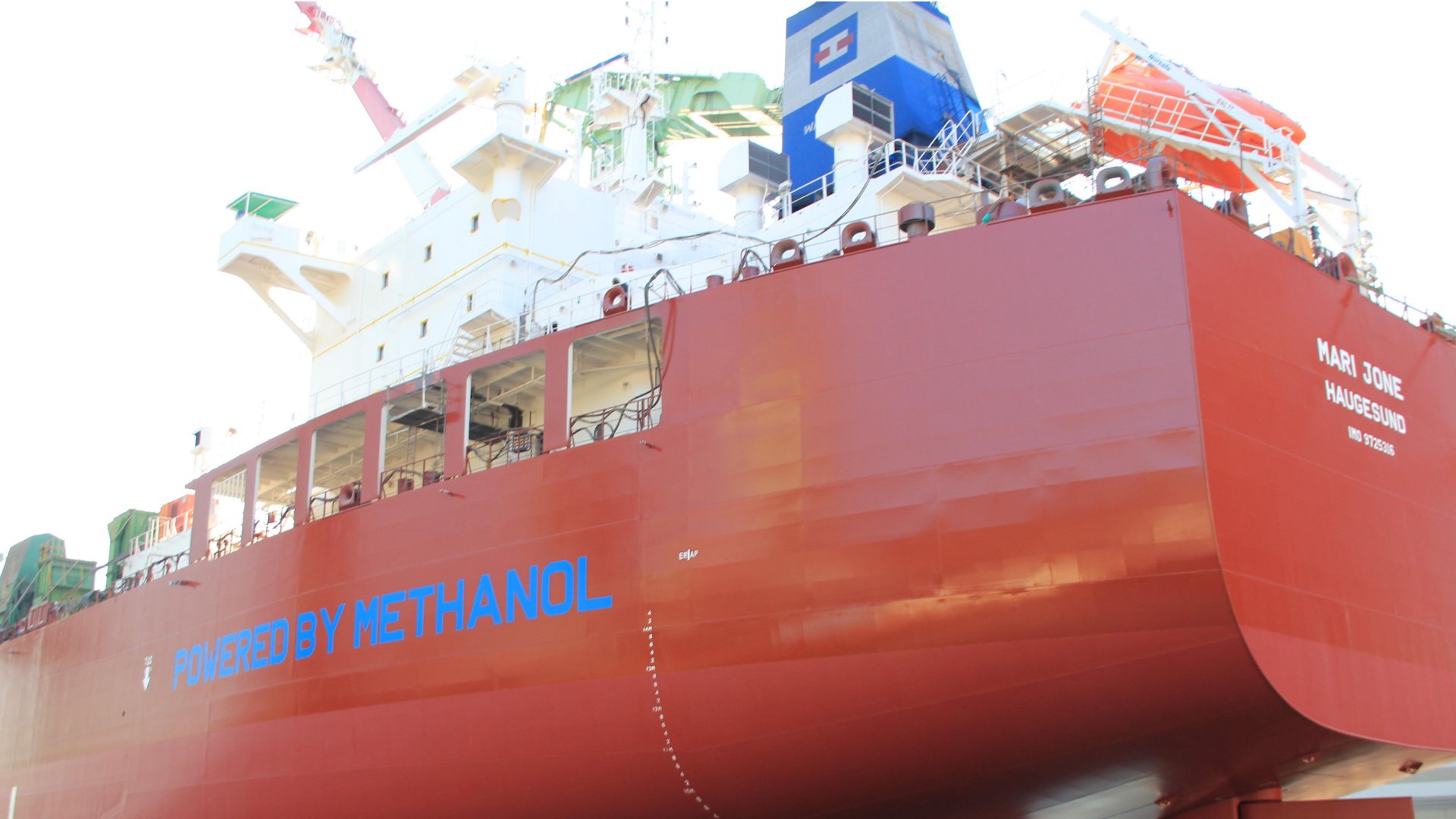
The Methanol Institute (MI) has published its first comprehensive guide to methanol as a marine fuel.
Entitled 'Marine Methanol Future-Proof Shipping Fuel', the report is designed to help support buyers' decision-making on which alternative fuel is right for their fleet.
Sections of the report address regulatory drivers, environmental performance, engines and fuel systems, bunkering, handling and safety characteristics, costs and pricing, availability and feedstocks for conventional and renewable product.
Also included are case studies on first movers, including AP Moller-Maersk, Waterfront Shipping, Proman Stena Bulk and the conversion of the ro-pax ferry Stena Germanica.
Approved under the IMO's IGF Code, the orderbook for methanol-fuelled ships has been grown rapidly, with owners and operators selecting the fuel for use on a range of vessel types — from the largest containerships to small pilot boats.
Propulsion systems include tried and tested two-stroke main engines, four stroke units, and fuel cells using methanol for conversion to hydrogen. Main engine manufacturers are developing ever larger, higher capacity units. And projects have been successfully converting smaller main engines to methanol operations.
"Methanol has staked a significant claim to be among the serious fuel choices for vessel designers, owners and operators looking to make a start on their transition to sustainable operations," said MI Chief Executive Officer Greg Dolan. "While there won’t be a single decarbonization solution, it is clear that methanol has advantages that combine to provide a pathway to lower carbon and ultimately carbon-neutral operations. This report provides a clear roadmap for this journey."
MI Chief Operating Officer, Chris Chatterton, commented: "Shipowners have recognised that methanol provides them with huge flexibility in introducing a low-pollution, lower carbon fuel which is closest to a drop-in available in the market."
Chatterton added: "The decision by more and more leading shipping companies to adopt methanol as fuel signals that the industry recognises the need to start its transition to net carbon neutrality now; this publication can support their decision-making process."
To download the guide, please click here.

|
WinGD signs global service agreement for TMS Cardiff Gas LNG carrier newbuilds
WinGD will support six dual-fuel engines on three new LNG carriers for the Athens-based operator throughout their operational lives. |
|
|
|
||

|
Yangzijiang Xinfu delivers first 175,000-cbm LNG carrier built by Chinese private shipyard
Vessel features two dual-fuel MAN B&W 5G70ME-C10.5-GA-EGR engines fitted with cryogenic units. |
|
|
|
||

|
LNG bunkering vessel Kaguya completes 200th ship-to-ship operation in Japan
K Line’s joint venture vessel reaches milestone in Mikawa Bay. |
|
|
|
||

|
Synergy Marine adds dual-fuel LPG carrier to managed fleet
MFM Nicole joins Synergy’s gas carrier portfolio as owners weigh fuel choices ahead of MEPC 85 negotiations. |
|
|
|
||

|
DSV to use CMA CGM’s ACT+ solution to slash shipping emissions
Danish firm targets 12,000-tonne reduction in CO₂ emissions over two years through the use of UCOME-based biofuels. |
|
|
|
||

|
Peninsula welcomes 2026 graduate cohort across global bunkering network
Bunker firm brings new graduates into roles spanning Houston, Singapore, Gibraltar, Monaco and Las Palmas. |
|
|
|
||

|
Malik Supply appoints Mathias Krogsgård as bunker trader
Danish bunker firm adds trader with export and technology background to growing team. |
|
|
|
||

|
Biofuel adoption in shipping shifts from debate to delivery, says Peninsula's Jeroen de Vos
Marine biofuels have moved from pilot projects to routine fuel strategy, argues IBIA vice-chair. |
|
|
|
||
|
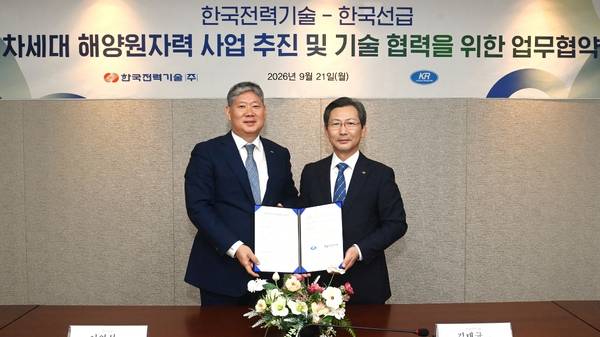
KEPCO E&C and Korean Register of Shipping to collaborate on marine SMR development
Korean firms to develop technical standards and certification pathways for the BANDI offshore small modular reactor. |
|
|
|
||
|
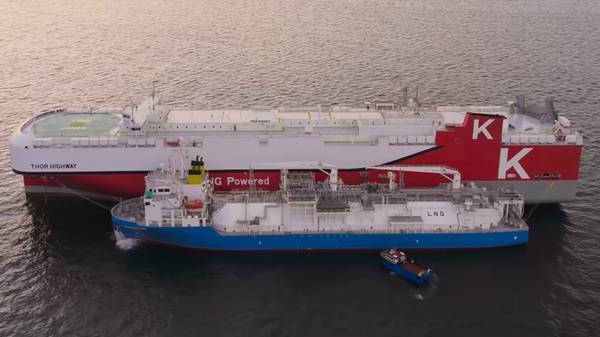
Peninsula completes first LNG bunkering operation at Sagunto
Levante LNG bunkering vessel supplies K Line car carrier in landmark delivery. |
|
|
|
||
| Methanol fuel cell project 'proceeding as planned': Alfa Laval [News & Insights] |
| Maersk orders eight large methanol-fuelled boxships [News & Insights] |
| Methanol fuel cell project 'proceeding as planned': Alfa Laval [News & Insights] |
| Approval of methanol guidelines will release 'pent-up demand': Methanol Institute [News & Insights] |
| CMA CGM takes delivery of methanol dual-fuel newbuild [News & Insights] |
| Wärtsilä to supply dual-fuel engines for 12 CMA CGM container ships [News & Insights] |
| CMA CGM takes delivery of LNG-powered Orsay for Asia-Europe trade [News & Insights] |
| Nuclear-powered LNG carriers cost more upfront but cut lifetime fuel bills, ABS-backed study finds [News & Insights] |
| Electric and hybrid ferries could cut Sea of Marmara emissions by 63%, IMO study finds [News & Insights] |