A terminal for liquefied natural gas (LNG) could be completed in
Gothenburg, the largest port in Nordic region, as early as 2015.
This is the aim behind today's signing of a letter of intent, stating that Gothenburg-based
Swedegas and the Dutch company
Royal Vopak are exploring the possibility to enter into a joint venture and invest in the terminal.
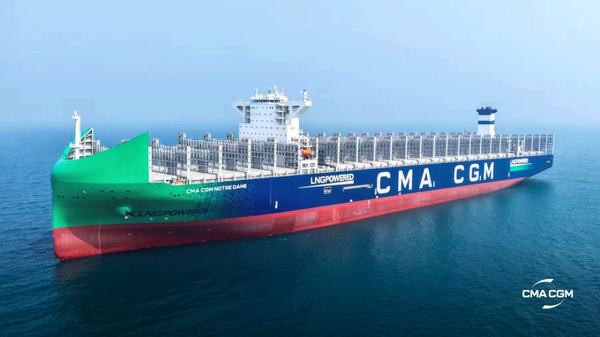
The terminal would store LNG to supply both shipping and industry and will be open to all parties interested in supplying the Swedish market. This will enable major environmental benefits with the switch from heavy fuel oil to gas.
Swedegas, which owns and operates the gas grid in south-west Sweden, and Royal Vopak, the world's leading independent provider of storage facilities for bulk liquids, have said that they will carry out a feasibility study for this LNG terminal. The
Port of Gothenburg also supports the initiative.
Commenting on the benefits of an LNG project,
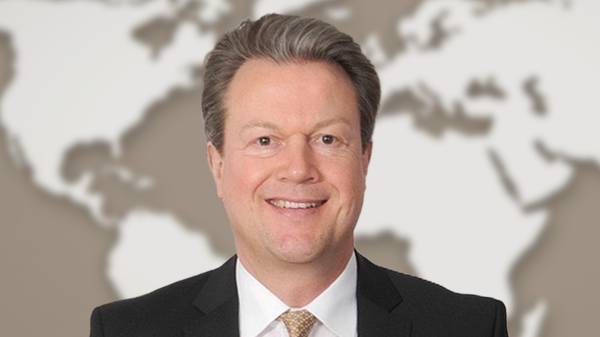
Lars Gustafsson, President of Swedegas AB said: "LNG is extremely interesting for shipping as an eco-friendly fuel. Also in industry, where there is a desire for environmental reasons to switch from oil and coal to natural gas, there is a demand for LNG. For the first time ever in Sweden, there is now the opportunity for LNG to become part of a more extensive infrastructure by linking the terminal to our gas grid. The infrastructure that is being developed for liquefied natural gas will in the future also work for liquefied biogas."
Open to all parties
An LNG terminal open to all parties is said to be key to enhancing competition in the Swedish natural gas market. Ownership and operation of energy infrastructures will be kept separate from producing and selling energy, a principle that complies with regulations and directives from the European Union. This makes the terminal in Gothenburg unique among existing and planned LNG terminals in Sweden.
Dirk van Slooten, Global Director of Vopak LNG, said that the objectives of Vopak as an independent owner and operator of terminals are well suited to the objectives of the LNG project in the Port of Gothenburg. "Our mutual objective is that Sweden has a safe and efficient LNG terminal which is open to all customers and that is fully dedicated to serve the needs of the market."
Major environmental benefits
LNG is natural gas that is cooled down to liquid form and is thus reduced in volume 600 times. This allows it to be transported by sea, rail and road and it can reach parts of the country that at present have no gas infrastructure.
An LNG terminal in Gothenburg could be of major strategic value, not only for the West Coast but also for industry in other parts of the country. A good example is
Bergslagen, where Swedish basic industry is in the process of replacing oil.
The terminal will significantly contribute to a cleaner environment. In 2015, stricter emission rules for shipping will be introduced in northern Europe. By using LNG, emission of sulphur and particles which are considered to be the greatest problems in the shipping industry, will be eliminated completely. Nitric oxide and carbon dioxide emissions will also be reduced substantially.
Magnus Kårestedt, Port of Gothenburg Chief Executive, said:" We welcome this initiative. Vopak LNG and Swedegas offer a strategic alliance with a strong combination of international experience and local market knowledge. The Port of Gothenburg has worked for a long time to be able to offer the shipping industry LNG 2015 by latest."
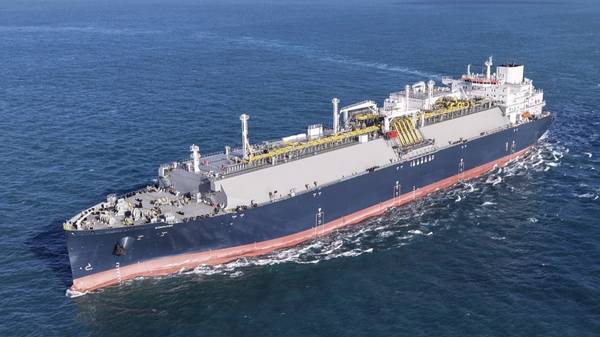
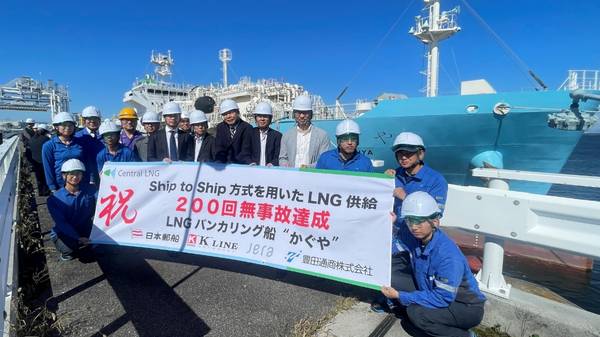
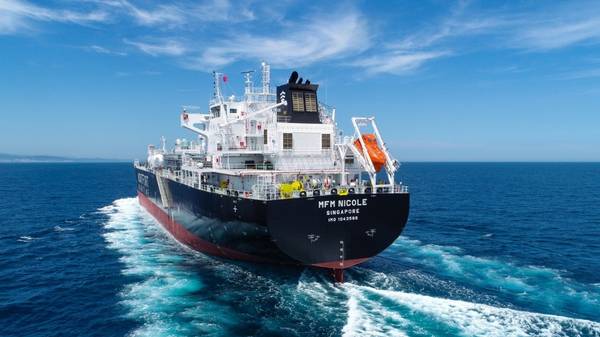
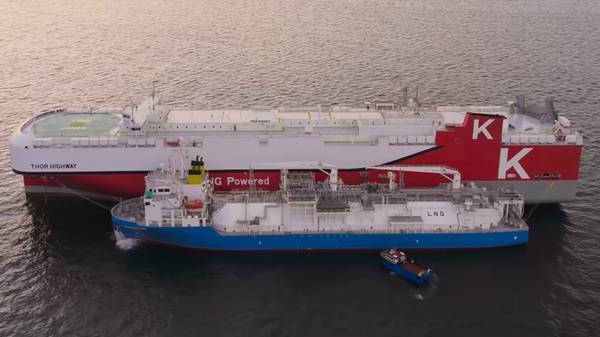
The Port of Gothenburg will be among the first major ports in the world where vessels will be able to refuel or bunker with LNG without having to enter a special terminal. As is the case today, bunkering will take place from a bunker vessel.
The planned tank capacity is 20,000 cubic metres, with further expansion potential, depending on future market demand. The initial throughput is estimated at around 0,5 billion cubic meter per annum (0,5 bcma).
Natural gas will be brought to the terminal by sea using special LNG vessels. The terminal will be open to all companies that are interested in supplying the Swedish gas market. The feasibility study, as agreed in the Letter of Intent, will include technical and financial parameters and is expected to be completed by the end of this year.