
|
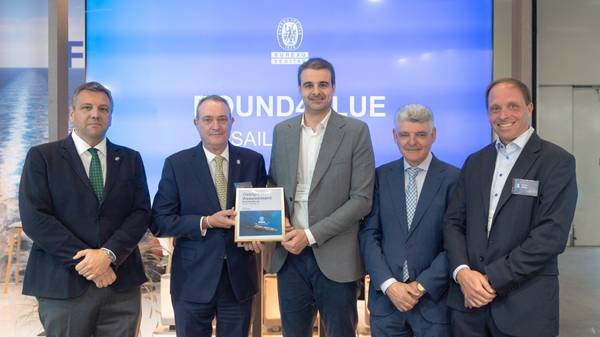
Bound4blue wins Bureau Veritas design assessment for Model 3-24 eSAIL at SMM 2026
Independent design assessment adds credibility as bound4blue’s suction sail fleet reaches 13 vessels. |
|
|
|
||
|
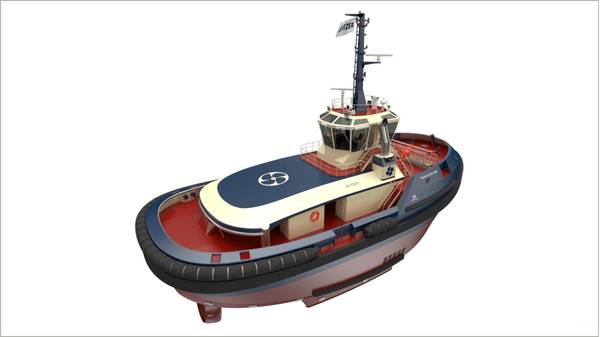
Svitzer orders six TRAnsverse 2900 biofuel-ready tugs from Cheoy Lee
Towage provider expands next-generation TRAnsverse fleet with fresh Hong Kong order. |
|
|
|
||
|
UK shipping bodies launch alternative fuels coalition to drive net zero transition
New cross-industry body aims to align fuels, infrastructure and policy for shipping decarbonisation. |
|
|
|
||
|
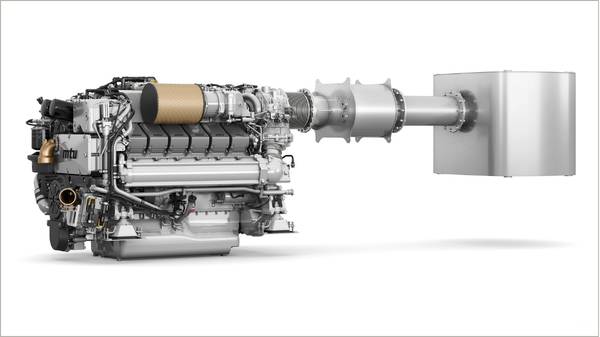
Rolls-Royce expands mtu yacht propulsion portfolio with variable-speed gensets and new SCR system
Rolls-Royce Power Systems launches two mtu Series 2000-based systems targeting efficiency and emissions compliance. |
|
|
|
||

|
Uni-Fuels seeks senior bunker trader in Houston following general manager hire
Bunker firm looking for candidate with proven track record in bunker trading. |
|
|
|
||
|
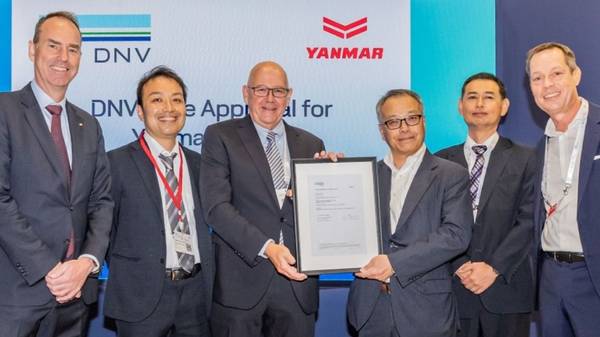
Yanmar Maritime receives DNV type approval for hydrogen fuel cell system at SMM
The GH-FC series certification is aimed at easing adoption of hydrogen propulsion across vessel types. |
|
|
|
||

|
Flex Commodities appoints senior marine fuels trader in Singapore
Euwyn Tan joins Flex Commodities to strengthen its marine fuels trading operations in Asia. |
|
|
|
||
|
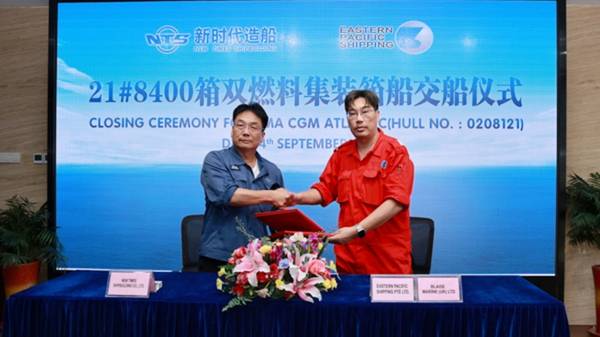
LNG dual-fuel boxship handed over to Eastern Pacific Shipping
Closing ceremony held in Jingjiang for 8,400-TEU container vessel. |
|
|
|
||

|
Everllence and Damen sign framework agreement for serial supply of 175D engines
Agreement covers high-speed engine supply for Damen’s fuel-flexible tug programme and beyond. |
|
|
|
||
|
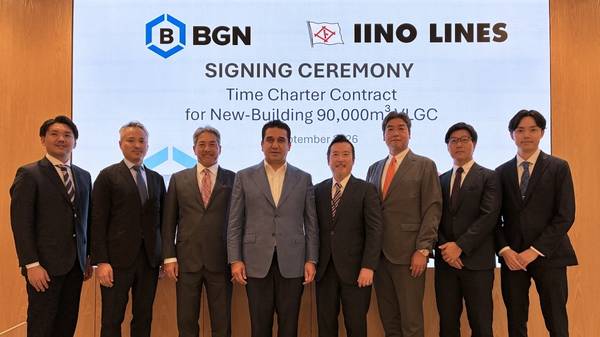
IINO Lines signs time charter deal with BGN for LPG dual-fuel VLGC
Japanese shipowner’s fourth LPG dual-fuel vessel will offer rare dual-canal Panama Canal transit capability. |
|
|
|
||
| UK shipping bodies launch alternative fuels coalition to drive net zero transition [News & Insights] |
| Rolls-Royce expands mtu yacht propulsion portfolio with variable-speed gensets and new SCR system [News & Insights] |
| Lloyd’s Register and MARIC unveil tri-fuel-ready tanker concept at SMM 2026 [News & Insights] |
| Nuclear-powered commercial shipping moves closer to reality after Washington summit [News & Insights] |
| Norwegian consortium launches WINTEGRATE project to advance wind-assisted ship propulsion [News & Insights] |

