
 |
The Nautical Institute Academy has launched an Engineering and Bunkering Assessors course aimed at helping maritime professionals carry out more effective assessments in high-risk shipboard environments, including engineering, mooring and bunkering operations.
The course, which was developed by industry professionals following a pilot phase, responds to what the organisation describes as growing industry demand for assessors capable of evaluating not only technical compliance but also behavioural competency, communication and operational performance.
According to The Nautical Institute, shipping companies are placing increasing emphasis on meaningful onboard assessments as regulatory expectations, vetting programmes and competency assurance systems continue to evolve.
The programme is aimed at engineers, experienced officers, safety officers, auditors, technical superintendents, marine consultants and surveyors involved in onboard assessments and competency assurance.
Course content covers behavioural traits within engineering operations, the differences between audit and assessment, how to assess safety-critical systems, structured reporting and feedback techniques, mentoring and follow-up processes, and the practical application of the ISM Code through case studies and exercises.
Somiyeh Djavanroodi, Head of Academy at The Nautical Institute, said: "The Engineering and Bunkering Assessors course reflects our commitment to delivering industry-led education that addresses real operational needs. It equips experienced engineers and assessors with the skills to go beyond compliance, combining technical expertise with an understanding of the human element to carry out meaningful and effective shipboard assessments."
Participants who complete the course, assignments and final assessment will receive certification from The Nautical Institute. The first online course is scheduled to run from 15-19 June 2026.

|
IBT Bunkering & Trading appoints Sales Support Specialist
Björn Hauschild joins from shipyard broker CombiTrade. |
|
|
|
||
|
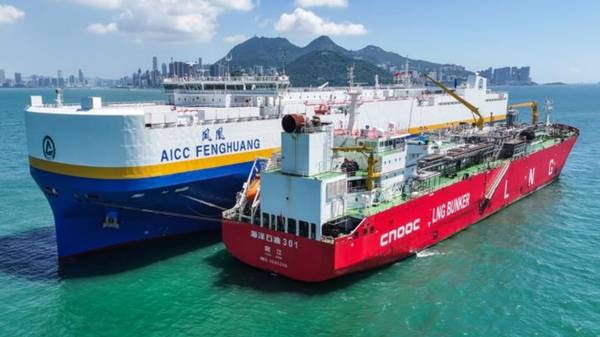
CLPe and CNOOC complete Hong Kong's first LNG bunkering of a pure car and truck carrier
Ship-to-ship operation delivered around 2,600 cbm of LNG to dual-fuel vessel AICC Fenghuang. |
|
|
|
||
|
Mercuria seeks senior sales and account manager for bunker delivery platform
Role can be based either remotely or at one of its offices in London, Geneva, Athens or Las Palmas. |
|
|
|
||
|
Molgas Energy Group appoints Riaan van Kralingen as head of clean fuels
Van Kralingen will oversee the company's liquefied biomethane and EU allowance portfolios, succeeding Caspar Gooren. |
|
|
|
||
|
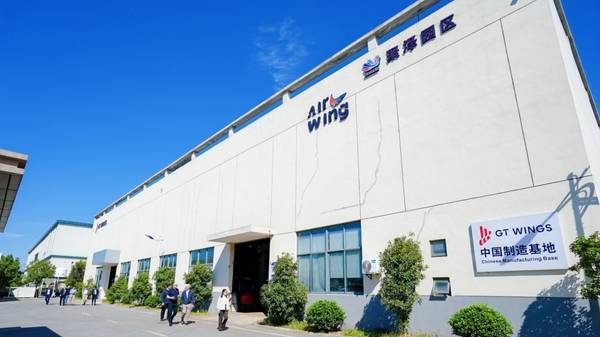
GT Wings launches compact AirWing S Jet Sail for smaller vessels
Wind propulsion developer adds lightweight unit to AirWing range as first customer-ordered AirWing20 units near completion. |
|
|
|
||
|
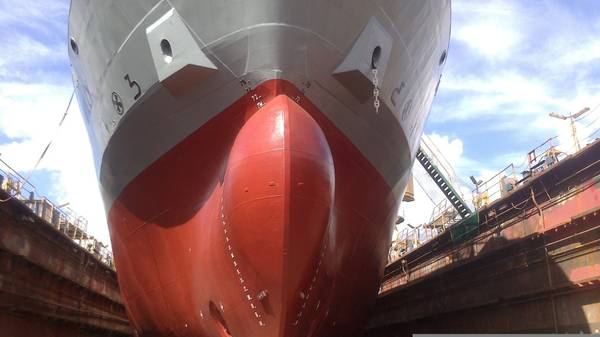
LR publishes retrofit guidance covering alternative fuels and energy-saving devices in one framework
New Guidance Notes address LNG, methanol, ammonia, hydrogen, wind-assisted propulsion and air lubrication retrofits for existing ships. |
|
|
|
||
|
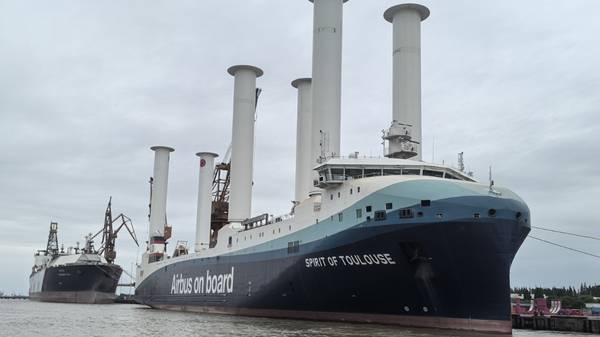
LD Armateurs' Spirit of Toulouse fitted with six Norsepower rotor sails
Six 35m rotor sails installed on the first of three methanol-capable ro-ro ships chartered by Airbus. |
|
|
|
||
|
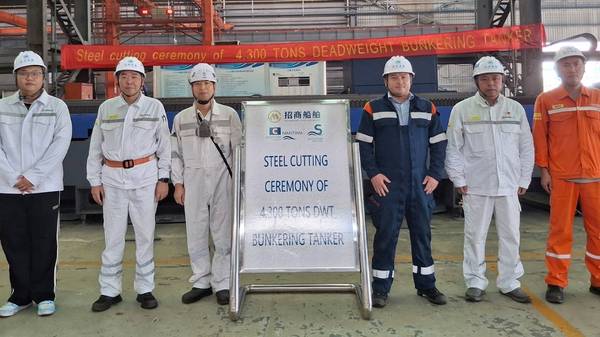
Maritima holds steel-cutting ceremony for Cap Morgiou, first of two Petroineos bunker vessels
Construction starts on bunker vessel able to carry conventional and low-carbon marine fuels, with delivery expected in early 2028. |
|
|
|
||
|
Singapore launches series of measures at SIBCON 2026
MPA announces LNG storage licences, digital bunkering grants and electric harbour craft incentives at 24th conference. |
|
|
|
||

|
VPS outlines marine fuel standards and quality data at SIBCON 2026
VPS's Rahul Choudhuri addresses Singapore's evolving fuel standards and the quality of conventional fuels and biofuels. |
|
|
|
||
| GT Wings launches compact AirWing S Jet Sail for smaller vessels [News & Insights] |
| Wagenborg launches first EasyMax 2.0 vessel, prepared for methanol, ammonia and LNG [News & Insights] |
| ClearMariner expands maritime sanctions screening with ESG, emissions and API support [News & Insights] |
| New Times Shipbuilding launches 299,500-DWT LNG dual-fuel crude oil tanker [News & Insights] |
| Changhong International launches fifth 115,000-tonne product tanker for Navios [News & Insights] |
