
|
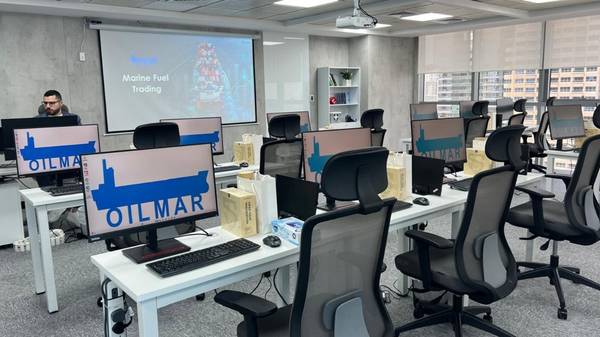
Oilmar welcomes summer intern to Dubai branch
Arpit Aryan will rotate across the bunker fuel trading, finance and operations departments. |
|
|
|
||

|
Oilmar takes on trading and finance intern in Dubai
New intern to rotate across trading, operations and finance teams. |
|
|
|
||
|
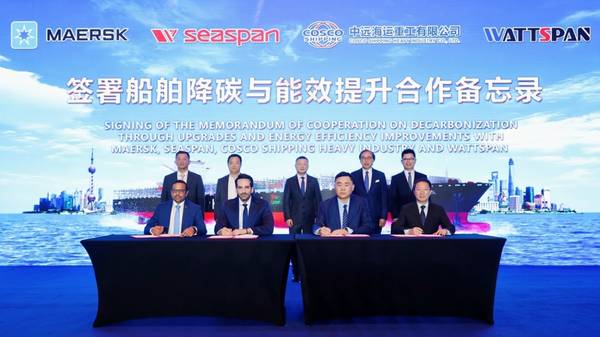
Seaspan and Maersk deepen fleet efficiency collaboration with $75m upgrade programme
Retrofit package for four 13,000-teu vessels includes installation of shaft generator to reduce auxiliary engine fuel consumption. |
|
|
|
||

|
EU Parliament vote on soy biofuels could expose bloc to $5.6bn a year in trade sanctions
MEPs reject regulation that would have phased out soy biofuels, risking WTO retaliation penalties. |
|
|
|
||
|
Peninsula and Itochu form joint venture to develop ammonia bunkering in Europe
The two companies will initially focus on major European and Mediterranean port hubs. |
|
|
|
||

|
Flex Commodities appoints compliance analyst with Morgan Stanley background
Dubai-based bunker trader hires onboarding specialist to bolster compliance team. |
|
|
|
||
|
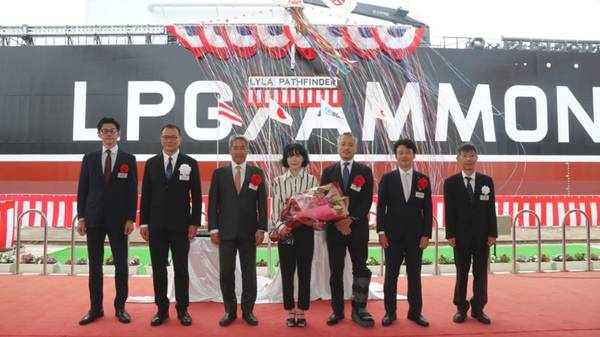
NYK names eighth dual-fuel LPG carrier at Kawasaki Heavy Industries yard
Lyla Pathfinder is capable of operating on both heavy fuel oil and LPG. |
|
|
|
||
|
Verde Marine Energy and Eleven Energy formalise strategic collaboration
Alliance combines physical supply capabilities with an expanding international trading business. |
|
|
|
||

|
US Federal Maritime Commission chair to keynote IBIA Convention 2026 in New York
Laura DiBella to address marine fuel industry leaders on regulation and market direction. |
|
|
|
||
|
Longer drains, lower cost: The role of oil analysis of synthetic engine oils | Joe Star, VPS
VPS recommends robust oil analysis programme for the safe extension of drain intervals. |
|
|
|
||
| IBIA opens voting for board elections with 11 candidates competing for four positions [News & Insights] |
| Compagnie Maritime Nantaise wins Bpifrance backing for space logistics vessel decarbonisation project [News & Insights] |
| Galveston LNG Bunker Port signs vessel partnership with TOTE Services [News & Insights] |
| NYK operates methanol-fuelled bulk carrier for BHP, claims 65% emissions cut [News & Insights] |
| Anemoi Marine Technologies appoints Lloyd’s Register technical director to oversight committee [News & Insights] |

