
 |
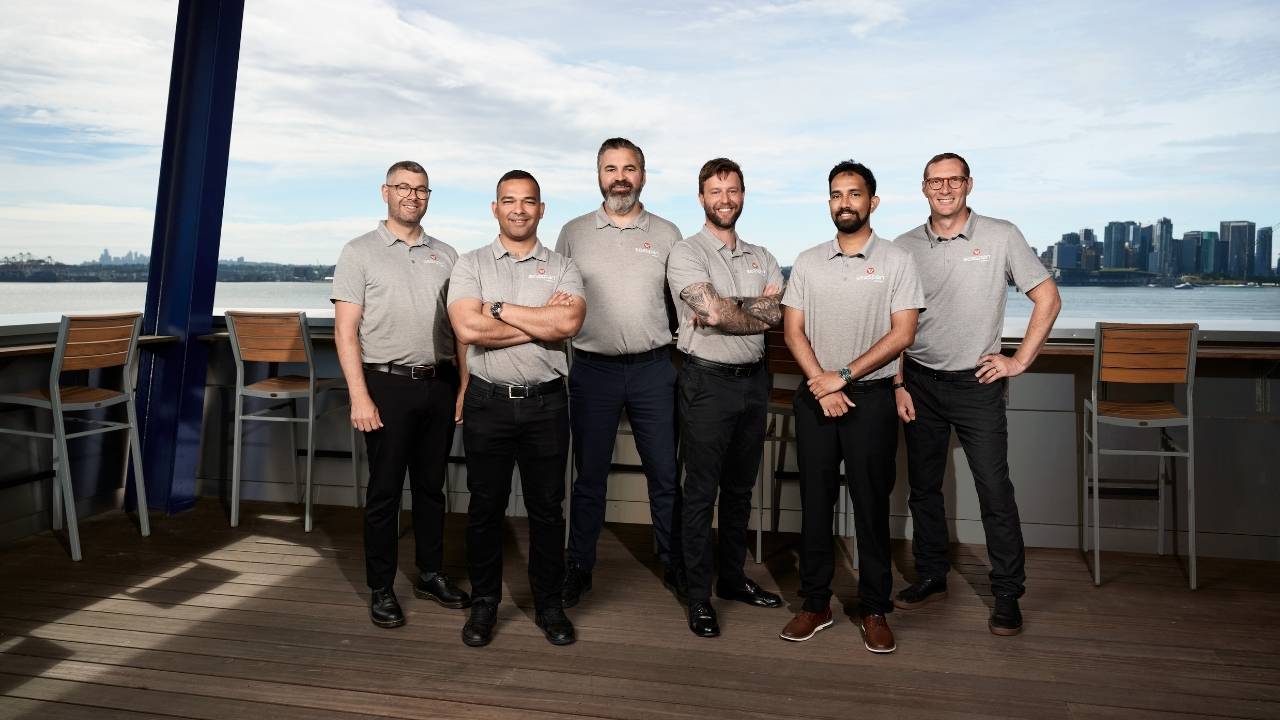
Seaspan Energy reports that it has completed its 150th ship-to-ship LNG bunkering operation less than two years after launching services.
The North Vancouver-based company carried out its first ship-to-ship LNG bunkering at the Port of Long Beach in December 2024, and has since scaled up to an average of 12 operations per month across ports on North America’s West Coast.
With all three of its LNG bunker vessels now operational, Seaspan Energy serves cruise ships, container ships, car carriers and tankers at the ports of Vancouver, Nanaimo, Royal Roads, Long Beach and Seattle. The company sources its LNG from FortisBC’s Tilbury LNG facility in British Columbia.
More than half of Seaspan Energy’s LNG bunkering operations have taken place at the Port of Vancouver, according to the firm.
Harly Penner, President of Seaspan Energy, stated: “Completing 150 LNG bunkering operations in just 18 months is an incredible achievement for our team. This milestone reflects the hard work and commitment of our vessel crews and shoreside staff, who have built a reputation for delivering safe, reliable LNG bunkering. I am incredibly proud of what we have accomplished together and grateful for the trust our global customers continue to place in our team.”
Jeff Scott, Vice President, Operations and Supply Chain at Vancouver Fraser Port Authority, commented: “The rapid growth of LNG bunkering at the Port of Vancouver reflects the shipping industry’s focus on decarbonisation. As Canada’s largest port, we are working with industry partners to facilitate safe and efficient bunkering operations that support the transition to lower-emission marine fuels. Congratulations to Seaspan Energy on this latest milestone and for paving the way together with cruise and shipping lines for the adoption of alternative marine fuels at the Port of Vancouver.”
Ian Finke, Director, LNG Commercial and Capital Development at FortisBC, said: “Reaching 150 LNG bunkering operations demonstrates how quickly LNG bunkering is becoming established on North America’s West Coast. FortisBC is proud to provide the locally produced LNG that supports Seaspan Energy’s operations and to work alongside industry partners to help build a more resilient and lower-emission marine fuel supply chain.”
Seaspan Energy is part of Seaspan Marine, a group of Canadian companies involved in ship assist, coastal and deep-sea transportation, ferry services and fuel bunkering on the West Coast of North America.
|
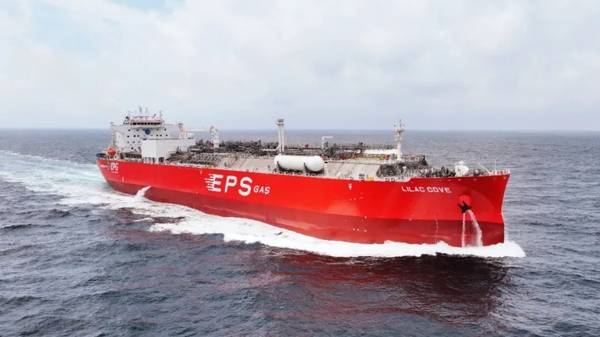
Jiangnan delivers second LPG dual-fuel VLAC in series to Singapore’s EPS
Lilac Cove, the world’s largest liquid ammonia carrier, joins Ivy Cove as Jiangnan advances its six-ship VLAC programme. |
|
|
|
||
|
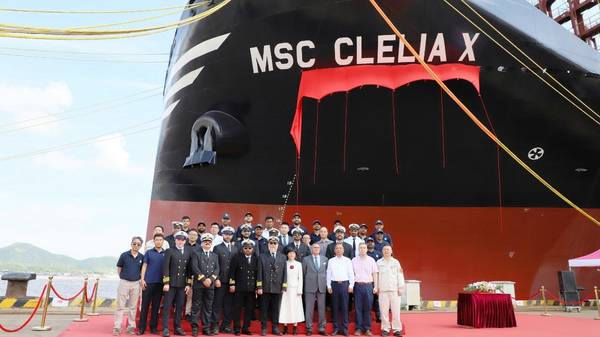
MSC LNG dual-fuel container ship delivered almost a year early
Chinese shipbuilder hands over sixth 10,300-TEU vessel in series to MSC ahead of contract schedule. |
|
|
|
||
|
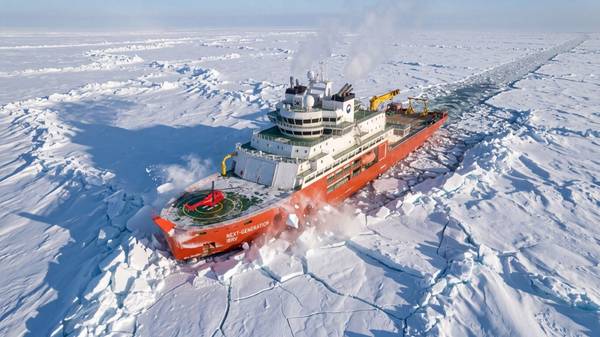
Steel cutting marks start of construction on dual-fuel icebreaking research vessel
Hanwha Ocean begins building a dual-fuel LNG/MGO icebreaker for the Republic of Korea’s Ministry of Oceans and Fisheries, due for delivery in 2030. |
|
|
|
||
|
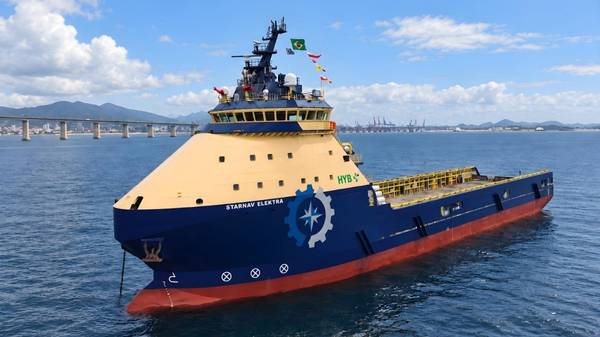
Petrobras christens first vessel under Mar Aberto fleet renewal programme
Platform supply vessel Starnav Elektra, built in Santa Catarina with an all-female crew, marks the first delivery under the fleet initiative. |
|
|
|
||
|
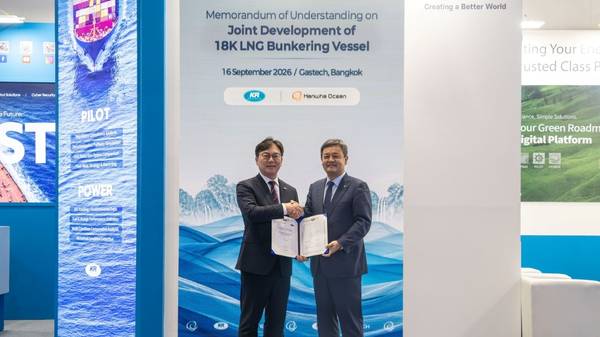
KR and Hanwha Ocean agree to develop 18,000-cbm LNG bunkering vessel designs
Pair will jointly explore two design concepts for a new LNG bunkering vessel. |
|
|
|
||
|
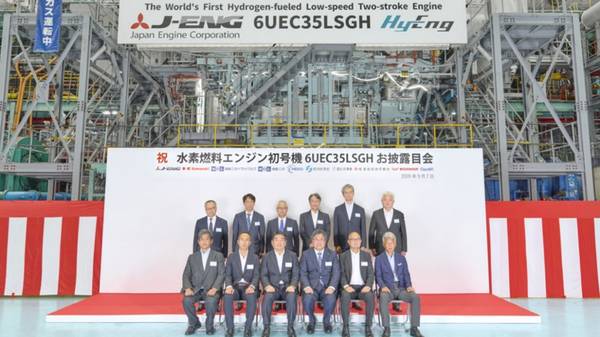
Japan Engine completes land-based testing of landmark hydrogen-fuelled engine for large vessels
Hydrogen co-firing rate of at least 95% achieved during factory testing. |
|
|
|
||
|
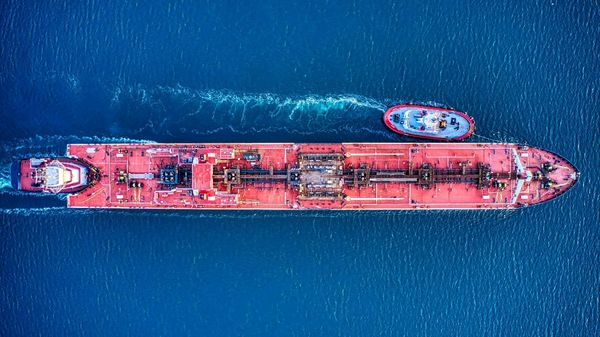
Ethanol edges into shipping’s fuel mix as methanol crossover eases adoption barriers
Rising interest from cargo owners, shared technology with methanol and Brazilian production growth push ethanol beyond regional niche status. |
|
|
|
||
|
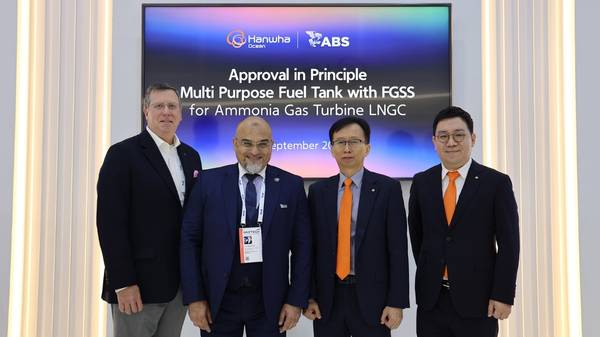
ABS grants Hanwha Ocean approval for dual-fuel tank enabling LNG-to-ammonia switch
In-principle approval awarded for fuel tank and supply system enabling LNG carriers to convert to ammonia without replacement. |
|
|
|
||
|
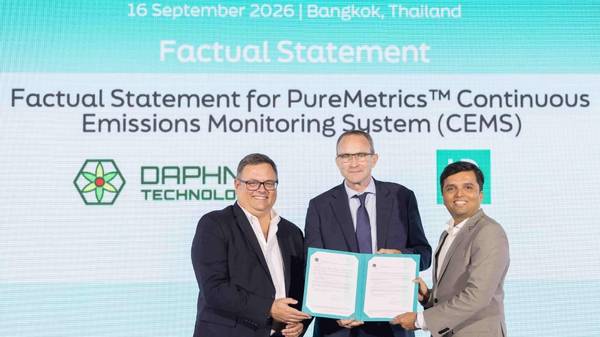
Lloyd's Register confirms suitability of Daphne Technology's emissions monitoring system
Factual Statement validates the PureMetrics design for monitoring greenhouse gas emissions from marine engines. |
|
|
|
||

|
IMO issues shipboard biofuel blend checklist developed by IBIA
Checklist for FAME-based biofuels formally incorporated into IMO document, supporting crews handling biofuel blends for the first time. |
|
|
|
||
| Japan Engine completes land-based testing of landmark hydrogen-fuelled engine for large vessels [News & Insights] |
| Baleària Canarias completes first truck-to-ship LNG bunkering for fast ferry at Tenerife [News & Insights] |
| World's first operational ammonia bunker vessel enters service [News & Insights] |
| MOL names world’s first LNG carrier fitted with wind-assisted propulsion for Chevron charter [News & Insights] |
| Burando Energies completes first physical bunker operation in Norway [News & Insights] |
