
 |
NorthStandard has released a new white paper examining the rapid uptake of biofuels in commercial shipping, as the marine insurer confirms it has received its first biofuel quality-related claims.
In a press release dated 26 February, the organisation announced publication of 'Biofuels – Driving the green transition,' a discussion document bringing together expertise from NorthStandard, supplier World Fuel and testing agency Veritas Petroleum Services (VPS). The paper explores adoption trends, operational risks and loss prevention measures linked to biofuel use.
Mark Smith, Loss Prevention Director – NNE and Decarbonisation at NorthStandard, said: “NorthStandard has already received a first batch of biofuel quality-related claims, as well as several enquiries on the proof of sustainability (PoS) and supporting documentation required to verify compliance.”
According to the white paper, biofuel sample testing conducted by VPS increased twelvefold between 2021 and 2025, reaching more than 1 million mt. Blends containing a 5%-10% bio component are already widely used by owner-operators seeking a drop-in solution to support maritime decarbonisation without significant vessel modifications.
The paper highlights tightening regulatory requirements under FuelEU Maritime. Ships were required to reduce greenhouse gas (GHG) intensity by 2% last year, with a 6% reduction required by 2030. The targets rise to 14.5% by 2035 and up to 80% by 2050, indicating that higher biofuel blend ratios will likely be necessary.
It further notes that a 30%-40% bio component is broadly aligned with the International Maritime Organization target for a 65% reduction in well-to-wake GHG intensity by 2040, compared to 2008 levels.
Smith said: “Biofuels remain the leading short-term decarbonisation pathway for shipping, and regulatory tightening, rapid demand growth, and increasingly diverse feedstocks mean that buyers must implement stronger due diligence.”
Delivered in a question-and-answer format, the white paper places significant emphasis on fuel quality management. It warns that fuels marketed as B100 (100%) biofuel may, in some cases, prove to be blends, potentially resulting in inconsistent or unpredictable performance.
For lower-percentage blends, buyers are advised to confirm whether the bio component consists of fatty acid methyl esters (FAME), hydrotreated vegetable oil (HVO) or alternative feedstocks such as cashew nut shell liquid (CNSL).
Michael Green, Senior Quality Manager at World Fuel, stated: “In an ideal world, owners would use HVO given its similarities to traditional marine diesel fuels. But from a supply perspective, availability and overall cost are two major challenges. HVO is used widely in other transport sectors, and as such availability for marine is likely to be limited.”
Green added: “Robust and transparent development protocols, overseen by industry bodies such as ISO and CIMAC, will be vital as new and different types of ‘bio’ are used to fill the availability gap.”
The expert group advises that no biofuel should be transferred until the Union Database (UDB) transaction ID has been provided. Once available, the ID should also be digitally linked to the bunker delivery note.
NorthStandard was formed through the merger of North P&I Club and the Standard Club in February 2023. The insurer reports premium revenues close to US$900 million, free reserves of more than US$800 million and mutual pool tonnage surpassing 270 million gross tonnes (GT). It is a member of the International Group of P&I Clubs (IG).
|
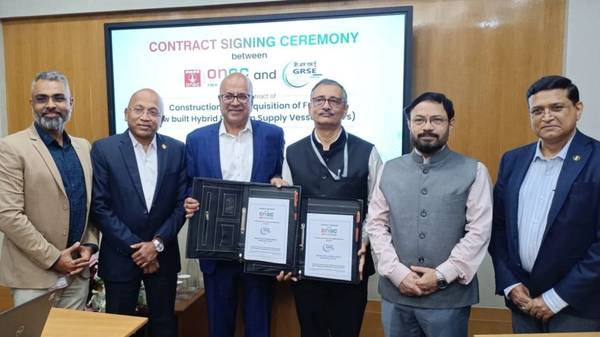
GRSE signs contract with ONGC to build four hybrid platform supply vessels
Indian shipbuilder adds offshore support vessels to its portfolio with hybrid propulsion contract for state oil firm. |
|
|
|
||
|
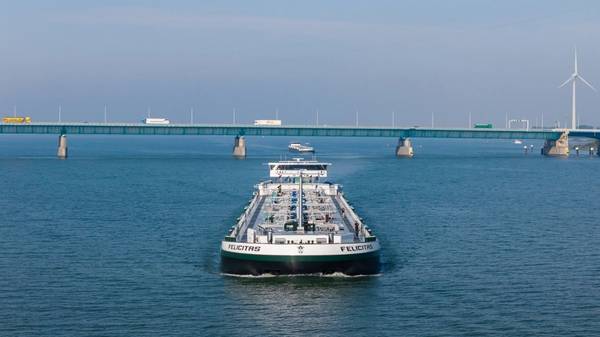
AMS Barging christens methanol-ready tanker as fleet reaches 17 vessels
Dutch inland shipping company adds 9,000-cbm diesel-electric tanker Felicitas, designed for future conversion to methanol bunkering. |
|
|
|
||
|
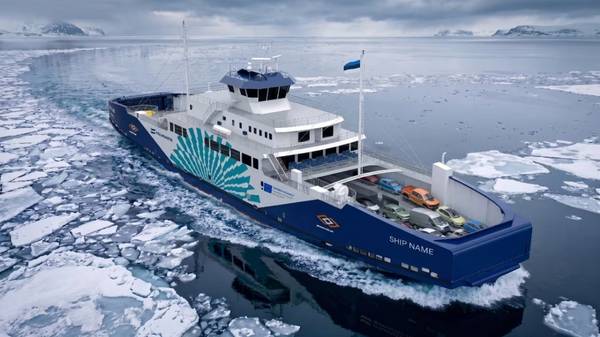
Steerprop to supply next-generation CRP units for Estonia's first electric ferry
Finnish propulsion specialist Steerprop will equip a CRIST-built electric ferry with upgraded contra-rotating propeller technology for the Estonian State Fleet. |
|
|
|
||
|
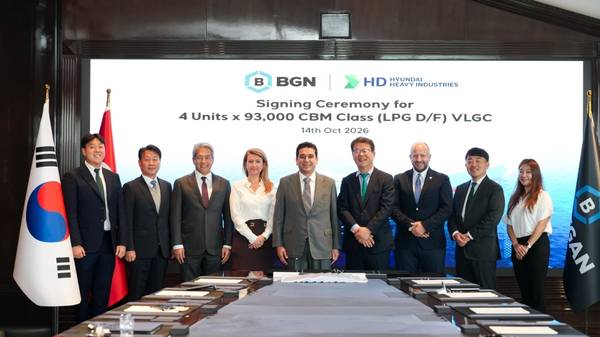
BGN orders four more dual-fuel LPG carriers from HD Hyundai Heavy Industries
New contract brings BGN's 2026 orders with HD HHI to 10 vessels and will increase its owned VLGC fleet to 23 ships. |
|
|
|
||
|
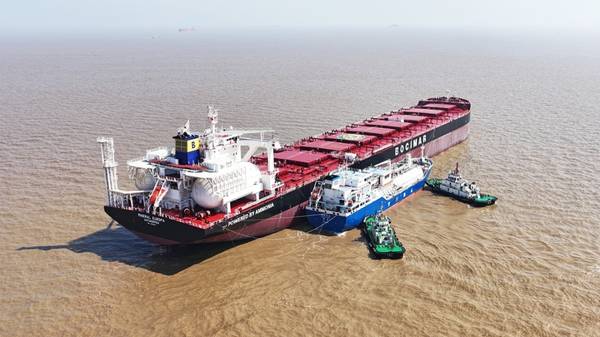
World's first ship-to-ship green ammonia bunkering operation completed in China
Shenghang Yongle supplied 1,000 tonnes of green ammonia to CMB.Tech's Mineral Europa, connecting the fuel's full supply chain. |
|
|
|
||
|
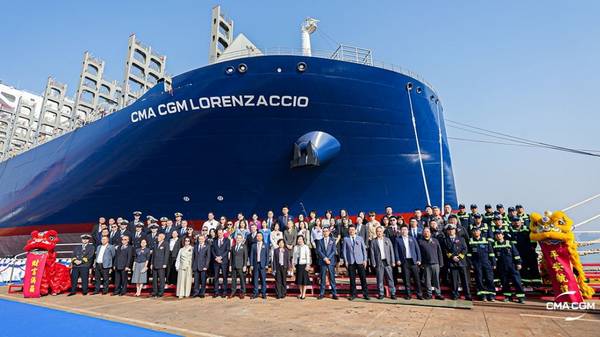
15,000-TEU methanol-powered boxship named CMA CGM Lorenzaccio
French carrier adds literature-inspired vessel to its methanol-powered fleet for deployment on the REX2 service. |
|
|
|
||
|
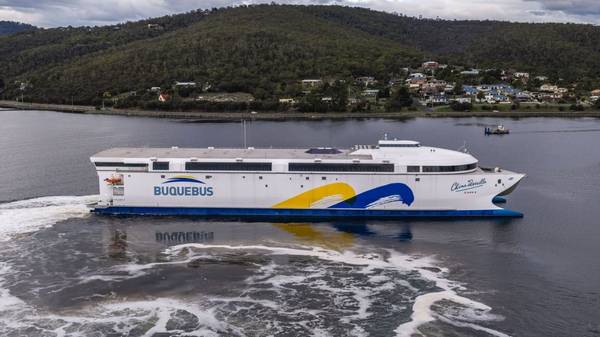
Battery-electric ferries grow in scale as aluminium multihulls gain market share
DNV highlights the rise of battery-electric aluminium ferries, spotlighting the delivery of the world's largest such vessel. |
|
|
|
||
|
IBT Bunkering & Trading appoints Sales Support Specialist
Björn Hauschild joins from shipyard broker CombiTrade. |
|
|
|
||
|
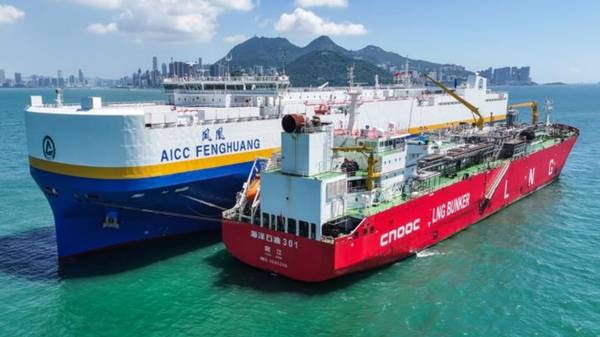
CLPe and CNOOC complete Hong Kong's first LNG bunkering of a pure car and truck carrier
Ship-to-ship operation delivered around 2,600 cbm of LNG to dual-fuel vessel AICC Fenghuang. |
|
|
|
||
|
Mercuria seeks senior sales and account manager for bunker delivery platform
Role can be based either remotely or at one of its offices in London, Geneva, Athens or Las Palmas. |
|
|
|
||
| BIMCO to convene for adoption of biofuel clause and ETS provisions at February meeting [News & Insights] |
| IMO seminar examines biofuels’ role in maritime decarbonisation [News & Insights] |
| Chimbusco Pan Nation delivers 170,000 tonnes of marine biofuel in China in 2025 [News & Insights] |
| Study finds methanol dual-fuel retrofit of Kamsarmax bulk carrier would take about 75 days [News & Insights] |
| Nuclear-powered LNG carriers cost more upfront but cut lifetime fuel bills, ABS-backed study finds [News & Insights] |
| Electric and hybrid ferries could cut Sea of Marmara emissions by 63%, IMO study finds [News & Insights] |
| Batumi Sea Port officials study decarbonisation practices in Hamburg [News & Insights] |
| Lloyd’s Register study backs 200,000-cbm LNG carriers for fleet renewal [News & Insights] |
