|
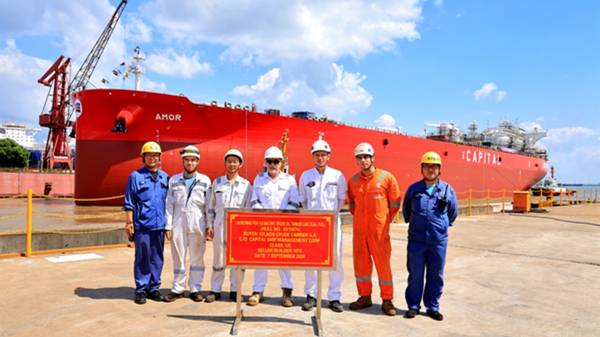
LNG dual-fuel crude oil tankers launched for Maran and Capital Ship
Two 155,500-DWT vessels launched by New Times Shipbuilding in China. |
|
|
|
||
|
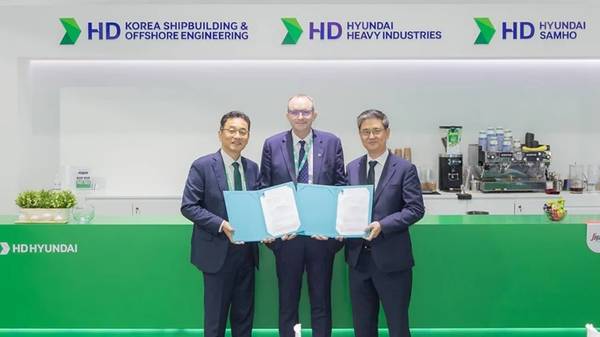
LR, HHI and KSOE sign an AiP to advance hybrid electric LNG carrier design
Partners to focus on system architecture, redundancy and battery integration for a 185,000-cbm vessel. |
|
|
|
||
|
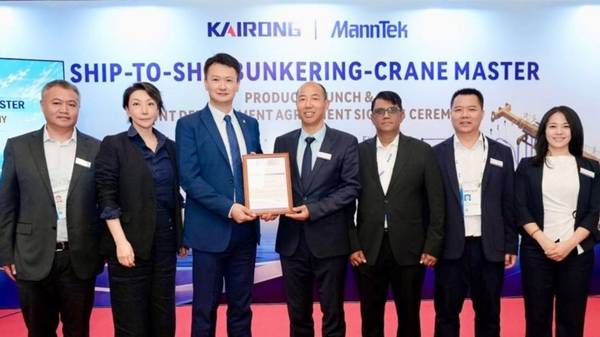
Bureau Veritas awards AiP to Kairong and MannTek for LNG bunkering crane system
Integrated crane and bunkering system unveiled at Gastech 2026 in Bangkok. |
|
|
|
||
|
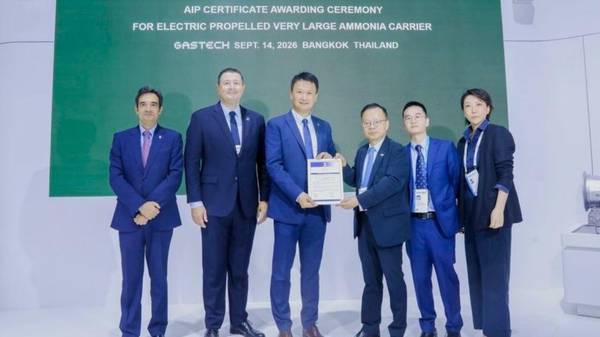
Bureau Veritas grants AiP to Jiangnan Shipyard's electric-propelled ammonia carrier concept
VLAC design combines ammonia-fuelled power, fuel cells, battery storage and wind propulsion. |
|
|
|
||
|
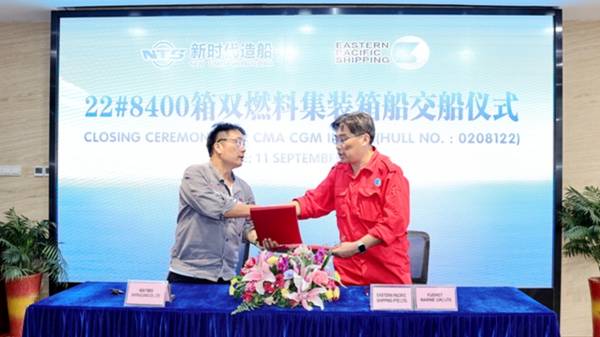
LNG dual-fuel container ship delivered to Eastern Pacific Shipping
8,400-TEU vessel handed over in ceremony held at yard in Jingjiang. |
|
|
|
||
|
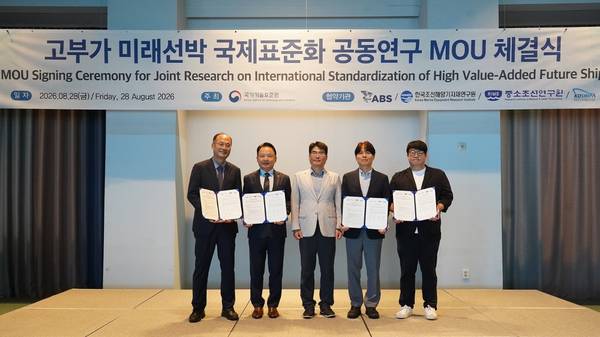
ABS signs MOU with Korean organisations to develop standards for hydrogen ships and smart shipyards
Five-year framework will target ISO standards for hydrogen vessels, smart shipyards and advanced manufacturing. |
|
|
|
||
|
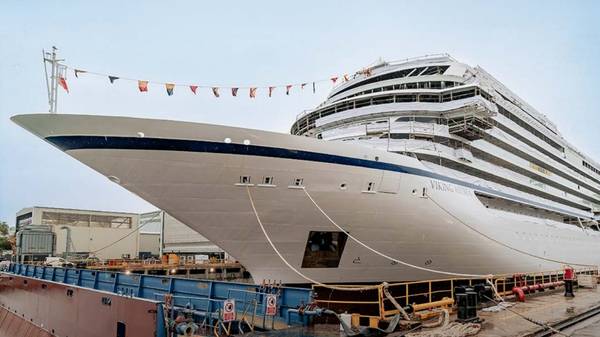
Fincantieri launches Viking Astrea with liquid-hydrogen propulsion at Ancona shipyard
54,300-gt cruise ship is designed for zero-emission operation using fuel cells. |
|
|
|
||
|
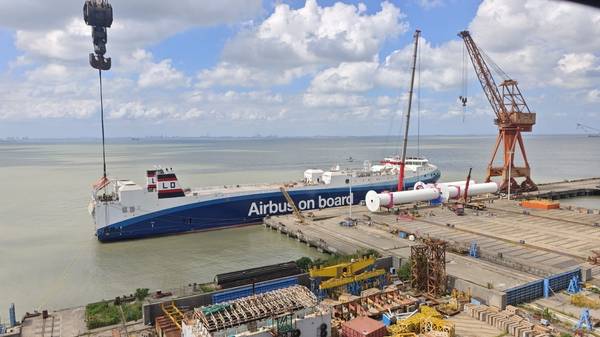
Norsepower installs first rotor sail aboard methanol-powered ro-ro vessel built for Airbus charter
The Spirit of Toulouse will carry six rotor sails alongside dual-fuel methanol engines on a transatlantic route. |
|
|
|
||
|
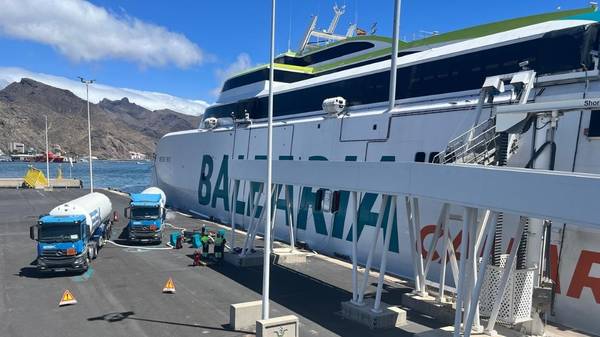
Baleària Canarias completes first truck-to-ship LNG bunkering for fast ferry at Tenerife
Mercedes Pinto received around 600 MWh of LNG via two tanker trucks simultaneously. |
|
|
|
||
|
O Bunkering claims 15-minute marine lubricant delivery at Duqm
Omani supplier says local stock enables rapid turnaround for vessel operators. |
|
|
|
||
| Singapore bunker sales up YTD despite September slip [News & Insights] |
| Singapore records second-highest annual bunker sales [News & Insights] |
| Flexibility, not fuel choice, is key to energy transition, says Auramarine [News & Insights] |
| WinGD modelling shows retrofit pathways to net zero can pay off, but policy support remains key [News & Insights] |
| Petrobras receives authorisation for export bunker sales by barge at Suape [News & Insights] |
| Petrobras receives authorisation for export bunker sales by barge at Suape [News & Insights] |
| GCMD outlines practical approach to quantity assurance in marine biofuel supply chains [News & Insights] |