|
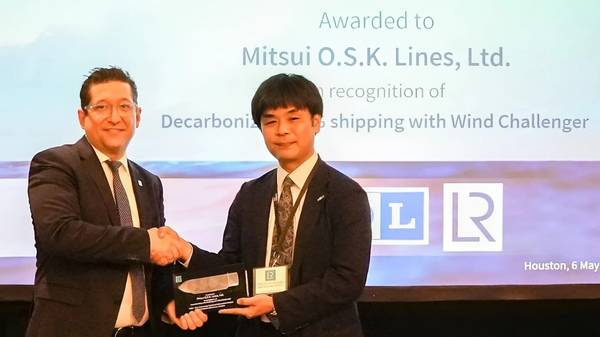
MOL wins LR technology award for wind-assisted propulsion on LNG carriers
Lloyd’s Register honours Mitsui O.S.K. Lines for its Wind Challenger decarbonisation work. |
|
|
|
||
|
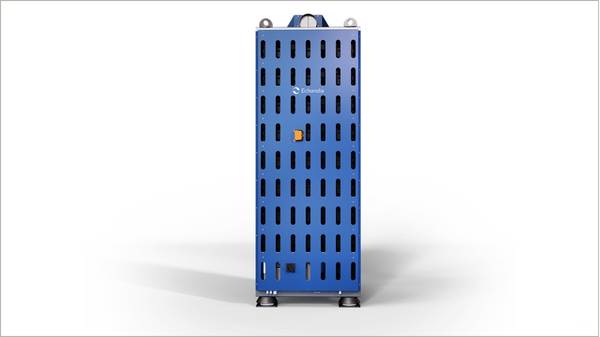
Echandia to supply battery system for Incat’s new 78-metre hybrid ferry
Swedish battery maker Echandia wins first order from Australian high-speed ferry builder Incat. |
|
|
|
||
|
Global Risk Management posts $9.4m pre-tax profit amid low-volatility energy markets
Danish hedging firm grows client base and broadens product range despite subdued market conditions. |
|
|
|
||
|
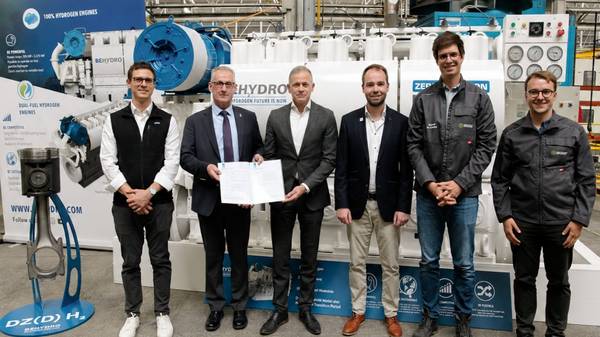
Lloyd’s Register grants first type approval for 100% hydrogen marine engine
BeHydro’s spark-ignited engine, tested in Ghent, operates entirely on hydrogen without pilot fuel. |
|
|
|
||
|
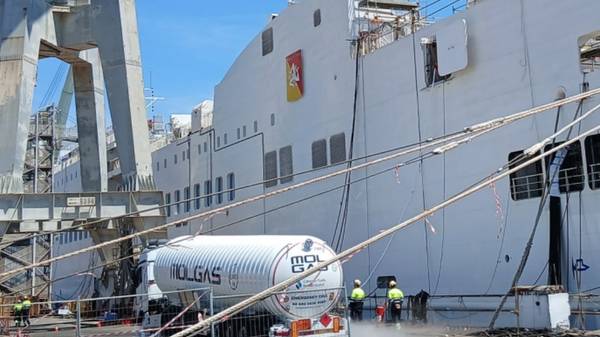
Molgas completes first LNG bunkering operation at Palermo
Spanish energy firm carries out maiden LNG delivery at Sicilian port. |
|
|
|
||
|
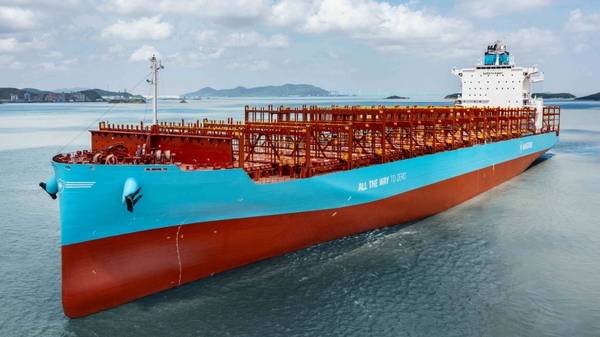
Tsuneishi China delivers third methanol dual-fuel boxship in series
Zhoushan shipbuilder hands over another 5,900-teu Maersk container vessel. |
|
|
|
||
|
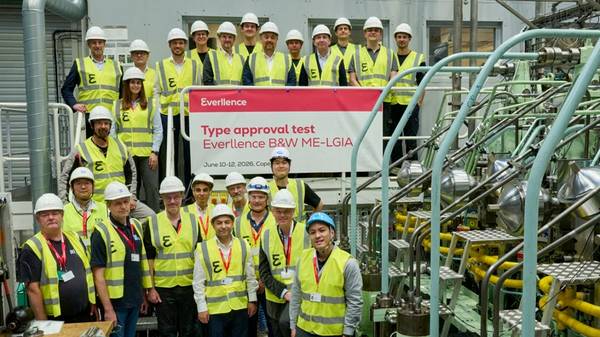
Everllence completes type approval test for ammonia engine ahead of sea trials
Eight classification societies oversee testing of ME-LGIA ammonia engine at Copenhagen research centre. |
|
|
|
||
|
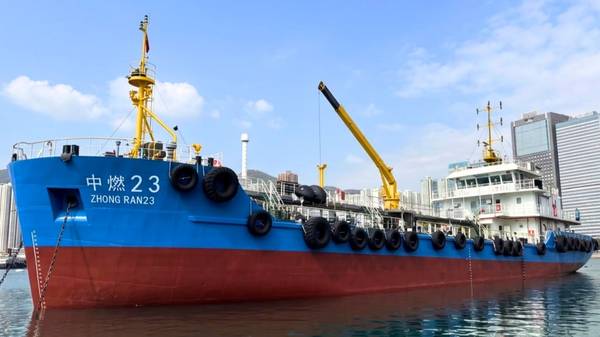
CPN bunker barge becomes first vessel listed under Hong Kong’s new quality bunkering scheme
Zhong Ran 23 achieves listing under the Marine Department’s voluntary mass flow metering initiative. |
|
|
|
||
|
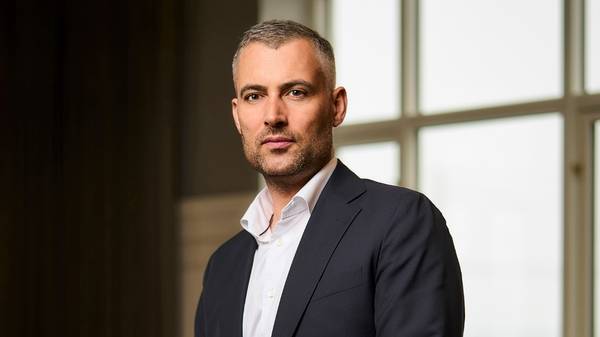
Bunker Holding posts $73m pre-tax profit amid geopolitical headwinds and board overhaul
Marine fuels exceeds its own expectations despite 4% revenue decline. |
|
|
|
||
|
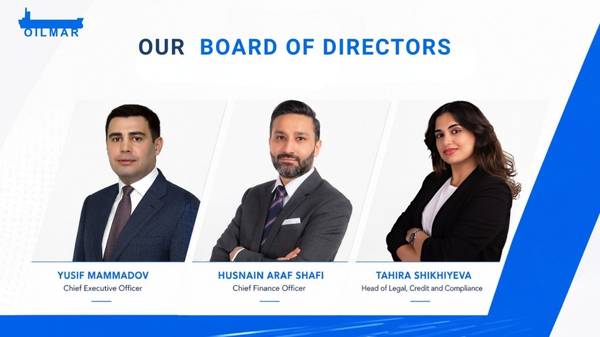
Oilmar formalises governance structure with establishment of board of directors
Dubai-based marine fuels trader Oilmar appoints three-member board. |
|
|
|
||
| Unicore Fuel hiring supply operator for Singapore bunker operations [News & Insights] |
| Bunker Holding promotes Mikkel Kannegaard to chief operating officer [News & Insights] |
| Bunker Holding seeks risk specialist for Copenhagen internal pricing desk [News & Insights] |
| USTC files press complaint against Ekstra Bladet over Nordic Waste coverage [News & Insights] |
| Maersk Tankers CEO Tina Revsbech joins Bunker Holding board [News & Insights] |