|
Uni-Fuels appoints general manager for new Houston operation
Experienced professional Robert Love aiming to expand the company’s presence in the United States. |
|
|
|
||

|
Sing Fuels hiring junior supply trader for Singapore operations
Role aimed at candidates with one to two years of experience in marine fuels or the wider maritime industry. |
|
|
|
||
|
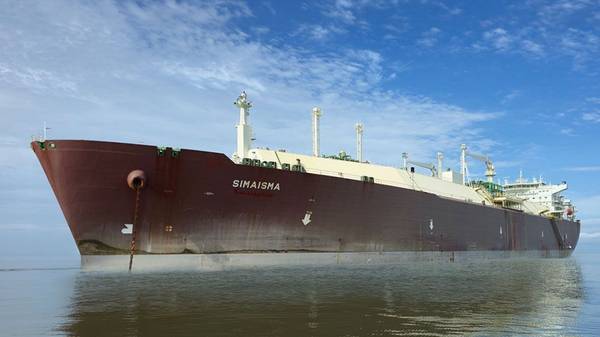
Exmar takes delivery of LNG carrier to serve the bunkering market
Vessel to be convered into a floating transshipment unit for specialised LNG bunkering vessels to load fuel. |
|
|
|
||
|
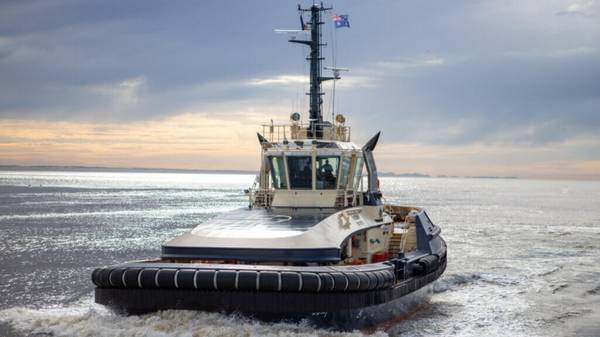
Svitzer signs contract with India’s SDHI for four biofuel-ready TRAnsverse tugs
Four 32-metre TRAnsverse 3200 tugs ordered from Gujarat-based shipbuilder. |
|
|
|
||
|
Petrobras launches barge supply operations at the Port of Suape
Supplier has begun VLSFO and LSMGO barge deliveries at the Brazilian port following receipt of final operational licences. |
|
|
|
||
|
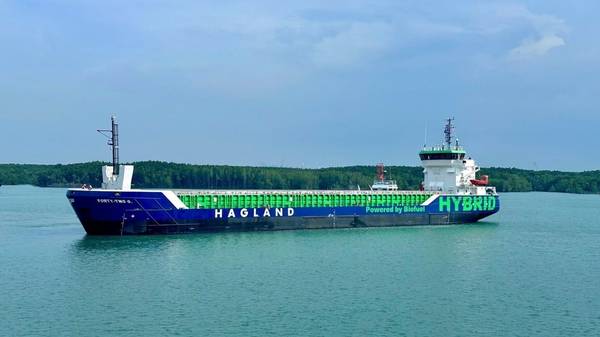
Hagland Shipping takes B100-capable Damen CF 3850 on time charter from Reederei Gerdes
Norwegian dry bulk operator adds short-sea vessel with the ability to operate on B100 biodiesel. |
|
|
|
||
|
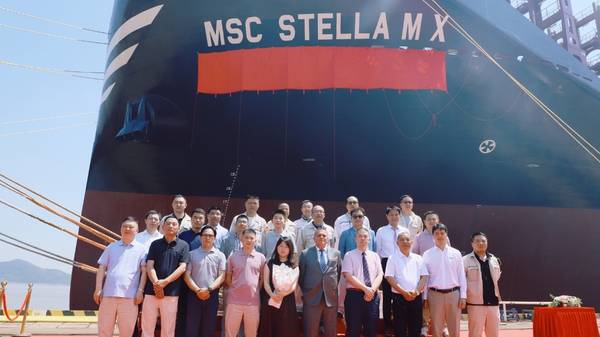
Chinese shipyard delivers LNG dual-fuel container ship to MSC 301 days ahead of schedule
Zhoushan Changhong sets new early-delivery record for its series of LNG dual-fuel boxships. |
|
|
|
||
|
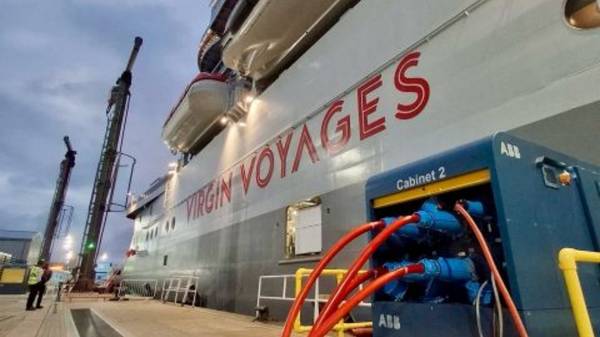
Portsmouth International Port makes first commercial shore power connection with cruise ship
Virgin Voyages’ Valiant Lady plugs into Portsmouth International Port’s shore power system, with two ships connected simultaneously. |
|
|
|
||
|
EmissionLink calls for fairer EU ETS expansion and greater reinvestment in maritime decarbonisation
Emissions compliance specialist warns that broader coverage alone will not deliver practical decarbonisation. |
|
|
|
||
|
Peninsula and Evos sign MoU to develop biofuel storage at Algeciras terminal
Partnership aims to develop up to 60,000 cbm of dedicated biofuel storage capacity at the Strait of Gibraltar. |
|
|
|
||
| Singapore to roll out system that detects illegal bunkering by Jan 2018 [News & Insights] |
| Martek awarded drone emission monitoring contract [News & Insights] |
| ClassNK updates MRV Portal to include IMO DCS [News & Insights] |
| Disney takes delivery of LNG-fuelled cruise ship [News & Insights] |
| NYK signs long-term charter deals with Cheniere for new LNG carriers [News & Insights] |
| Rolls-Royce Power Systems switches German engine test facilities to HVO fuel [News & Insights] |
| TMD Energy extends bioenergy MOA with Double Corporate by two years [News & Insights] |
| HD Hyundai secures $1.46bn order for eight LNG dual-fuel container ships [News & Insights] |