
 |
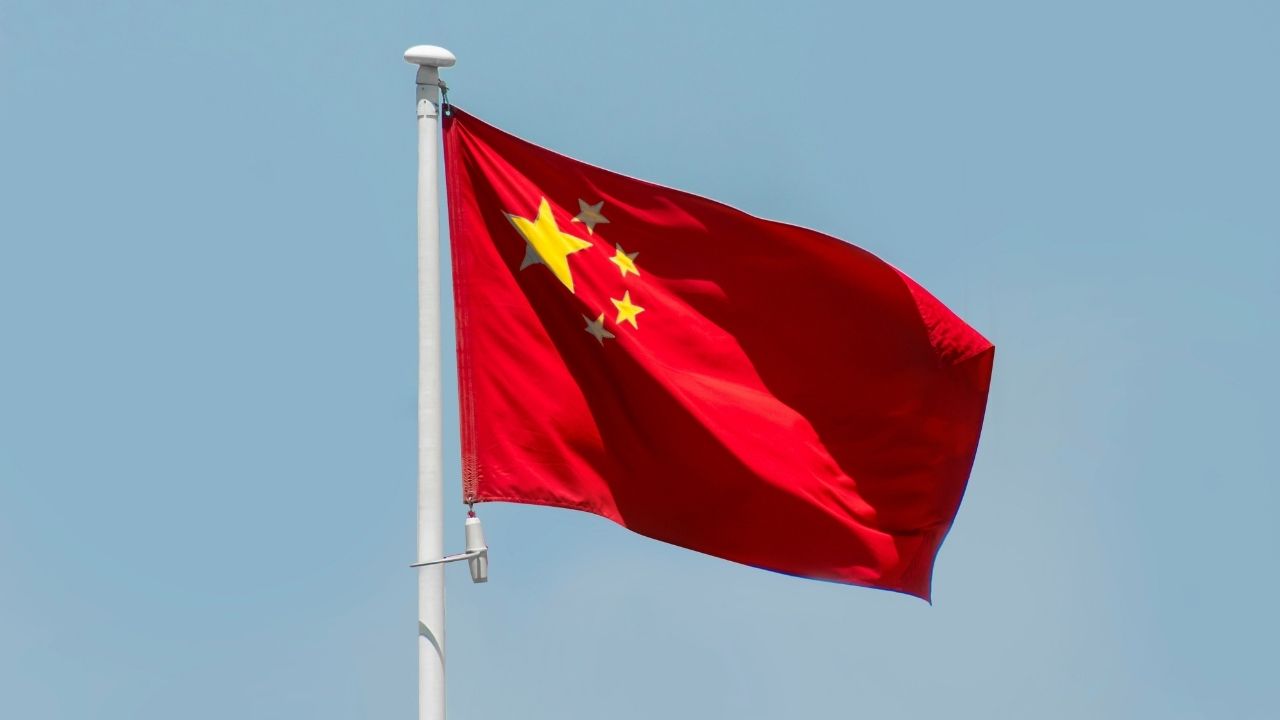
Zhejiang province’s first methanol-powered container ship was launched in Jiaxing on 24 March, with the vessel described as part of the province’s push to support greener inland shipping, Zhejiang Provincial Information Office reports.
The ship has a length of 64.9 metres and a width of 12.6 metres. It is reported to have a range of about 1,000 kilometres and a speed of 15.6 km/h. Its main propulsion system runs directly on methanol, avoiding the additional step of converting the fuel into electricity first.
According to the report, the methanol used by the vessel is produced using renewable energy sources, including wind and solar power. Compared with a conventional diesel-powered ship, the technology is said to lower CO₂ emissions by around 90%.
Jiaxing Zhebei Shipbuilding, which launched the vessel, has worked with institutions including Zhejiang University and Shanghai Jiao Tong University in a move designed to shift away from conventional shipbuilding towards greener vessel construction
The company is said to have secured more than 10 orders for new-energy ships, representing over 60% of its annual output.
|
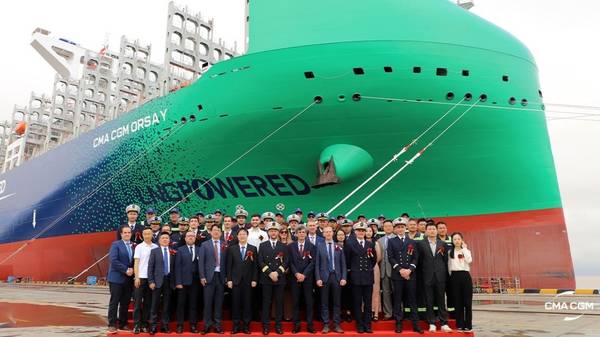
CMA CGM takes delivery of LNG-powered Orsay for Asia-Europe trade
24,212-TEU vessel joins 10-ship series, adding capacity to the carrier's FAL3 route. |
|
|
|
||
|
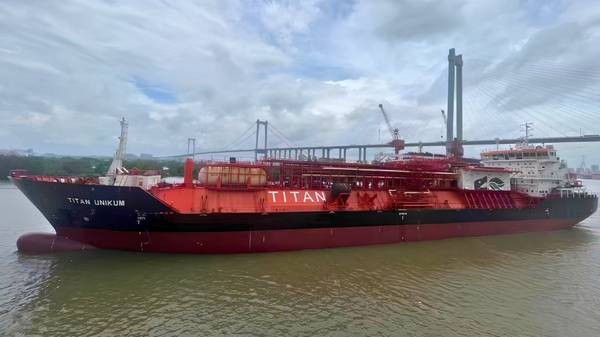
Titan Clean Fuels completes 15-year survey on LNG bunkering vessel Titan Unikum
Multi-gas carrier has undergone dry-docking work at a Chinese yard, preparing it for future upgrades. |
|
|
|
||
|
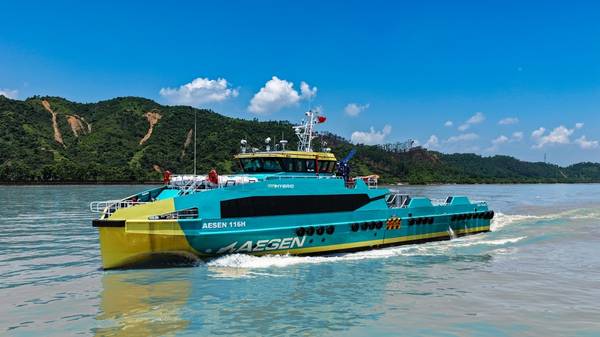
Lehmann Marine’s CUBE battery system debuts in China aboard hybrid crew boat
German battery maker’s first Chinese installation targets fuel savings on a Cheoy Lee-built vessel for a Singapore operator. |
|
|
|
||

|
Iino Lines secures transition loan from Mizuho Bank for LPG dual-fuel VLGC
Japanese shipowner finances the acquisition of Lumi Aurora through a green transition finance framework aligned with ICMA guidelines. |
|
|
|
||
|
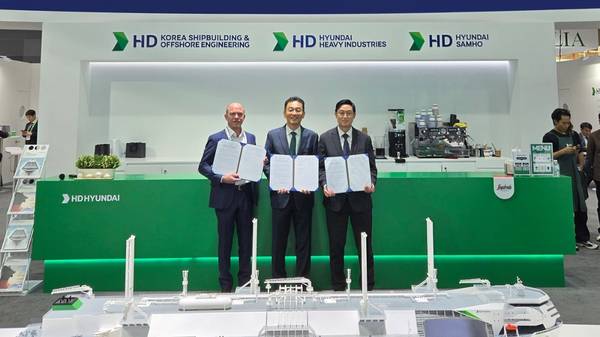
ABS, HD KSOE and Siemens partner on digital twin technology for ammonia-fuelled ship safety
Three firms will combine CFD analysis and digital twin technology to assess ammonia leak scenarios in vessel design. |
|
|
|
||
|
Nuclear-powered LNG carriers cost more upfront but cut lifetime fuel bills, ABS-backed study finds
Joint study with Blossom Energy examines the economics of a 174,000-cbm LNG carrier powered by a small reactor. |
|
|
|
||

|
Flex Commodities appoints Christos Doulaveris as general manager for Greece
Bunker trader strengthens its Greek operations with a new leadership appointment. |
|
|
|
||
|
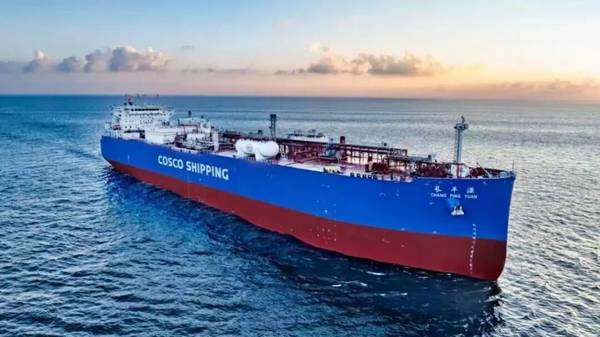
China delivers first domestically built VLGC under Chinese flag
Cosco Shipping’s new 88,000-cbm gas carrier features an LPG dual-fuel main engine. |
|
|
|
||
|
Electric and hybrid ferries could cut Sea of Marmara emissions by 63%, IMO study finds
A GreenVoyage2050 study finds that electrification could slash emissions, avoid €492 million in damage costs and support jobs. |
|
|
|
||
|
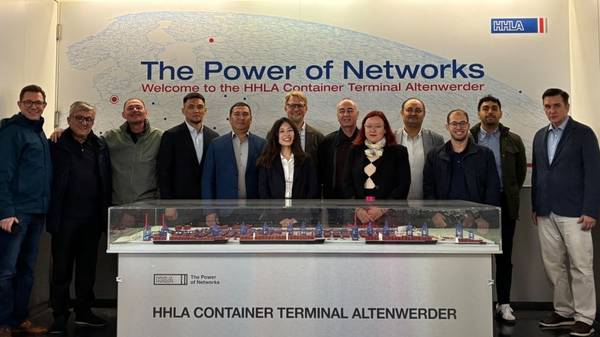
Batumi Sea Port officials study decarbonisation practices in Hamburg
Georgian port representatives visited Hamburg to study emissions accounting, hydrogen technology and automation ahead of their 2026 recertification audit. |
|
|
|
||
| CMA CGM takes delivery of LNG-powered Orsay for Asia-Europe trade [News & Insights] |
| CMA CGM takes delivery of LNG-powered Orsay for Asia-Europe trade [News & Insights] |
| Lehmann Marine’s CUBE battery system debuts in China aboard hybrid crew boat [News & Insights] |
| China delivers first domestically built VLGC under Chinese flag [News & Insights] |
| Navios Partners takes delivery of methanol-ready MR2 tanker Nave Harmony [News & Insights] |
