
 |
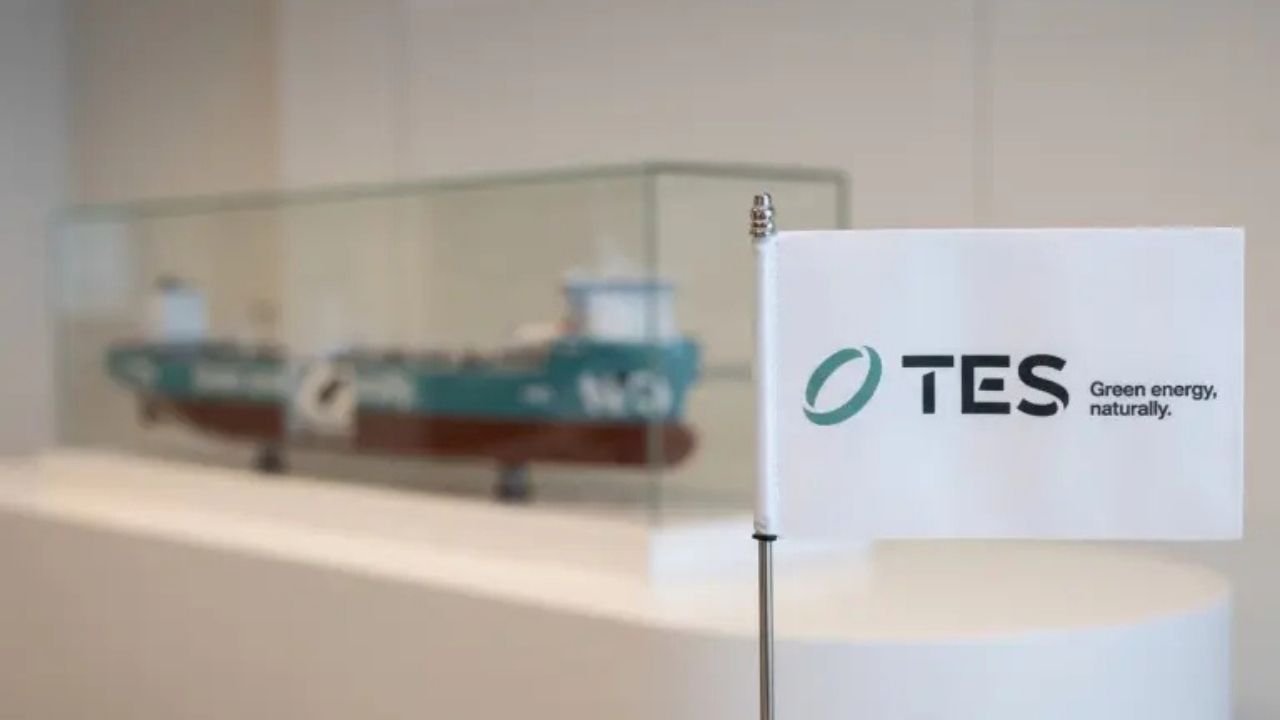
Tree Energy Solutions (TES) has joined the SEA-LNG coalition, taking the organisation’s membership to around 40 companies across the methane value chain, including biomethane and e-methane producers.
The green energy company has set a target of producing 1 million tonnes of e-methane by 2030 and is developing several projects globally, including a North American project with SEA-LNG members TotalEnergies and Osaka Gas. TES is also working with strategic partners, including OQAE and CPC Finland, on other initiatives.
TES said its projects use renewable electricity to produce green hydrogen, which is then combined with recycled CO₂ from biogenic sources to create e-methane.
E-methane is increasingly being seen as a potential route to meeting the International Maritime Organization’s (IMO) 2050 climate ambitions, with the potential to deliver net zero emissions on a well-to-wake basis. The fuel is also central to upcoming negotiations over the IMO Net-Zero Framework (NZF) in April, with a final decision expected in October 2026.
The fuel can be used with existing LNG infrastructure, including bunkering equipment and LNG-fuelled vessels, making it a commercially viable option for long-term compliance. E-methane projects are already being developed in Europe, North America, South America, Australia and Asia, driven by demand from utilities. Around 150,000 tonnes per annum of capacity is in front-end engineering design (FEED), while a further 1 million tonnes per annum is at pre-feasibility or feasibility stage.
Marco Alverà, CEO and co-founder of TES, said: “E-methane is a vital tool for decarbonising the maritime transport sector. It is a proven, climate-neutral fuel that is identical to natural gas on a molecular level. It reuses existing infrastructure and can be deployed immediately to existing gas networks and pipelines. Joining SEA-LNG gives us the opportunity to work alongside like-minded first movers across the value chain to make e-methane available as a marine fuel.”
Steve Esau, COO of SEA-LNG, commented: “Industry interest in e-fuels as long-term, scalable decarbonisation solutions is growing. E-methane will be critical to meeting demand for practical and realistic options. TES has been at the forefront of bringing e-methane to scale, offering substantial benefits to ship operators in terms of emissions reductions and commercial viability. E-methane is not only capable of generating FuelEU Maritime overcompliance but also is eligible for the regulation’s renewable fuel of non-biological origin (RFNBO) multiplier effect.”
TES recently announced that it is advancing development plans alongside OX2 and Södra for a facility designed to produce 1.2 TWh of e-methane annually by capturing biogenic CO₂ from Södra’s pulp mill at Värö and combining it with hydrogen produced onsite using renewable electricity.
SEA-LNG is a UK-registered not-for-profit collaborative industry foundation with members across the LNG value chain, including fuel suppliers, users, engine and asset providers, and class societies.
|
IBIA to host ethanol marine fuel workshop in New York
Limited-capacity session will examine ethanol’s commercial, technical and regulatory prospects as a shipping fuel. |
|
|
|
||
|
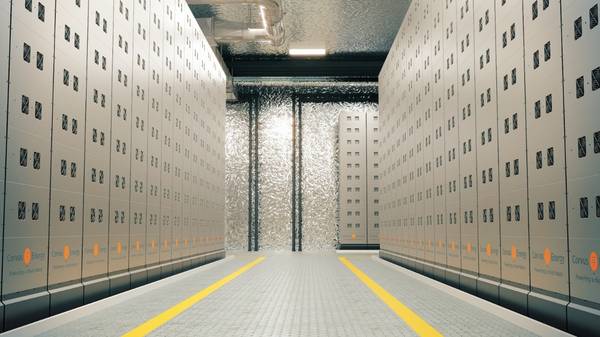
Corvus Energy’s Blue Whale NxtGen battery system gains DNV type approval
DNV approval confirms the safety and performance of Corvus Energy’s large-scale battery system for ferries, cruise ships and offshore vessels. |
|
|
|
||
|
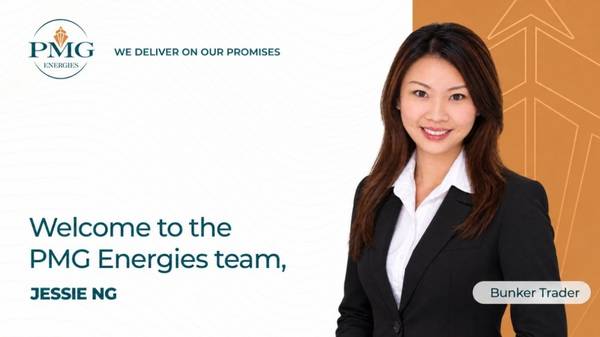
PMG Energies appoints Jessie Ng as bunker trader in Singapore
Bunker firm adds experienced trader to Singapore team. |
|
|
|
||
|
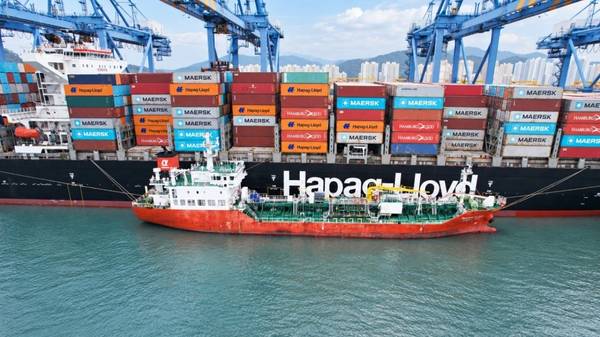
Hapag-Lloyd completes simultaneous-operations biomethanol bunkering in Busan
Container line bunkers ISCC EU-certified biomethanol from Goldwind during SIMOPS, advancing its 2024 supply agreement. |
|
|
|
||
|
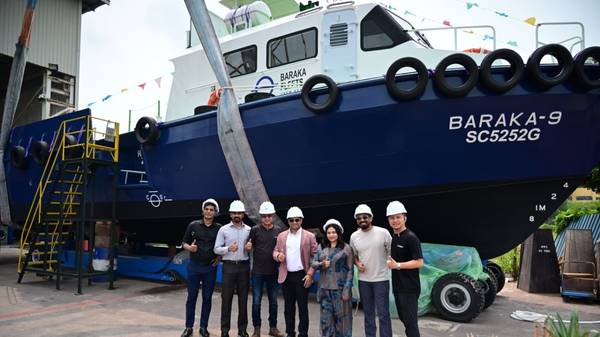
Pinnacle Marine launches B100-compatible harbour craft Baraka-9 for Trans Wave
Singapore shipbuilder adds another biodiesel-ready vessel to a fleet renewal programme aimed at harbour craft decarbonisation. |
|
|
|
||
|
Glander International Bunkering creates European commercial director role, appoints Rune Kongstein
Marine fuels firm is aligning its European operations under a single commercial leadership structure. |
|
|
|
||
|
VPS to run marine fuel management course in the Netherlands this November
Two-day training programme covers fuel quality, handling and decarbonisation regulations. |
|
|
|
||
|
Wind-assisted propulsion 'no longer just a concept', ICS panel says
Shipowners weigh wind power as a practical, low-risk route towards decarbonisation targets. |
|
|
|
||
|
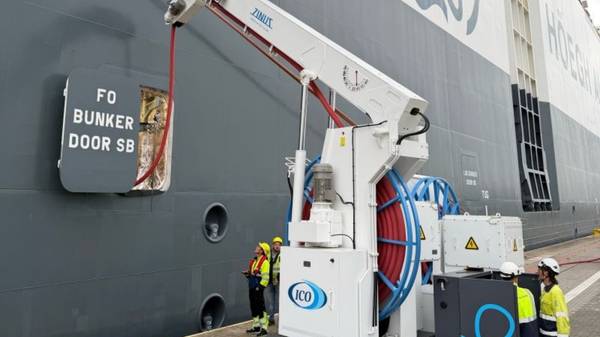
Höegh Autoliners vessel connects to shore power for the first time in Europe
Höegh Starlight used 11 kV shore power in Zeebrugge, allowing it to switch off its auxiliary engines while alongside. |
|
|
|
||
|
Chinese shipbuilder ROC signs deal for up to eight methanol-ready CSOVs
Contract signed with European shipowner for vessels designed for offshore wind farm maintenance work. |
|
|
|
||
| Europe risks falling behind China in race to produce e-fuels for shipping [News & Insights] |
| Europe risks falling behind China in race to produce e-fuels for shipping [News & Insights] |
| Europe risks falling behind China in race to produce e-fuels for shipping [News & Insights] |
| Compliance pooling could help unlock investment in zero-emission marine fuels, says Getting to Zero Coalition [News & Insights] |
| CMA CGM Notre Dame receives first European bio-LNG bunkering during Rotterdam maiden call [News & Insights] |
