|
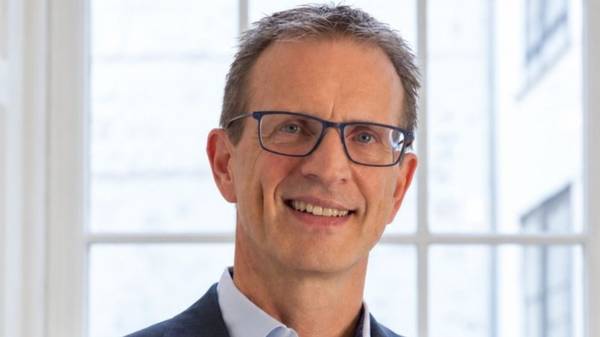
Blue Energy Partners appoints Nicolaj Kofoed as group treasurer
Bunker firm strengthens treasury function as banking relationships and funding needs grow. |
|
|
|
||
|
Bunker Partner seeks trainee lawyer for Athens office
Role offering the opportunity to a law graduate to gain practical experience in maritime law. |
|
|
|
||
|
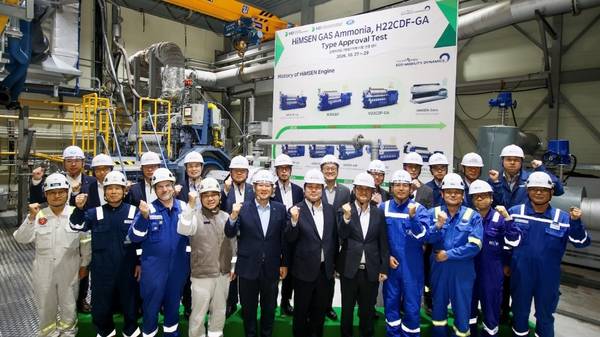
HD Hyundai gains type approval for low-pressure ammonia dual-fuel engine
HHI-EMD completes type approval testing for its H22CDF-GA engine, expanding its ammonia engine portfolio to two fuel-supply technologies. |
|
|
|
||
|
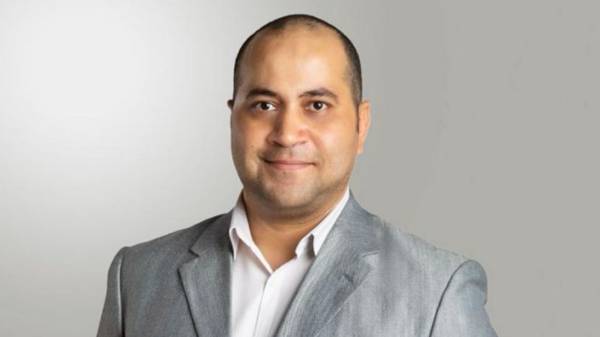
Flex Commodities appoints Moataz Abdelrahman as senior marine fuels trader
Dubai-based trading firm adds senior trader to expand marine fuels and bunker trading activities across the Middle East. |
|
|
|
||
|
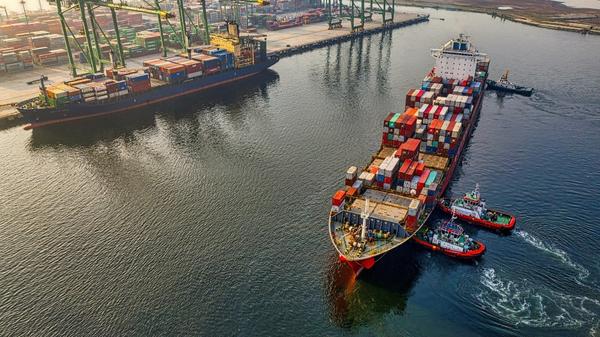
Alternative-fuel ship orders outpace port infrastructure, LR report finds
Lloyd's Register study shows methanol and ammonia bunkering infrastructure lagging behind newbuild orders for alternative-fuel vessels. |
|
|
|
||
|
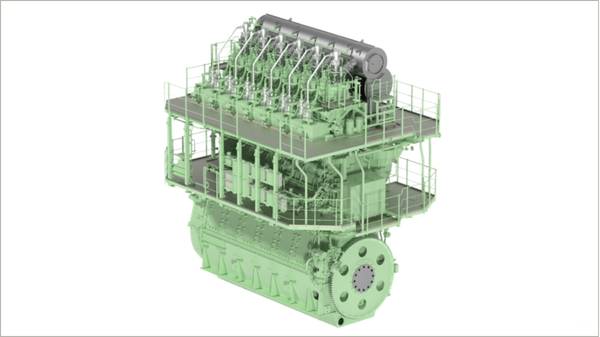
J-ENG secures orders for four ammonia-fuelled engines under Japanese PCTC project
Vessels form part of plan to build four ammonia-fuelled car carriers, a dedicated bunkering vessel and supply chain. |
|
|
|
||
|
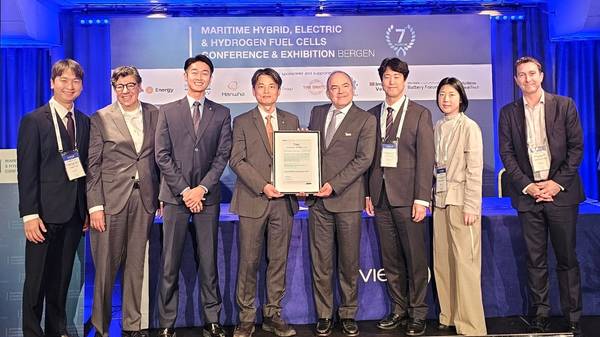
ABS grants AIP to Hanwha Power for 1,700-TEU battery-powered container ship
Design uses roughly 151 MWh of swappable battery storage for fully electric propulsion on a container vessel. |
|
|
|
||
|
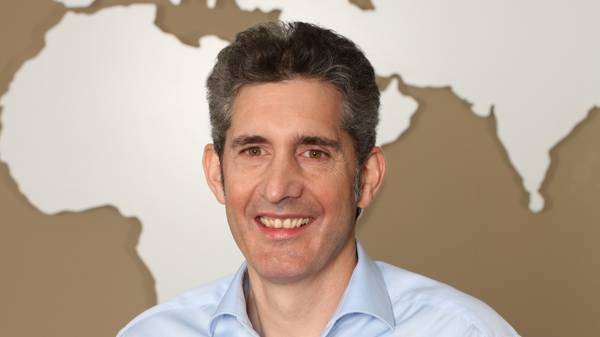
WinGD signs first licence deal with HD Hyundai Marine Engine to expand Korean production
Mid-bore engine portfolio gains new production route into Korea's bulk carrier and tanker newbuild markets. |
|
|
|
||
|
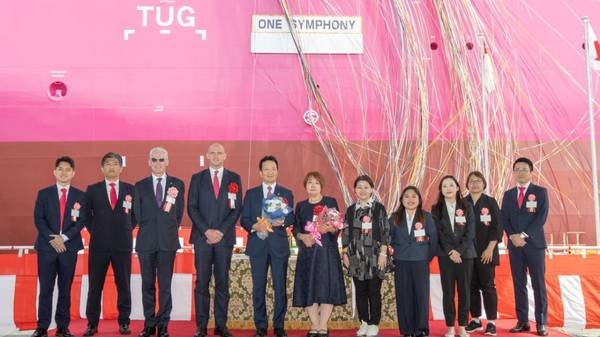
Ocean Network Express names ammonia- and methanol-ready newbuild ONE Symphony
Vessel features conventional diesel main engine, with concept designs approved for possible future conversion to methanol or ammonia. |
|
|
|
||
|
Sing Fuels seeks Asia-based supply trader to bolster bunker procurement team
Singapore bunkering firm is recruiting a supply trader to manage marine fuel purchasing across Asia. |
|
|
|
||
| Battery solutions ready for ships [News & Insights] |
| Solar solutions cleared for commercial release [News & Insights] |
| Marine solar power solution gets thumbs up [News & Insights] |
| Eco Marine Power signs agreement with Triad [News & Insights] |
| Solar panel installation for Blue Star Delos completed [News & Insights] |
| ABB wins Washington State Ferries' third hybrid-electric vessel order [News & Insights] |
| Estonian State Fleet's shore-charged electric ferry completes model testing in Germany [News & Insights] |
| Battery-powered ferry China Zorrilla enters service in South America [News & Insights] |
| Baleària floats first fully electric fast ferry for Tarifa–Tangier route [News & Insights] |
| Wasaline secures locally produced biogas supply from St1 Biokraft for Vaasa–Umeå ferry [News & Insights] |