
 |
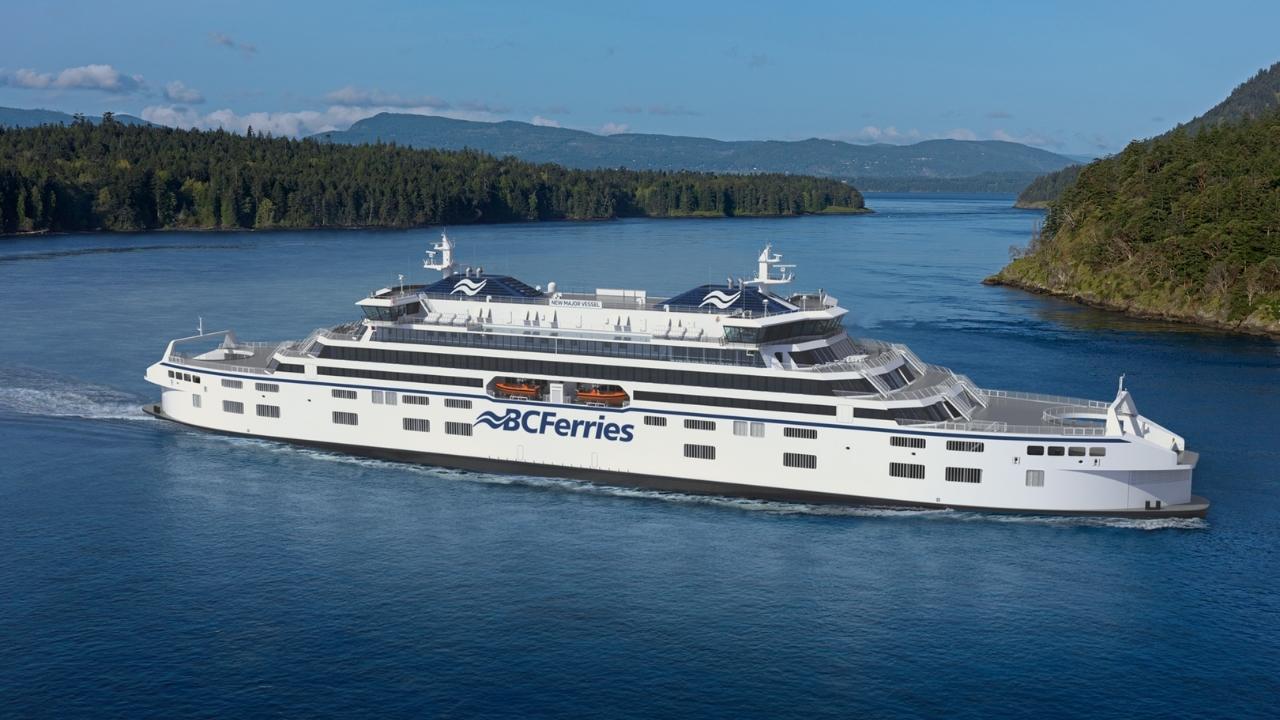
ABB has been selected to supply integrated power, propulsion, and control technology for four new hybrid-electric ferries operated by British Columbia Ferry Services (BC Ferries).
The vessels, which will be constructed at China Merchants Industry Weihai shipyard, are scheduled for delivery from 2029 and will replace four older ferries under BC Ferries’ New Major Vessels programme. ABB booked the order in the fourth quarter of 2025, though financial details were not disclosed.
The ferries will use ABB’s Azipod electric propulsion and its Onboard DC Grid power distribution system. Each vessel will be fitted to carry up to 70 MWh of battery energy storage and will be able to connect to shore power systems rated above 60 MW, allowing full electric operation while alongside.
The hybrid configuration will use biofuel or renewable diesel and continuously balance energy between generators and batteries. ABB claims the DC Grid system minimises conversion losses, enabling higher overall system efficiency and lower emissions than comparable propulsion arrangements.
The vessels have also been designed with reduced underwater radiated noise in mind, including propeller and propulsion arrangements aimed at limiting acoustic impact in the Strait of Georgia, where Southern Resident killer whales are present.
Nicolas Jimenez, President and CEO, BC Ferries, said: "BC Ferries' New Major Vessels represent the largest capital investment in our history and are essential to renewing our fleet, increasing capacity on our busiest routes, and strengthening system resilience. Their design reflects what our customers value most: comfort, accessibility, and environmental stewardship."
He added: "With diesel-battery hybrid technology that can operate on bio and renewable diesel today and transition to full electrification as infrastructure evolves, these ships are a critical part of building a cleaner, quieter, and more reliable ferry system for the future."
BC Ferries aims to reduce greenhouse gas emissions from operations by at least 27% by 2030, from 2008 levels, in support of British Columbia's 2030 greenhouse gas emissions reduction target for the transportation sector.
Rune Braastad, President, ABB's Marine & Ports division, commented: "We proudly support BC Ferries' goals to reduce greenhouse gas emissions from their operations, striving to meet British Columbia's 2030 greenhouse gas emissions reduction target for the transportation sector by at least 27 percent by 2030, from 2008 levels, in support of a cleaner future for British Columbia, and its ambitions to transition to all-electric operation."
BC Ferries provides year-round vehicle and passenger service on 25 routes to 47 terminals, carrying approximately 9.7 million vehicles and 22.7 million passengers annually, according to the company's annual report to the British Columbia Ferries Commission for the year ended March 31, 2025.
|
Rolls-Royce Power Systems switches German engine test facilities to HVO fuel
Company saved 3,200 tonnes of CO2 by end of 2025 after switching to renewable diesel. |
|
|
|
||
|
Changhong International delivers final LNG dual-fuel container ship 205 days early
Chinese shipbuilder completes 10-vessel series for MSC with delivery of 11,500-teu MSC Migsan. |
|
|
|
||
|
Oilmar seeks senior and mid-level bunker traders in Seoul
Marine fuel firm aims to recruit experienced traders for South Korean operations. |
|
|
|
||
|
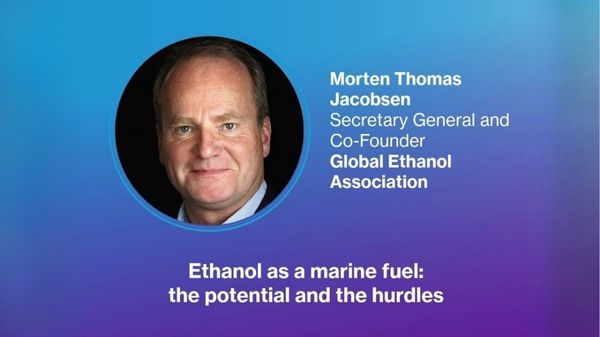
Global Ethanol Association to present on ethanol marine fuel at London shipping expo
Morten Thomas Jacobsen will discuss ethanol fuel trials and maritime decarbonisation challenges in June. |
|
|
|
||
|
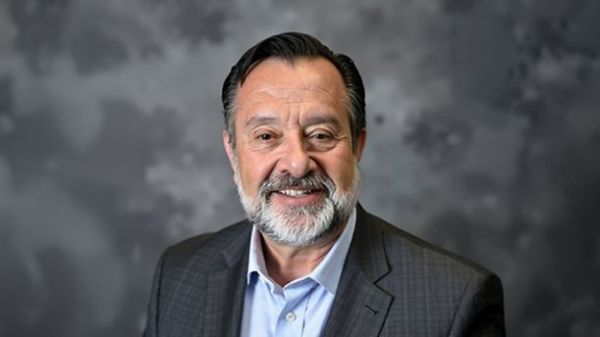
IBIA warns of structural shift in marine fuel market following Middle East tensions
Association chair says geopolitical disruptions signal lasting changes to bunker supply dynamics and pricing. |
|
|
|
||
|
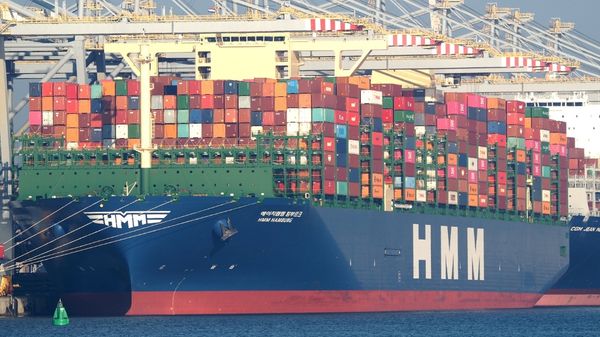
Rotterdam bunker volumes plunge 25% in first quarter amid regulatory shifts
Fossil fuel sales decline sharply while alternative fuels show modest growth in Dutch port. |
|
|
|
||
|
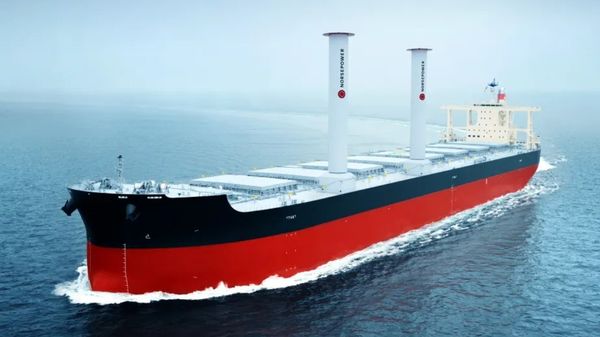
Norsepower completes factory tests for 18 rotor sails bound for Airbus fleet
Wind propulsion units cleared for installation on LD Armateurs vessels targeting 50% emissions reduction. |
|
|
|
||
|
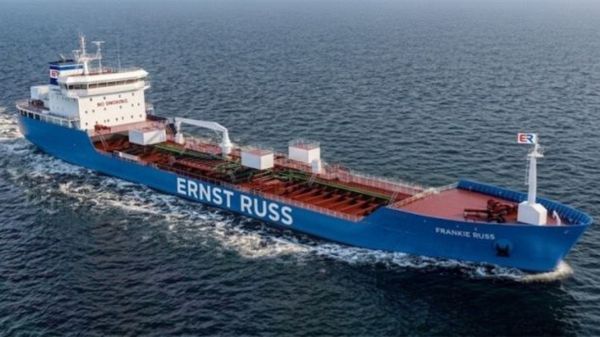
Ernst Russ acquires four chemical tankers with five-year charters worth $126m
Hamburg shipowner enters tanker segment with methanol-ready newbuildings delivering from Q4 2026. |
|
|
|
||
|
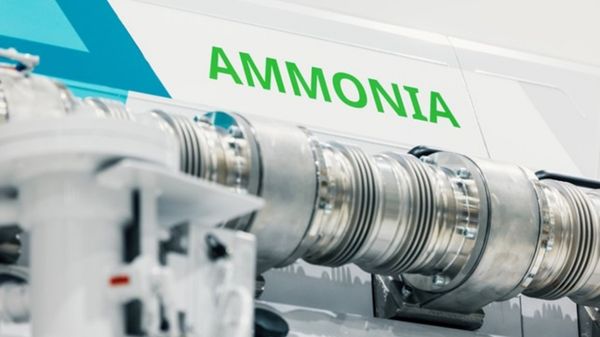
Wärtsilä boosts ammonia engine power output to match LNG equivalent
Finnish technology group raises Wärtsilä 25 Ammonia engine output, enabling simpler vessel designs. |
|
|
|
||
|
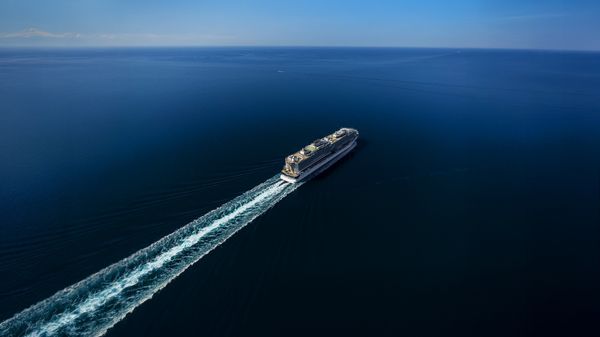
Fincantieri secures order for three LNG-fuelled cruise ships from Princess Cruises
Italian shipbuilder to construct vessels at Monfalcone yard, with deliveries scheduled through 2039. |
|
|
|
||
| Washington State Ferries awards ABB hybrid-electric propulsion contract [News & Insights] |
| Wärtsilä wins contract for electric propulsion systems on two Danish ferries [News & Insights] |
| Shell completes first LNG bunkering operation with Hyundai Glovis in Singapore [News & Insights] |
| ClassNK updates methanol fuel guidelines as alcohol-fuelled ship orders rise [News & Insights] |
| LNG-fuelled ships account for 79% of alternative fuel orders in 2025, SEA-LNG reports [News & Insights] |
| BIMCO adopts FuelEU Maritime and ETS clauses for ship sales, advances biofuel charter work [News & Insights] |
| Quadrise appoints veteran Peter Borup as CEO to drive commercialisation [News & Insights] |
