

|
Petrobras resumes bunkering operations at Rio Grande Terminal after power restoration
Brazilian supplier restarts marine fuel supply after completing an inspection following an electricity outage. |
|
|
|
||
|
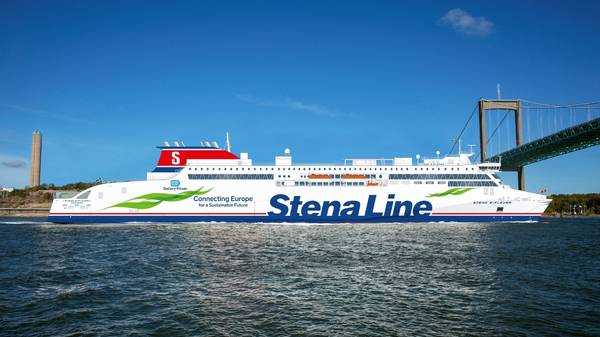
Stena RoRo orders battery-ready E-Flexer 2.0 ferries from Chinese yard
Vessels include diesel engines capable of running on biodiesel and are methanol-ready. |
|
|
|
||
|
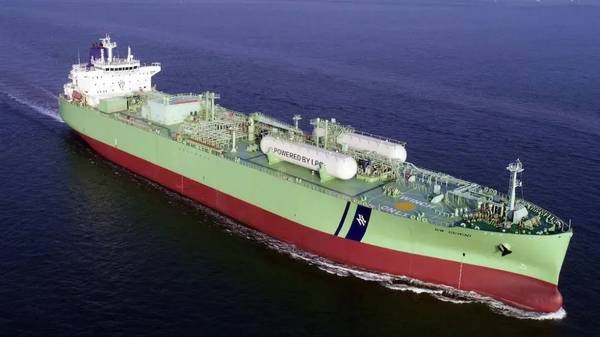
Nord Gas Solutions to supply cargo and fuel systems for eight BW LPG VLGCs
Gas-handling systems specialist awarded contract for new 90,000-cbm vessels. |
|
|
|
||
|
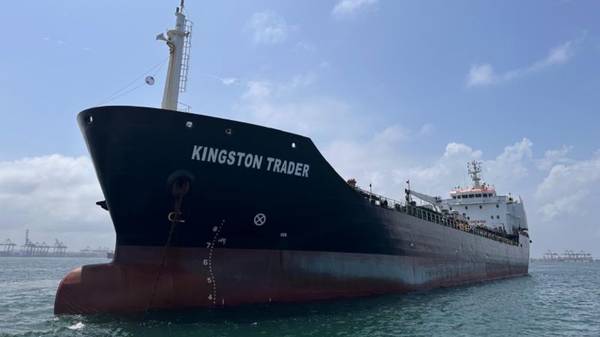
TFG Marine fits mass flow meter to Jamaica-bound bunker barge
Kingston Trader becomes the first Caribbean bunkering vessel with mass flow metering as TFG Marine’s fleet coverage nears 90%. |
|
|
|
||
|
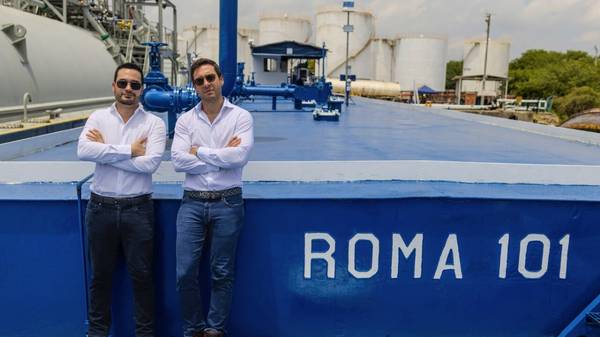
Monjasa announces full-chain marine fuel operations in Cartagena
Monjasa says it now covers the entire marine fuel supply chain in Colombia, from oil wells to ship-side deliveries. |
|
|
|
||
|
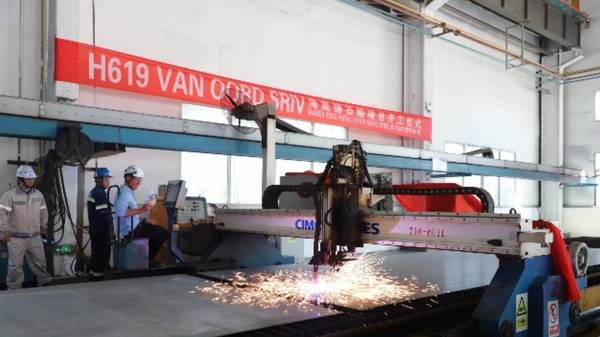
Ceremonies held for Van Oord’s methanol-hybrid rock installation vessels
Two ships advance through parallel construction at China’s CIMC Raffles shipyard. |
|
|
|
||
|
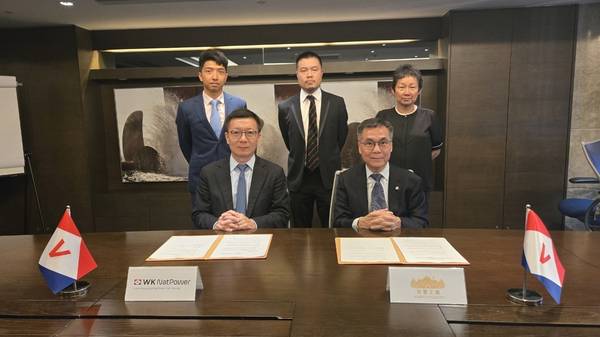
Wah Kwong NatPower signs MoU to explore Hong Kong marine electrification
Venture will examine shore power, vessel charging and electric vessel deployment around Aberdeen’s waterfront. |
|
|
|
||
|
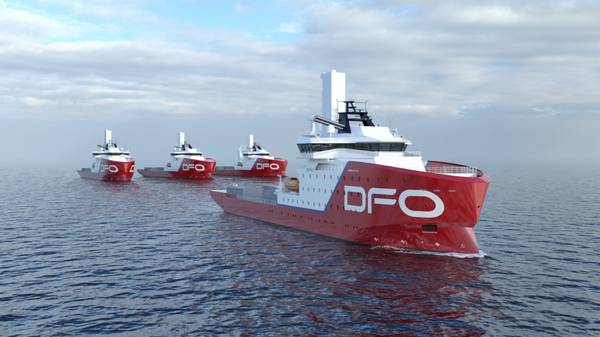
Dong Fang Offshore orders CSOV with battery-hybrid propulsion
Vard secures fifth newbuild contract from Taiwanese firm, with delivery scheduled for 2028. |
|
|
|
||
|
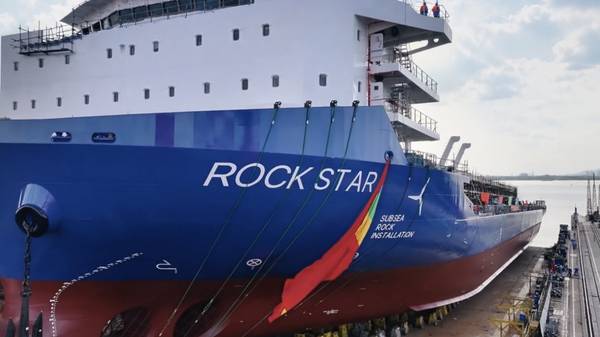
CSL and OWL launch first subsea rock installation vessel for offshore wind
MV Rock Star can run on MGO and methanol and is designed to support scour protection and cable burial for offshore wind projects. |
|
|
|
||
|
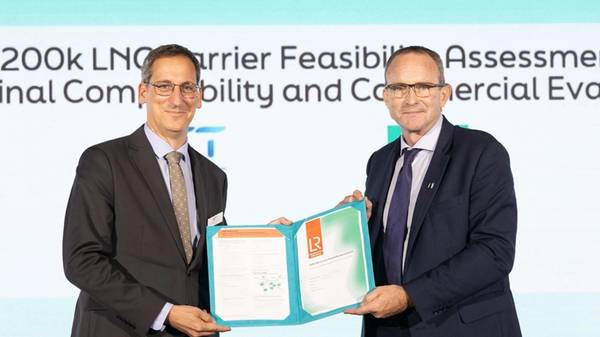
Lloyd’s Register study backs 200,000-cbm LNG carriers for fleet renewal
Analysis finds larger LNG carriers could cut transport costs while retaining access to most major terminals. |
|
|
|
||
| NAMEPA members rewarded for their commitment to sustainability [News & Insights] |
| Shipper achieves 'C' efficiency rating [News & Insights] |
| Commitment to charter efficient vessels [News & Insights] |
| IMO and EMSA gather maritime experts to address seafarer training for alternative fuels [News & Insights] |
| IMO seminar examines technical hurdles facing ammonia as a marine fuel [News & Insights] |
| IMO sub-committee finalises revised methanol fuel safety guidelines [News & Insights] |
| IMO sub-committee finalises revised methanol fuel safety guidelines [News & Insights] |
| Ethanol edges into shipping’s fuel mix as methanol crossover eases adoption barriers [News & Insights] |

