
 |
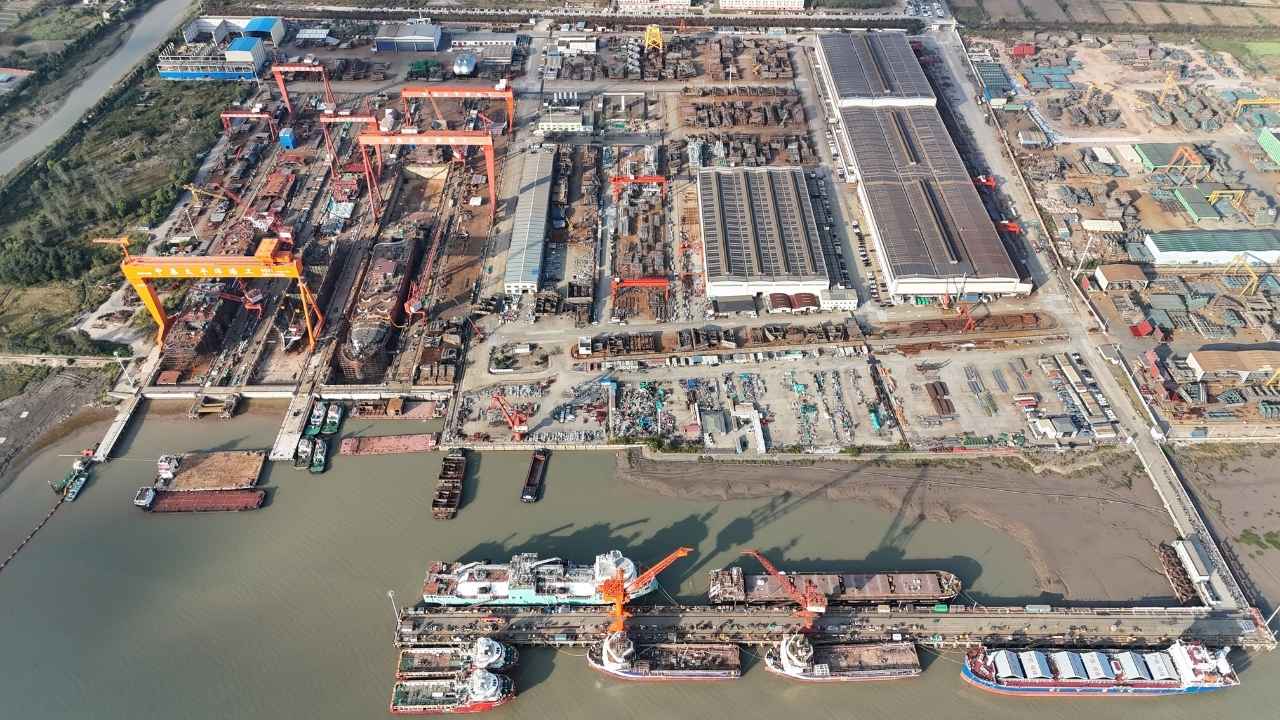
Nantong CIMC Sinopacific Offshore & Engineering (CIMC SOE) says it has secured orders for three LNG bunkering vessels, comprising two 20,000 cbm units and one 18,900 cbm unit.
The new contracts bring CIMC SOE's total order book to 10 vessels of 20,000 cbm capacity and three of 18,900 cbm capacity, the company confirmed.
The shipbuilder is said to be making steady progress on its 20,000 cbm LNG bunkering vessel project, with production schedules described as tight and orderly. The 18,900 cbm series is scheduled to begin construction in the second half of this year.
CIMC SOE noted that the construction and delivery of multiple vessel types is gradually building an LNG carrier production system that will allow it to respond flexibly to different customer needs.
The shipbuilder stated that it continues to optimise vessel design and apply technologies such as dual-fuel electric propulsion. The company said the new orders demonstrate international market recognition of its design and construction capabilities, while providing support for deepening its LNG bunkering vessel product portfolio and accumulating multi-scenario operational experience.
CIMC SOE added that it will continue to collaborate with industry partners to promote innovation and application of green ship technologies as market demand for LNG bunkering facilities grows amid the global shipping industry's energy transition.
|
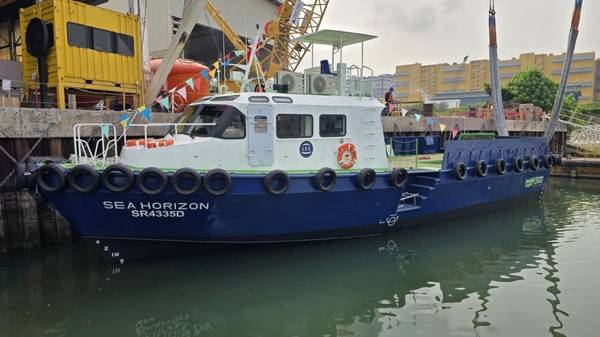
Pinnacle Marine launches second B100-compatible harbour craft for Les Star
Sea Horizon joins Singapore’s harbour craft fleet. |
|
|
|
||
|
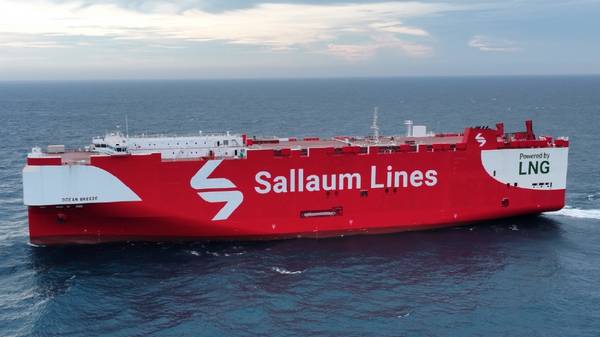
Sallaum Lines orders LNG-fuelled, ammonia-ready PCTCs from Chinese yards
Operator signs shipbuilding agreements for new generation of 8,600-CEU vessels, taking its newbuild investment past $1bn. |
|
|
|
||
|
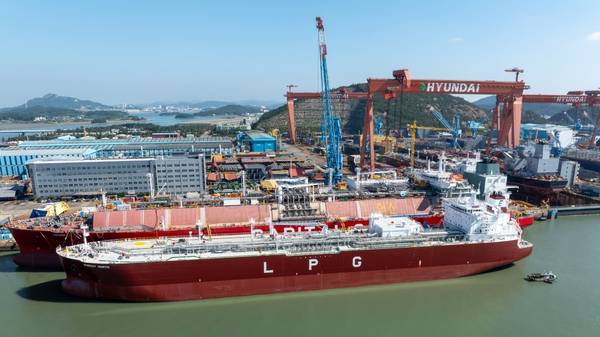
Nakilat takes delivery of dual-fuel carrier in South Korea
Ammonia-ready design positions vessel to play key role in future low-carbon energy supply chains, says Qatari firm. |
|
|
|
||
|
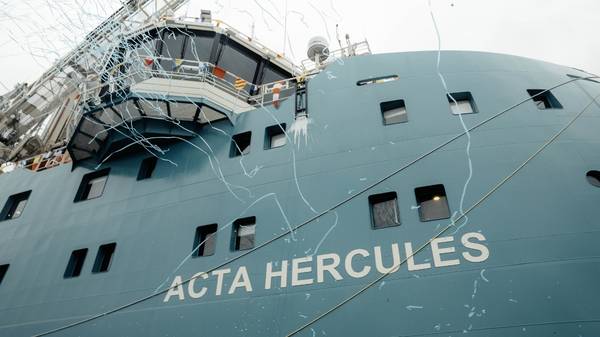
Acta Marine christens methanol dual-fuel vessel Acta Hercules in IJmuiden
Dutch operator marks the christening of its second newbuild CSOV. |
|
|
|
||
|
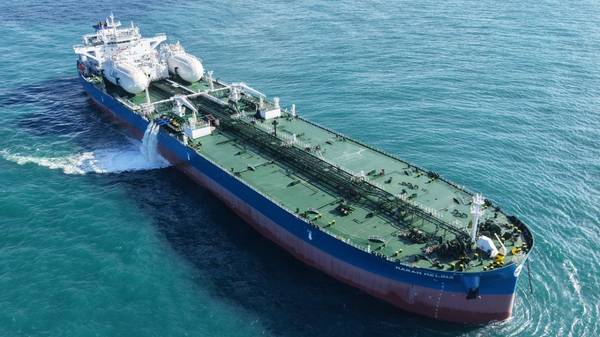
Angelicoussis Group takes delivery of fifth dual-fuel Suezmax tanker
Maran Tankers Management adds the 155,500-DWT Maran Melina to its fleet. |
|
|
|
||
|
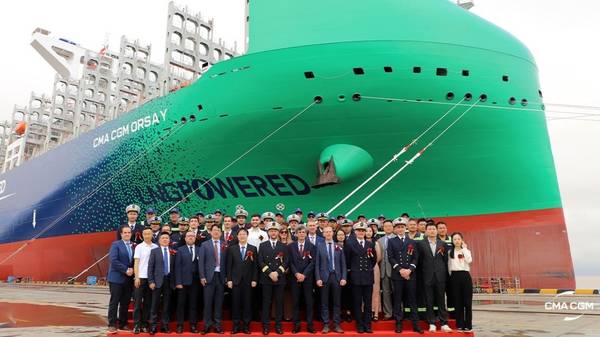
CMA CGM takes delivery of LNG-powered Orsay for Asia-Europe trade
24,212-TEU vessel joins 10-ship series, adding capacity to the carrier's FAL3 route. |
|
|
|
||
|
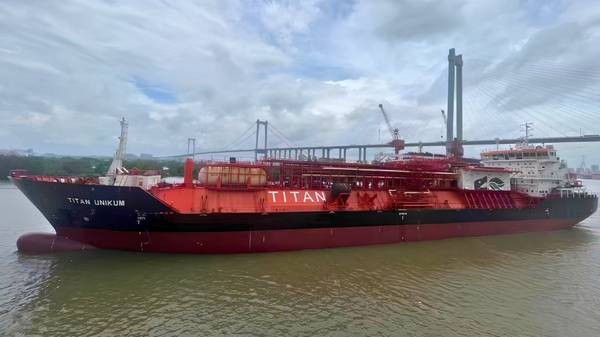
Titan Clean Fuels completes 15-year survey on LNG bunkering vessel Titan Unikum
Multi-gas carrier has undergone dry-docking work at a Chinese yard, preparing it for future upgrades. |
|
|
|
||
|
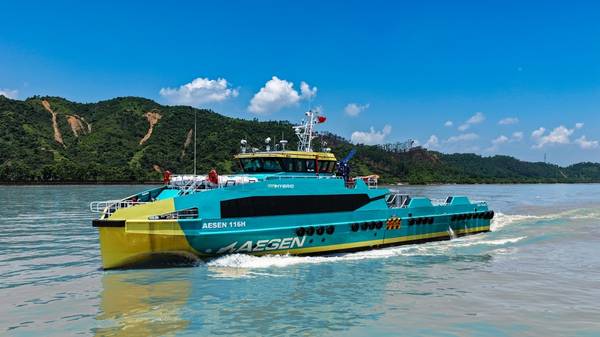
Lehmann Marine’s CUBE battery system debuts in China aboard hybrid crew boat
German battery maker’s first Chinese installation targets fuel savings on a Cheoy Lee-built vessel for a Singapore operator. |
|
|
|
||

|
Iino Lines secures transition loan from Mizuho Bank for LPG dual-fuel VLGC
Japanese shipowner finances the acquisition of Lumi Aurora through a green transition finance framework aligned with ICMA guidelines. |
|
|
|
||
|
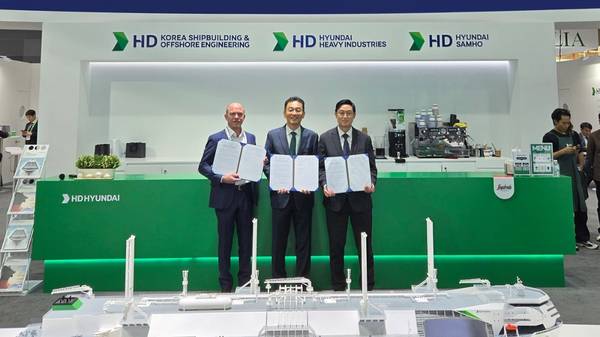
ABS, HD KSOE and Siemens partner on digital twin technology for ammonia-fuelled ship safety
Three firms will combine CFD analysis and digital twin technology to assess ammonia leak scenarios in vessel design. |
|
|
|
||
| HD Hyundai Heavy Industries receives design approval for 20,000-cbm LNG bunkering vessel [News & Insights] |
| LR and HD Hyundai Mipo develop 22,000 cbm LNG bunkering vessel design [News & Insights] |
| Bureau Veritas supports launch of CIMC SOE's LNG bunkering vessel [News & Insights] |
| Pinnacle Marine launches second B100-compatible harbour craft for Les Star [News & Insights] |
| Sallaum Lines orders LNG-fuelled, ammonia-ready PCTCs from Chinese yards [News & Insights] |
| Sallaum Lines orders LNG-fuelled, ammonia-ready PCTCs from Chinese yards [News & Insights] |
| Nakilat takes delivery of dual-fuel carrier in South Korea [News & Insights] |
| Nakilat takes delivery of dual-fuel carrier in South Korea [News & Insights] |
