
|
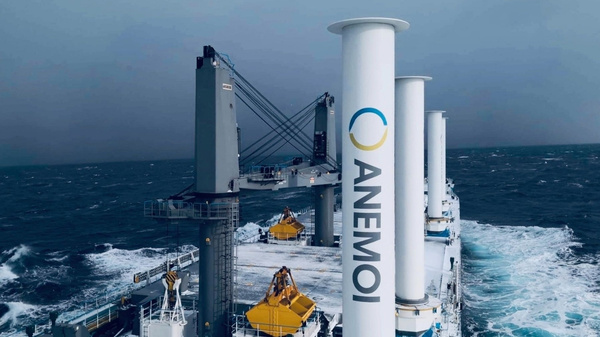
Anemoi rotor sails complete eight years of operation on bulk carrier M/V Afros
Lloyd’s Register survey finds no operational issues with wind propulsion system after extended service. |
|
|
|
||

|
Uni-Fuels seeks general manager for London bunker trading desk
Nasdaq-listed marine fuel supplier recruits for commercial leadership role with P&L responsibility. |
|
|
|
||

|
NE Atlantic ECA will cause significant change to the current fuel mix | Steve Bee, VPS
The possibility of off-spec issues highlights the continuing need for proactive fuel testing to protect vessels. |
|
|
|
||
|
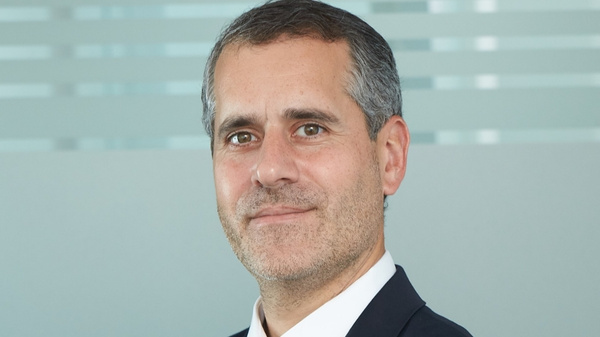
Smart ships failing to convert data into actionable intelligence, warns SmartSea
Maritime technology firm claims vessels collect vast amounts of data but lack integration to support decision-making. |
|
|
|
||

|
DNV forecasts 100-fold growth in clean hydrogen by 2060, with China leading expansion
Classification society projects $3.2tn investment in hydrogen sector, with maritime accounting for 15% of clean hydrogen use. |
|
|
|
||

|
Dual-fuel container ship and vehicle carrier fleet surpasses 1,200 vessels
World Shipping Council reports 65% year-on-year increase in operational dual-fuel vessels to 440 ships. |
|
|
|
||
|
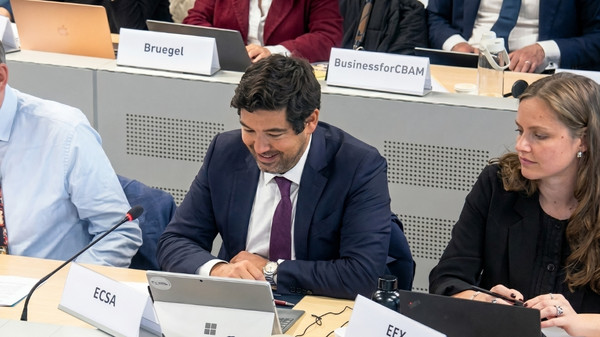
European Shipowners calls for ETS revenue investment and fuel supplier mandate
ECSA urges the EU to invest €9bn in annual ETS revenues in fuel production and infrastructure. |
|
|
|
||
|
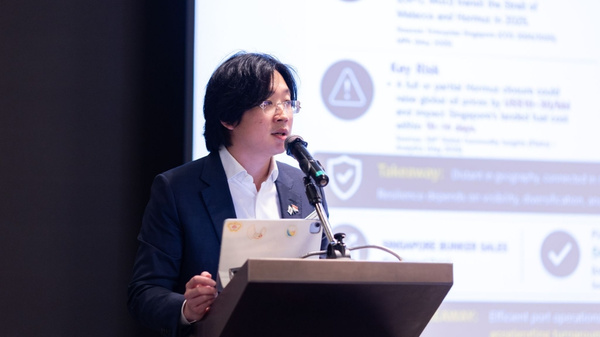
Singapore bunker industry urged to prioritise resilience and collaboration
SSA committee vice chair highlights energy security and crisis readiness at Marine Fuels Forum 2026. |
|
|
|
||
|
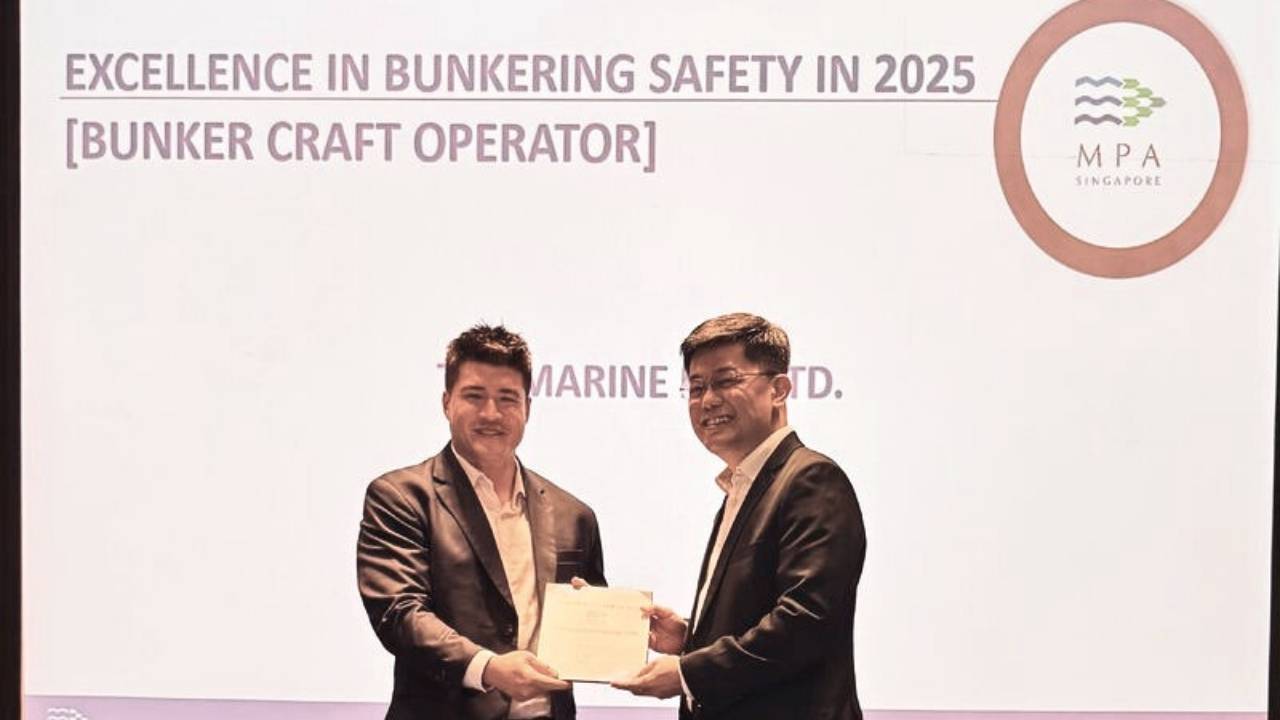
TFG Marine receives bunker safety award from Singapore maritime authority
Marine fuel supplier recognised for safety standards and operational performance at MPA Marine Fuel Forum. |
|
|
|
||

|
Bunker surveyor sought in Rotterdam to meet increased demand
Dutch firm MCE Marine Surveyors is recruiting for a quantitative fuel inspection role. |
|
|
|
||
| Turkish supplier expands bunker barge fleet [News & Insights] |
| Energy Petrol reports 38% growth in 2015 [News & Insights] |
| New barge for Turkish bunker supplier [News & Insights] |

