
|
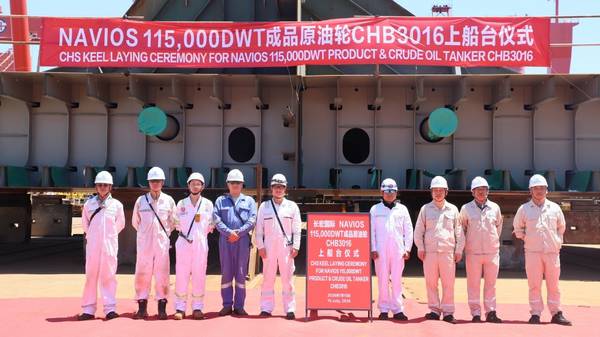
Changhong International launches ninth LR2 tanker in Navios series
Vessel includes future methanol and LNG conversion capability as well as shore power provision. |
|
|
|
||
|
European shipowners back EU ETS revenue earmarking but warn proposal falls short on clean technology support
ECSA welcomes fuel support and revenue earmarking but calls for broader technology eligibility and a clear IMO withdrawal clause. |
|
|
|
||

|
WSC backs EU ETS fuel revenue reinvestment but warns over port competitiveness rules
The World Shipping Council welcomes proposed ETS fuel mechanism changes but flags concerns over neighbouring port proposals. |
|
|
|
||
|
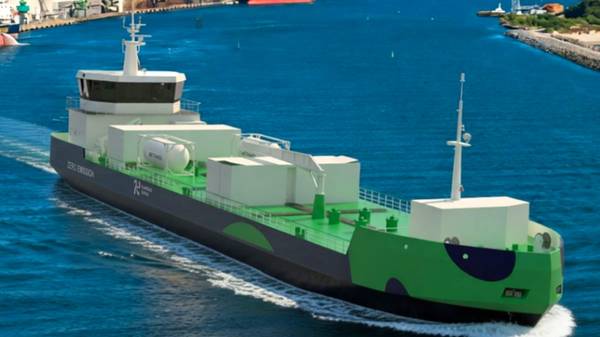
Western Baltic Engineering unveils green methanol bunkering vessel concept for Klaipėda
Concept vessel design features an 800-tonne capacity and annual supply potential of 250,000 tonnes. |
|
|
|
||

|
World Fuel seeks marine lubricants sales executive in Greece
US firm is recruiting for a commercial role based in Glyfada. |
|
|
|
||
|
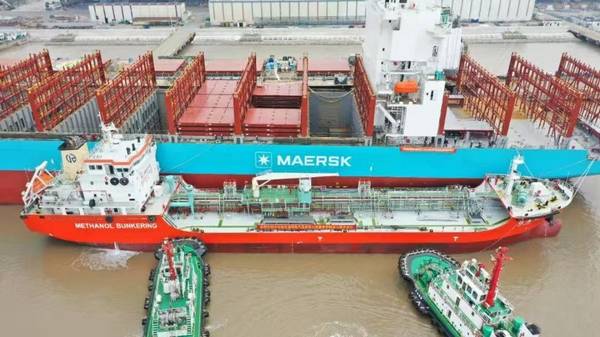
CCS supports first STS methanol bunkering operation for newbuild at Zhejiang yard
Zhoushan becomes China’s second port capable of routine ship-to-ship methanol bunkering operations. |
|
|
|
||
|
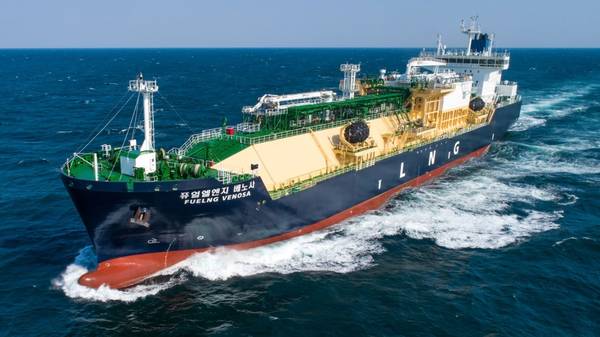
FueLNG completes 800th LNG bunkering operation in Singapore
Marine fuel supplier completes landmark LNG delivery at world's largest bunker port. |
|
|
|
||
|
Ardmore Shipping posts 14% fleet emissions reduction in 2025 sustainability report
Ardmore Shipping’s annual sustainability report highlights emissions cuts, safety gains and governance rankings across its tanker fleet. |
|
|
|
||
|
SEA-LNG mid-year review points to continued growth across methane pathway as coalition marks tenth anniversary
LNG orders, bunkering volumes and biomethane production all rise as SEA-LNG gains IMO consultative status. |
|
|
|
||
|
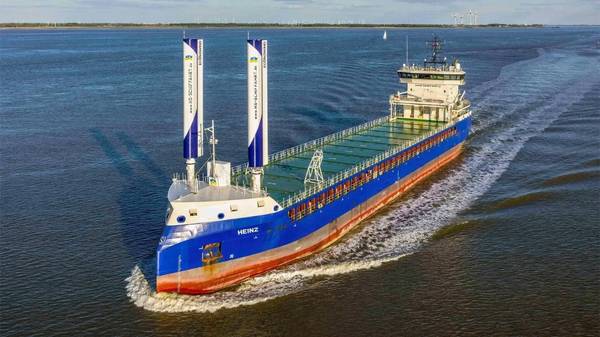
Econowind receives DNV type approval for VentoFoil 3-Series wind propulsion wing
DNV certification set to streamline integration of VentoFoils on classed vessels worldwide. |
|
|
|
||
| Oil water separator completes MEPC 107(49) certification [News & Insights] |
| Fresh water scrubbers for Great Lakes ships [News & Insights] |
| LPG tanker to be fitted with scrubber system [News & Insights] |
| Ignazio Messina installs scrubber system [News & Insights] |
| SECA scrubber installation deal is signed [News & Insights] |
| US pressure delays IMO Net-Zero Framework vote by one year [News & Insights] |
| IMO calls for speaker nominations for ammonia-as-fuel technical seminar [News & Insights] |
| Marine fuel procurement becomes strategic imperative as regulatory pressures mount: LR [News & Insights] |
| Alternative fuel vessel orders maintain momentum despite softer 2025 market [News & Insights] |
| ULSFO demand surges in Med as ECA compliance drives fuel shift [News & Insights] |

