
|
WinGD signs global service agreement for TMS Cardiff Gas LNG carrier newbuilds
WinGD will support six dual-fuel engines on three new LNG carriers for the Athens-based operator throughout their operational lives. |
|
|
|
||
|
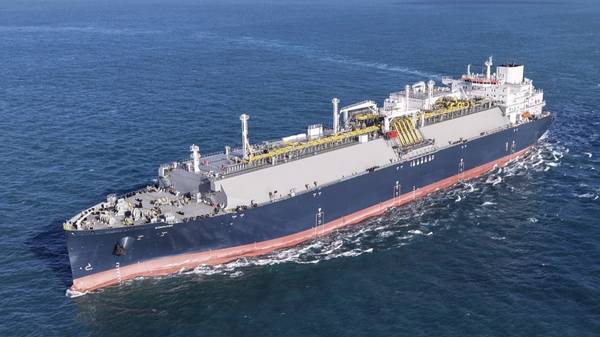
Yangzijiang Xinfu delivers first 175,000-cbm LNG carrier built by Chinese private shipyard
Vessel features two dual-fuel MAN B&W 5G70ME-C10.5-GA-EGR engines fitted with cryogenic units. |
|
|
|
||
|
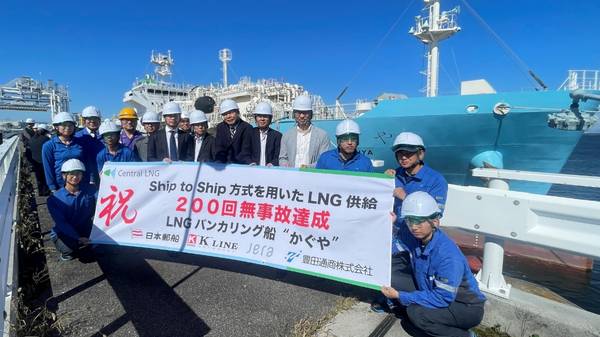
LNG bunkering vessel Kaguya completes 200th ship-to-ship operation in Japan
K Line’s joint venture vessel reaches milestone in Mikawa Bay. |
|
|
|
||
|
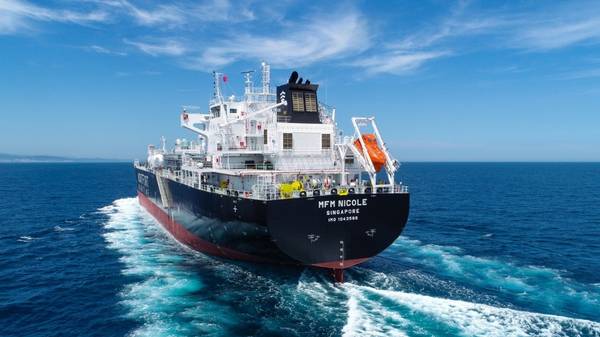
Synergy Marine adds dual-fuel LPG carrier to managed fleet
MFM Nicole joins Synergy’s gas carrier portfolio as owners weigh fuel choices ahead of MEPC 85 negotiations. |
|
|
|
||
|
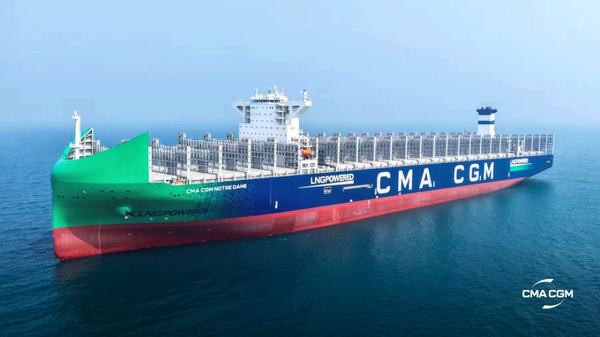
DSV to use CMA CGM’s ACT+ solution to slash shipping emissions
Danish firm targets 12,000-tonne reduction in CO₂ emissions over two years through the use of UCOME-based biofuels. |
|
|
|
||
|
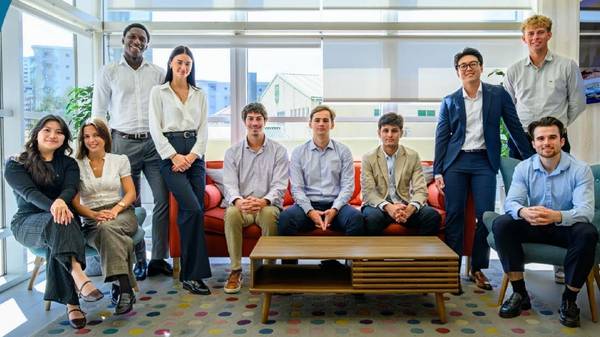
Peninsula welcomes 2026 graduate cohort across global bunkering network
Bunker firm brings new graduates into roles spanning Houston, Singapore, Gibraltar, Monaco and Las Palmas. |
|
|
|
||

|
Malik Supply appoints Mathias Krogsgård as bunker trader
Danish bunker firm adds trader with export and technology background to growing team. |
|
|
|
||

|
Biofuel adoption in shipping shifts from debate to delivery, says Peninsula's Jeroen de Vos
Marine biofuels have moved from pilot projects to routine fuel strategy, argues IBIA vice-chair. |
|
|
|
||
|
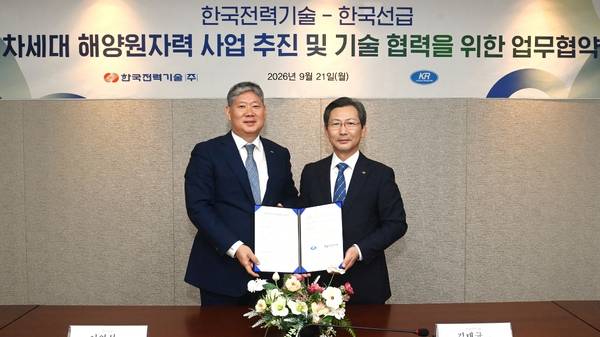
KEPCO E&C and Korean Register of Shipping to collaborate on marine SMR development
Korean firms to develop technical standards and certification pathways for the BANDI offshore small modular reactor. |
|
|
|
||
|
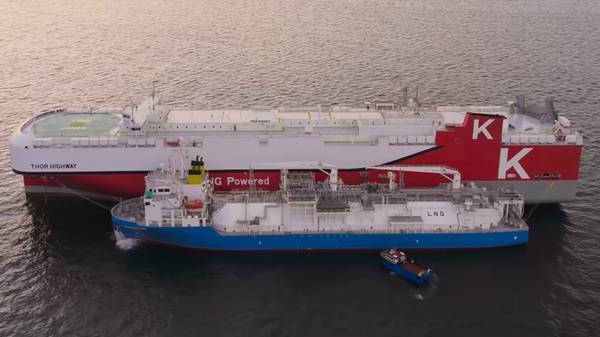
Peninsula completes first LNG bunkering operation at Sagunto
Levante LNG bunkering vessel supplies K Line car carrier in landmark delivery. |
|
|
|
||
| Wärtsilä launches new dual-fuel engine [News & Insights] |
| Fuel cell trial scheduled for December [News & Insights] |
| New technology cuts cruise ship's emissions [News & Insights] |
| Integrator role for Wärtsilä in fuel cell project [News & Insights] |
| WinGD signs global service agreement for TMS Cardiff Gas LNG carrier newbuilds [News & Insights] |
| Synergy Marine adds dual-fuel LPG carrier to managed fleet [News & Insights] |
| DSV to use CMA CGM’s ACT+ solution to slash shipping emissions [News & Insights] |
| AYK Energy to supply batteries for Kongsberg Maritime’s electric Svitzer tugs [News & Insights] |
| Wärtsilä to supply dual-fuel engines for 12 CMA CGM container ships [News & Insights] |

