
|
AEA qualifies global roster of auditors for ammonia certification system
Bureau Veritas, DNV, TÜV SÜD and three others cleared to verify low-emission ammonia credentials. |
|
|
|
||
|
IBIA early-bird registration deadline approaches for New York convention
Discounted rates available for members and non-members up until the end of August. |
|
|
|
||
|
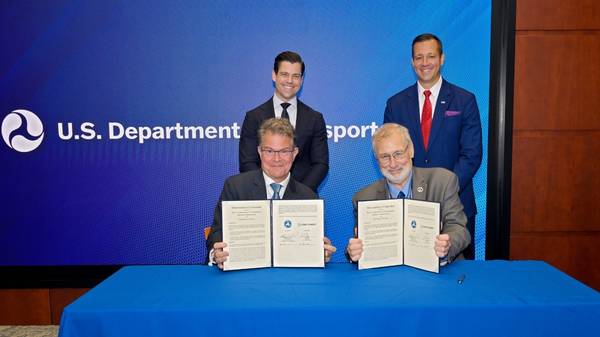
MARAD and Core Power sign cooperation framework to advance nuclear-powered merchant ships
Agreement targets first construction from 2028 as China accelerates its own nuclear shipping ambitions. |
|
|
|
||
|
GEA and DNV launch three-year ethanol data intelligence partnership
Collaboration will integrate structured global ethanol production data into DNV’s Alternative Fuels Insight platform. |
|
|
|
||

|
Perfect storm at sea: High bunker prices meet declining fuel quality | Steve Bee, VPS
VPS highlights sharp drop in fuel quality during 2026 amid higher prices. |
|
|
|
||
|
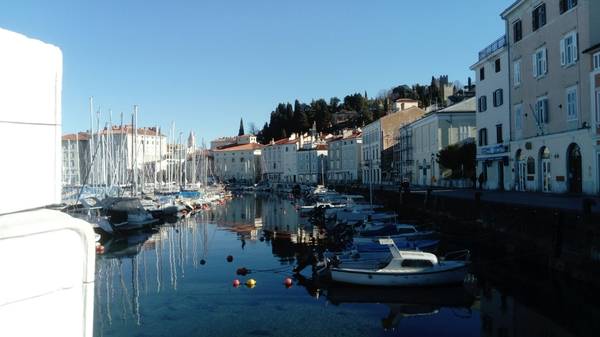
SUPERALFUEL to hold first alternative marine fuels training course in Koper
The Adriatic-Ionian initiative targets hydrogen, ammonia and methanol adoption in ports and shipping. |
|
|
|
||
|
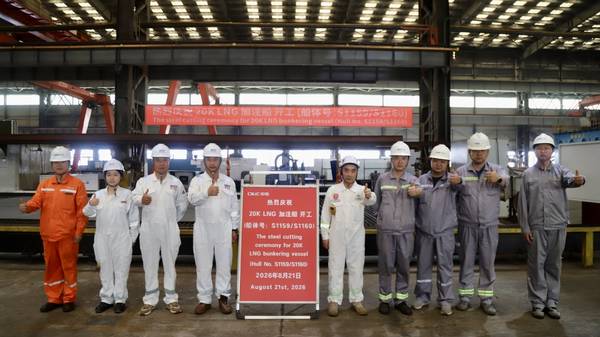
CIMC SOE cuts steel on third and fourth 20,000-cbm LNG bunker vessels for GSX Energy
Chinese shipbuilder advances series build as two hulls enter construction simultaneously. |
|
|
|
||

|
Sunoco seeks bunker trader in US to drive marine fuels growth
New hire will be tasked with expanding Sunoco's bunker business in front-line commercial trading role. |
|
|
|
||
|
Minerva Bunkering recruiting Americas sales manager as it targets regional growth
New York-based manager is sought to build customer base across North and South America. |
|
|
|
||
|
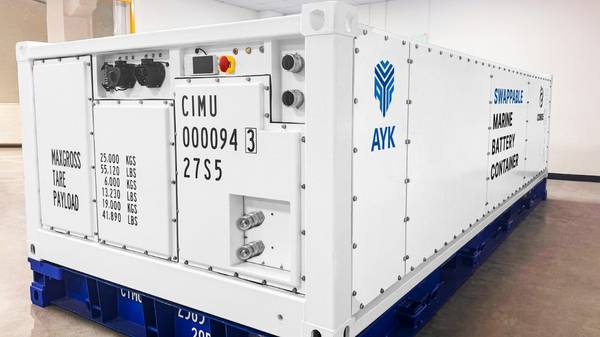
AYK Energy to unveil swappable containerised marine battery system at SMM Hamburg
The system claims to remove key cost and engineering barriers to marine electrification. |
|
|
|
||
| Ship powered by LNG fuel cells unveiled [News & Insights] |
| Fuel cells 'closer' to commercialization [News & Insights] |
| Fuel cell association to exhibit at Hamburg event [News & Insights] |
| Integrator role for Wärtsilä in fuel cell project [News & Insights] |
| AYK Energy to unveil swappable containerised marine battery system at SMM Hamburg [News & Insights] |
| Vitol and Olam Agri claim world’s first co-processed CNSL VLSFO bio-bunkering operation in Singapore [News & Insights] |
| CMA CGM methanol dual-fuel vessel makes first call at Malta Freeport [News & Insights] |
| Mitsui E&S completes commercialisation of ammonia dual-fuel engines and fuel supply systems [News & Insights] |
| CMA CGM completes world’s largest single-batch biomethanol bunkering at Shanghai [News & Insights] |

