
|
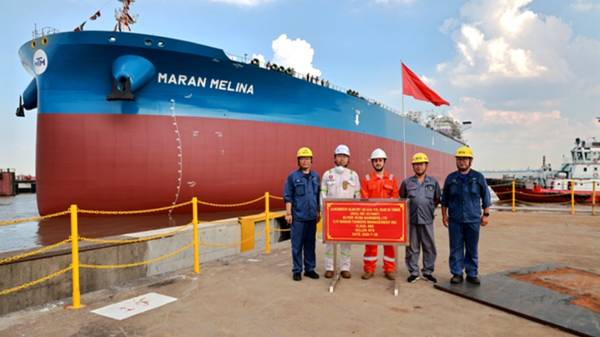
New Times Shipbuilding launches two LNG dual-fuel crude oil tankers for Maran and Capital Ship
Two 155,500-dwt LNG dual-fuel tankers floated out for Greek shipping groups. |
|
|
|
||
|
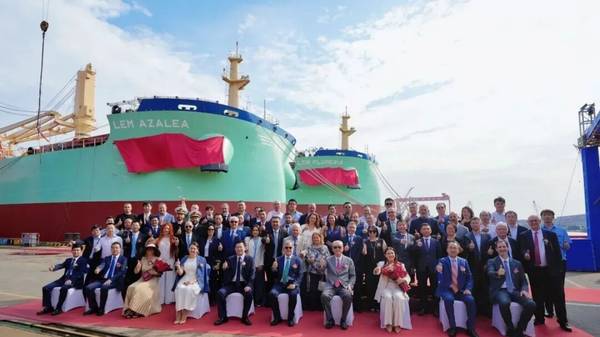
Naming ceremony held for Huangpu Wenchong's first methanol dual-fuel bulkers
Two 65,000-tonne vessels built for Limassol-based Lemissoler Navigation. |
|
|
|
||
|
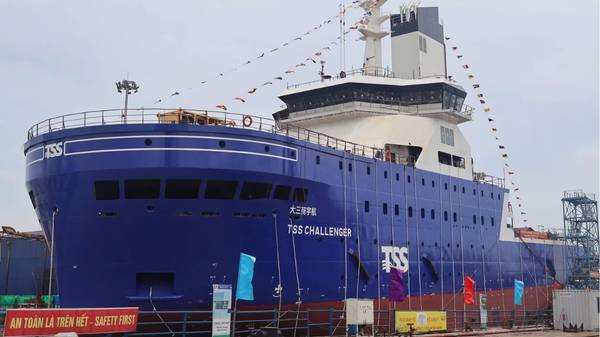
Damen launches second CSOV 9020 for TSSM, prepared for future methanol operation
The vessel, to be named TSS Challenger, is due for delivery in early 2027. |
|
|
|
||
|
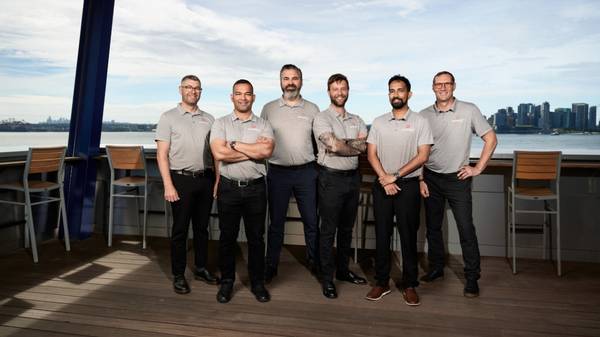
Seaspan Energy completes 150th LNG bunkering operation
Canadian LNG bunker supplier reaches milestone in under two years since launching ship-to-ship operations. |
|
|
|
||
|
Burando Energies claims 30% share of Rotterdam biofuel bunker market in H1 2026
Dutch bunker supplier says regulatory framework makes Rotterdam the most cost-effective port for biofuel compliance in Europe. |
|
|
|
||
|
BGN launches marine bunkering business on US Gulf Coast
Shipping company BGN enters retail marine fuels supply, partnering with Centerline Logistics to serve the US Gulf Coast. |
|
|
|
||
|
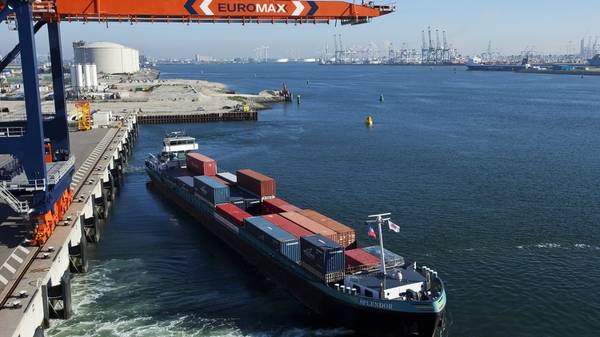
Rotterdam bunker volumes fall 25% in first half of 2026 amid regulatory pressures and market shifts
Fossil fuel sales slump as alternative fuels grow, with RED III cited as a key driver. |
|
|
|
||
|
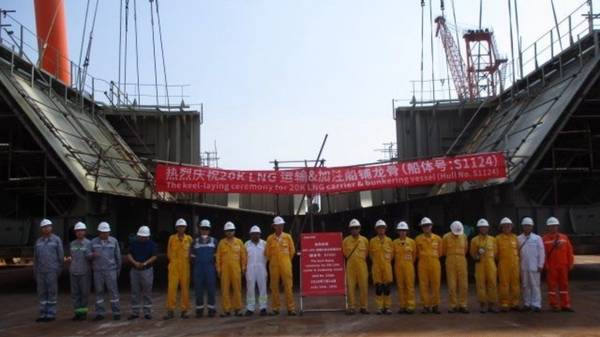
Avenir LNG marks keel laying of newbuild LNG bunker vessel in China
Ceremony held to signal the formal start of the vessel's construction at CIMC SOE. |
|
|
|
||

|
World Fuel seeks operations support representative in Dubai for marine fuels role
Company looking for detail-oriented person with strong organizational skills who is able to manage multiple priorities. |
|
|
|
||
|
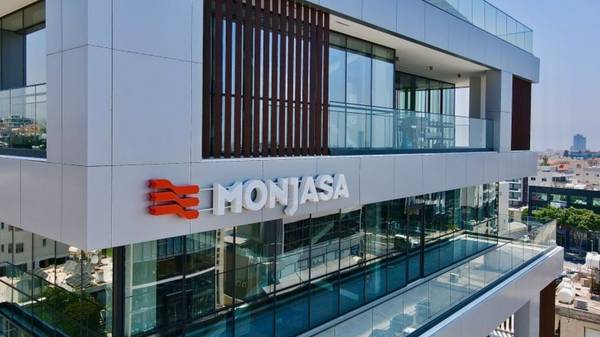
Monjasa moves to new Limassol office in regional 'commitment'
Bunker firm relocates to third office since establishing a presence in Limassol a decade ago. |
|
|
|
||
| Med average drops $15.65 [News & Insights] |
| Med average plummets $13.86 per tonne [News & Insights] |
| Med average jumps $15.12 per tonne [News & Insights] |
| ScanOcean launches physical bunker supply operations in Finland [News & Insights] |
| Belgian Trading & Bunkering expands DMA 0.89 truck deliveries in ARA region [News & Insights] |
| Rotterdam records 0.4% rise in total throughput for H1 2026 [News & Insights] |
| Peninsula extends US Gulf operation offshore [News & Insights] |
| Gasum publishes daily price for FuelEU Maritime compliance units [News & Insights] |

