
 |
Petrobras says that it will effectively double the invoiced price of MGO and LSMGO in order to maintain its net revenue, a customer notification dated 17 March explains.
The move follows last week's introduction of a 50% export tax on diesel oil, including marine gasoil (MGO) and low-sulphur marine gasoil (LSMGO), by Brazil's federal government through Provisional Measure 1,340/2026, effective 12 March.
According to Petrobras's tax department interpretation, the levy applies to the total invoice amount rather than solely the product value. To achieve a net remuneration of $1,000 per tonne, the company says it must now invoice $2,000 per tonne — with 50% representing the tax and 50% constituting Petrobras' net revenue.
The tax does not apply to very-low-sulphur fuel oil (VLSFO) sales.
Petrobras acknowledged the effect the levy would have on customers. "We are fully aware of the significant impacts of this measure on our clients and on the MGO and LSMGO market in Brazil," the company said.
The supplier has outlined different approaches for transactions at various stages of completion.
For purchases concluded but not yet delivered, Petrobras is offering clients two options: cancellation without penalties for either party, or proceeding with delivery at twice the originally agreed price to reflect the full tax impact.
For purchases already delivered but not yet invoiced, the company will adjust the stem value to incorporate the tax, resulting in payment equivalent to double the original price.
Petrobras stated it is currently assessing how to proceed with collecting the tax on purchases delivered from 12 March onwards that have already been invoiced.
For new transactions, both nomination and stem prices will fully incorporate the tax impact and may deviate from international market benchmarks, the company noted.
The provisional measure represents a significant shift in Brazil's bunker fuel market pricing structure, potentially affecting the country's competitiveness as a bunkering destination for vessels requiring distillate marine fuels.
Brazil's provisional measures are temporary legislative instruments that take immediate effect but require congressional approval within a specified timeframe to become permanent law.

|
Japan Engine completes land-based testing of landmark hydrogen-fuelled engine for large vessels
Hydrogen co-firing rate of at least 95% achieved during factory testing. |
|
|
|
||

|
Ethanol edges into shipping’s fuel mix as methanol crossover eases adoption barriers
Rising interest from cargo owners, shared technology with methanol and Brazilian production growth push ethanol beyond regional niche status. |
|
|
|
||
|
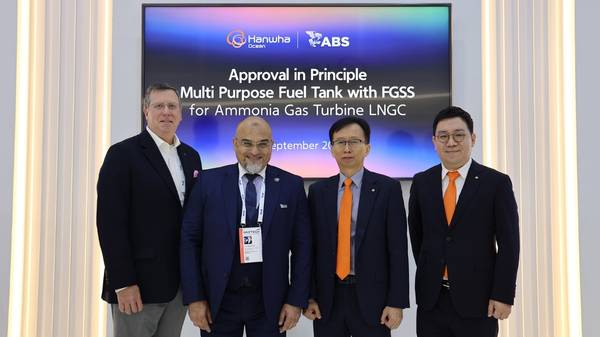
ABS grants Hanwha Ocean approval for dual-fuel tank enabling LNG-to-ammonia switch
In-principle approval awarded for fuel tank and supply system enabling LNG carriers to convert to ammonia without replacement. |
|
|
|
||
|
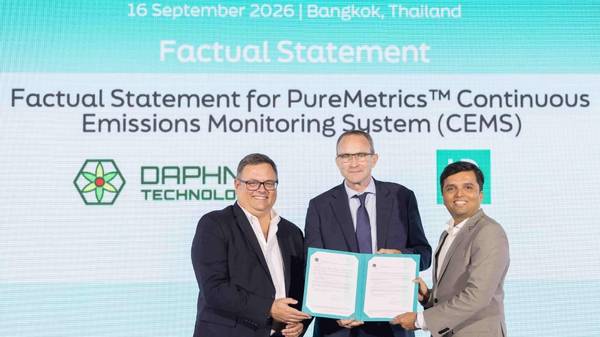
Lloyd's Register confirms suitability of Daphne Technology's emissions monitoring system
Factual Statement validates the PureMetrics design for monitoring greenhouse gas emissions from marine engines. |
|
|
|
||

|
IMO issues shipboard biofuel blend checklist developed by IBIA
Checklist for FAME-based biofuels formally incorporated into IMO document, supporting crews handling biofuel blends for the first time. |
|
|
|
||
|
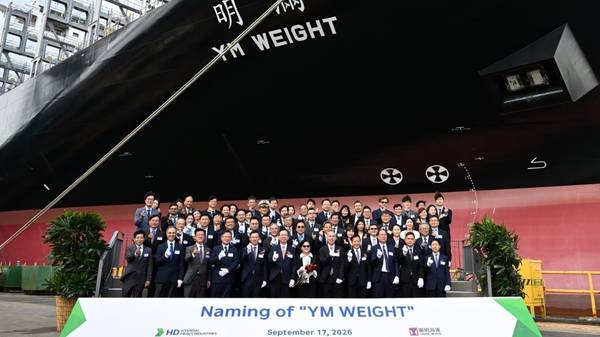
Yang Ming names fourth LNG dual-fuel container vessel YM Weight
Newbuild features high-pressure dual-fuel main engines capable of running on either LNG or low-sulphur fuel oil. |
|
|
|
||
|
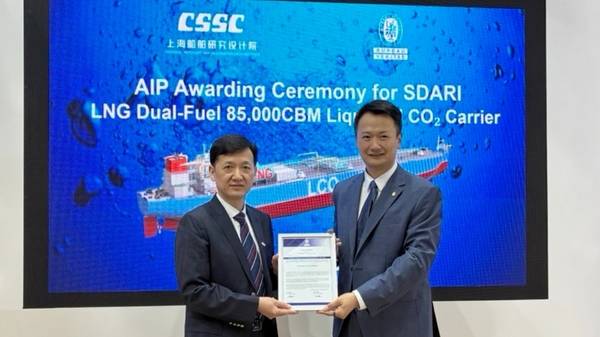
Bureau Veritas grants AiP to SDARI’s LNG dual-fuel liquefied CO₂ carrier design
Classification society approves 85,000-cbm vessel concept designed to support the growing carbon capture and storage sector. |
|
|
|
||

|
JuWonOil looking to strengthen with two Houston hires
Texas-based firm is recruiting a marine lubricants sales executive and a marine fuels and distillates trader. |
|
|
|
||
|
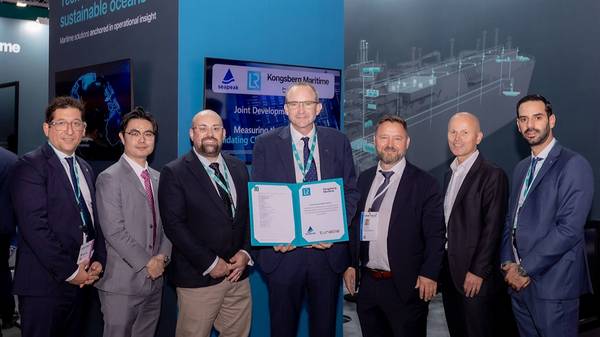
Four firms partner to trial continuous emissions monitoring on LNG carrier
LR, Seapeak, Kongsberg Maritime and Tunable will test onboard CO₂ monitoring against engine data and default emissions factors. |
|
|
|
||

|
Bunker Holding reshuffles commercial leadership across brand portfolio
Appointments announced across KPI OceanConnect, Glander International Bunkering and its digital sales operations. |
|
|
|
||
| Petrobras suspends MGO export sales following Brazilian government’s 50% export tax [News & Insights] |
| Petrobras adjusts bunker pricing and minimum order volumes at Santos [News & Insights] |
| Petrobras and Transpetro order 41 vessels worth $470m for fleet renewal [News & Insights] |
| Petrobras signs renewable bunker fuel deal with Odfjell for Brazil-Norway green corridor [News & Insights] |
| Petrobras signs 20-year LNG supply deal with Sempra Infrastructure [News & Insights] |
| Petrobras receives authorisation for export bunker sales by barge at Suape [News & Insights] |
| Petrobras resumes VLSFO sales at Itaqui as MGO supply disruption continues [News & Insights] |
| Petrobras launches barge supply operations at the Port of Suape [News & Insights] |
| Petrobras warns of extended MGO and VLSFO supply suspension at Port of Itaqui [News & Insights] |
