
 |
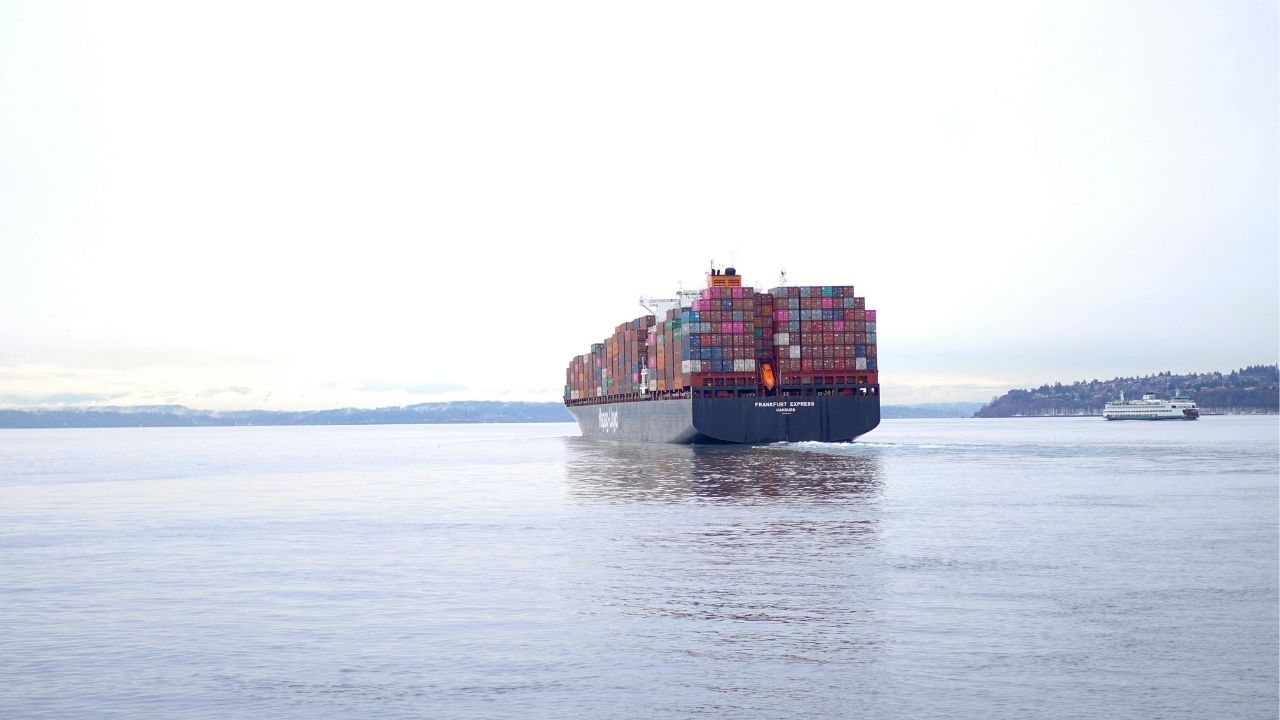
DNV will host a webinar on 11 March to discuss compliance with the FuelEU Maritime regulation as vessels move into the verification stage following the close of the first reporting period.
The classification society said more than 3,000 industry participants have already registered for the session, which will examine both regulatory and commercial aspects of the EU framework that limits the greenhouse gas intensity of energy used on board ships.
By 30 April 2026, vessels must have their compliance balance approved and recorded in the FuelEU database. This includes the use of voluntary compliance mechanisms such as borrowing or pooling arrangements.
The webinar will take place at two separate times, 9-10am CET and 4-5pm CET, to allow participation from different regions.
According to DNV, the session will include an overview of the regulation and its flexibility mechanisms, as well as guidance on the compliance balance process and its implementation through the THETIS-MRV system.
Additional discussion will focus on commercial considerations, including practical lessons related to pooling, borrowing, banking and penalties. The speakers will also address risks associated with pool management and provide recommendations for handling pooling arrangements.
The webinar will be presented by Piotr Naruszewicz, technical and regulatory advisor for greenhouse gases at DNV, and Helge Hermundsgård, head of sales for ADVANCE at DNV.
Participants who register will receive access to the presentation slides and a recording of the webinar several days after the event.
FuelEU Maritime, which entered into force in 2025, requires ships to progressively lower the greenhouse gas intensity of the energy they consume on board, with tightening limits set through to 2050.

|
Petrobras resumes bunkering operations at Rio Grande Terminal after power restoration
Brazilian supplier restarts marine fuel supply after completing an inspection following an electricity outage. |
|
|
|
||
|
Stena RoRo orders battery-ready E-Flexer 2.0 ferries from Chinese yard
Vessels include diesel engines capable of running on biodiesel and are methanol-ready. |
|
|
|
||
|
Nord Gas Solutions to supply cargo and fuel systems for eight BW LPG VLGCs
Gas-handling systems specialist awarded contract for new 90,000-cbm vessels. |
|
|
|
||
|
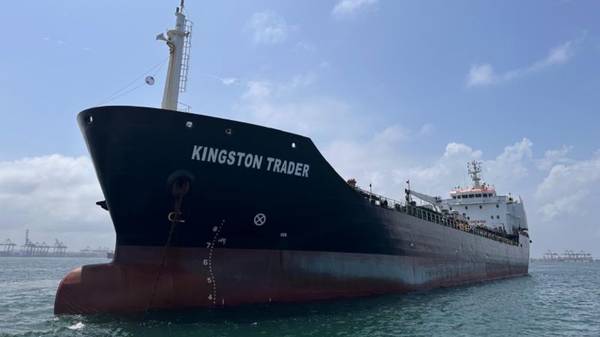
TFG Marine fits mass flow meter to Jamaica-bound bunker barge
Kingston Trader becomes the first Caribbean bunkering vessel with mass flow metering as TFG Marine’s fleet coverage nears 90%. |
|
|
|
||
|
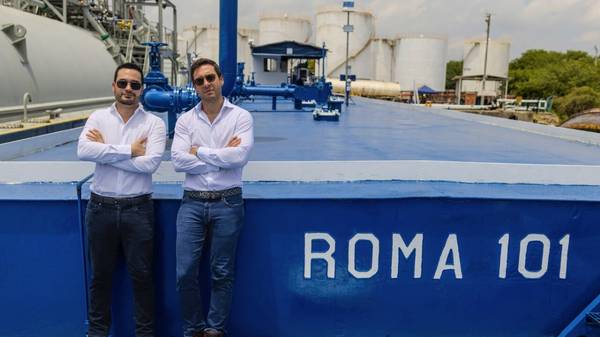
Monjasa announces full-chain marine fuel operations in Cartagena
Monjasa says it now covers the entire marine fuel supply chain in Colombia, from oil wells to ship-side deliveries. |
|
|
|
||
|
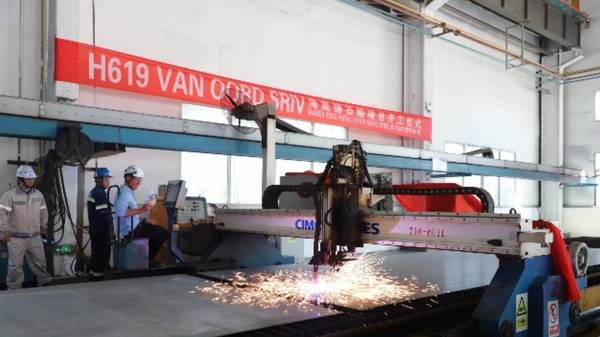
Ceremonies held for Van Oord’s methanol-hybrid rock installation vessels
Two ships advance through parallel construction at China’s CIMC Raffles shipyard. |
|
|
|
||
|
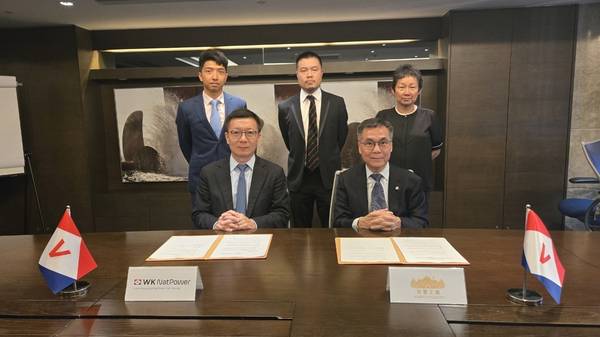
Wah Kwong NatPower signs MoU to explore Hong Kong marine electrification
Venture will examine shore power, vessel charging and electric vessel deployment around Aberdeen’s waterfront. |
|
|
|
||
|
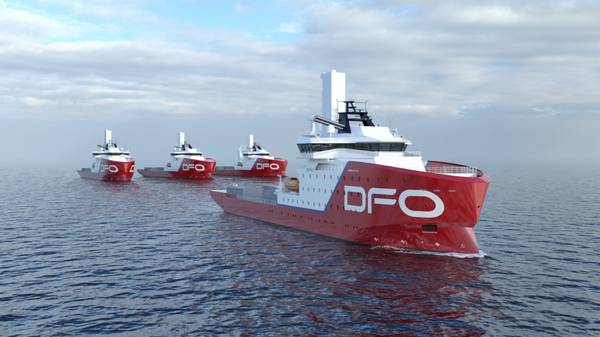
Dong Fang Offshore orders CSOV with battery-hybrid propulsion
Vard secures fifth newbuild contract from Taiwanese firm, with delivery scheduled for 2028. |
|
|
|
||
|
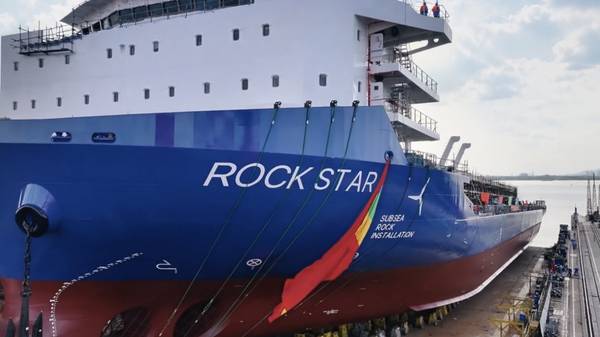
CSL and OWL launch first subsea rock installation vessel for offshore wind
MV Rock Star can run on MGO and methanol and is designed to support scour protection and cable burial for offshore wind projects. |
|
|
|
||
|
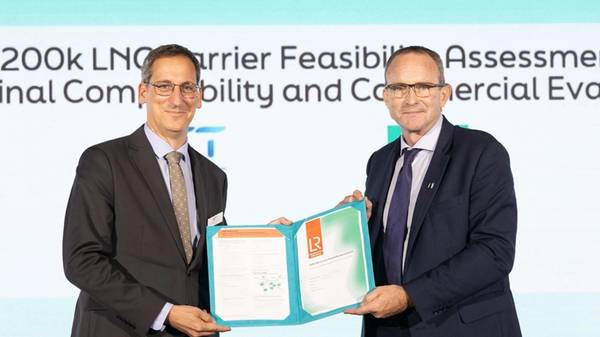
Lloyd’s Register study backs 200,000-cbm LNG carriers for fleet renewal
Analysis finds larger LNG carriers could cut transport costs while retaining access to most major terminals. |
|
|
|
||
| LR Advisory appointed by Geogas Trading to develop FuelEU Maritime compliance strategy [News & Insights] |
| BIMCO adopts FuelEU Maritime and ETS clauses for ship sales, advances biofuel charter work [News & Insights] |
| DNV clarifies FuelEU Maritime flexibility mechanisms ahead of first reporting deadline [News & Insights] |
| FuelEU Maritime regulation reshapes ship management contracts, DNV says [News & Insights] |
| FuelEU penalties spark contract disputes as first-year compliance costs emerge [News & Insights] |
| IMO and EMSA gather maritime experts to address seafarer training for alternative fuels [News & Insights] |
| IMO seminar examines technical hurdles facing ammonia as a marine fuel [News & Insights] |
| ICS to host webinar on wind-assisted propulsion for shipping [News & Insights] |
| VPS to host Hamburg seminar on fuel quality and decarbonisation [News & Insights] |
| ABS grants design approval for ammonia bunkering vessel from HD HHI and HD KSOE [News & Insights] |
