
 |
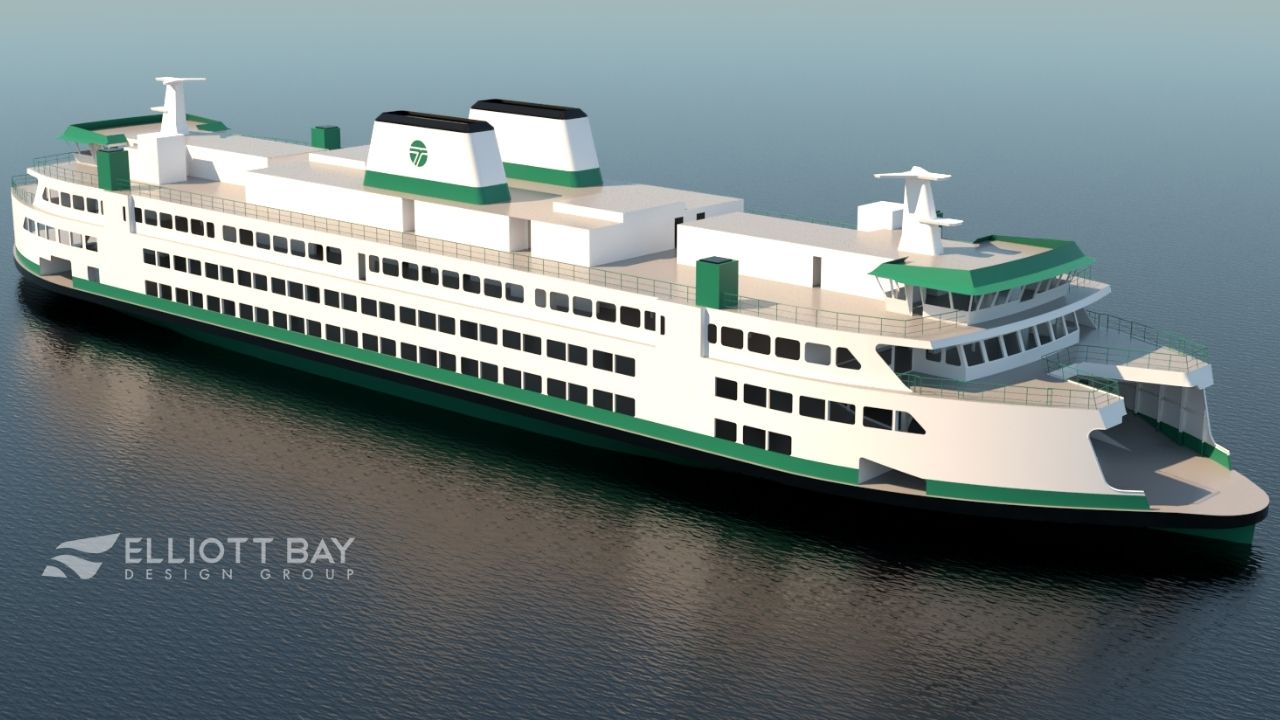
ABB has secured a contract with Washington State Ferries (WSF) to supply and integrate hybrid-electric propulsion systems for two new 160-auto ferries. This marks the first set of vessels to be built under the operator’s wider System Electrification Program (SEP).
The two vessels are scheduled for delivery from Eastern Shipbuilding Group in 2030 and 2031, with an option included for a third ferry. These newbuilds form part of WSF’s long-term plan to expand its fleet with up to 16 hybrid-electric ships by 2040 as it moves ahead with an accelerated electrification strategy to transition from diesel-powered vessels to a fully hybrid-electric system.
Under the order, ABB will deliver complete hybrid-electric packages that include power distribution systems, advanced energy management and marine automation. Each ferry will be equipped with a 13.2-megawatt-hour energy storage system. The vessels will be capable of operating fully on battery power on short routes and in port, significantly reducing emissions.
The propulsion setup is built around ABB’s Onboard DC Grid™ and its PEMS™ power and energy management platform. According to the company, this configuration will support lower fuel consumption and reduced operating costs compared with existing WSF vessels running the same services.
The order follows ABB’s earlier involvement as the propulsion single-source vendor for the project, announced in 2024, and the contract has now been amended to reflect the confirmed newbuild programme.
David Sowers, System Electrification Program Administrator for Washington State Ferries, said: "The Washington State Ferries System Electrification Program is the largest of its kind in the United States, and ABB's continued involvement, secured through this new order, helps mitigate risk and ensure on-time vessel delivery. ABB's state-of-the-art hybrid-electric propulsion systems demonstrate the company's proven expertise in complex system integration. These systems will substantially reduce emissions and enhance operational reliability across the WSF fleet, advancing our long-term modernisation objectives and helping people and businesses thrive throughout the Puget Sound."
According to ABB, the systems will also reduce vessel noise and vibrations, increasing passenger and crew comfort while minimising impact on local wildlife and coastal communities.
Bruce Strupp, Vice President Americas at ABB's Marine & Ports division, commented: "This contract marks another important step in our collaboration with Washington State Ferries. It reflects the trust placed in ABB's hybrid-electric propulsion technology and our ability to deliver reliable, scalable solutions that support WSF's long-term sustainability goals. We're proud to continue helping WSF modernise its fleet to maintain reliable service and reduce environmental impact."
Washington State Ferries operates the most extensive ferry network in the United States, according to the Washington State Department of Transportation.
|
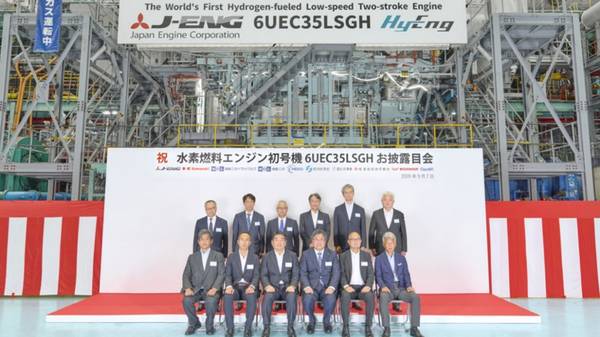
Japan Engine completes land-based testing of landmark hydrogen-fuelled engine for large vessels
Hydrogen co-firing rate of at least 95% achieved during factory testing. |
|
|
|
||
|
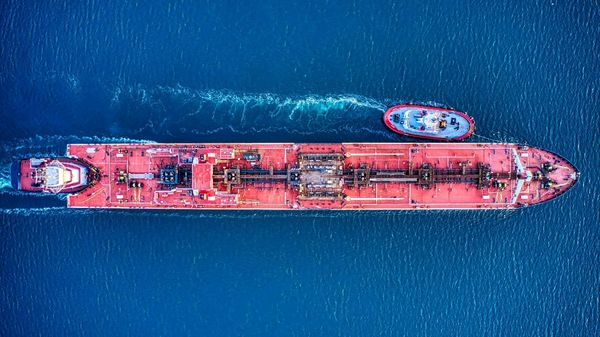
Ethanol edges into shipping’s fuel mix as methanol crossover eases adoption barriers
Rising interest from cargo owners, shared technology with methanol and Brazilian production growth push ethanol beyond regional niche status. |
|
|
|
||
|
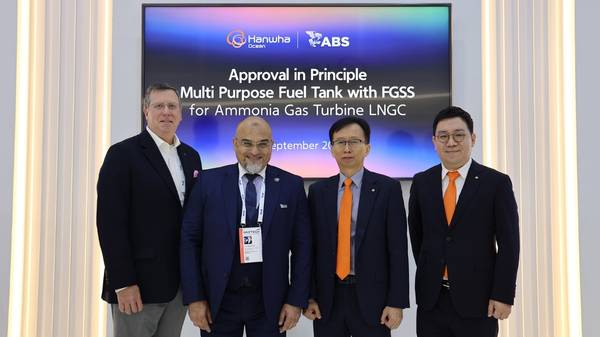
ABS grants Hanwha Ocean approval for dual-fuel tank enabling LNG-to-ammonia switch
In-principle approval awarded for fuel tank and supply system enabling LNG carriers to convert to ammonia without replacement. |
|
|
|
||
|
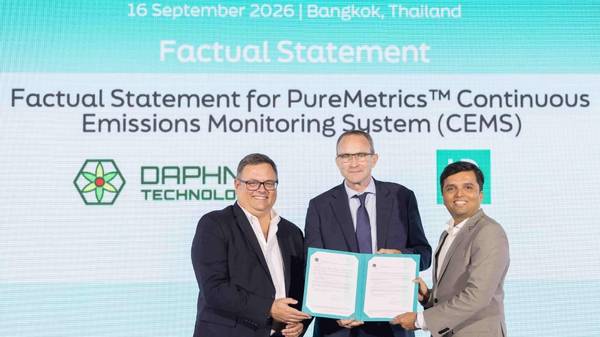
Lloyd's Register confirms suitability of Daphne Technology's emissions monitoring system
Factual Statement validates the PureMetrics design for monitoring greenhouse gas emissions from marine engines. |
|
|
|
||

|
IMO issues shipboard biofuel blend checklist developed by IBIA
Checklist for FAME-based biofuels formally incorporated into IMO document, supporting crews handling biofuel blends for the first time. |
|
|
|
||
|
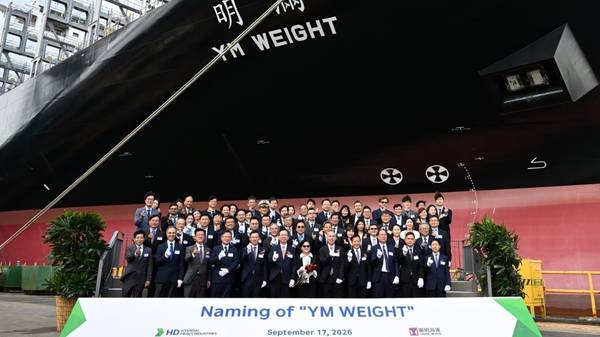
Yang Ming names fourth LNG dual-fuel container vessel YM Weight
Newbuild features high-pressure dual-fuel main engines capable of running on either LNG or low-sulphur fuel oil. |
|
|
|
||
|
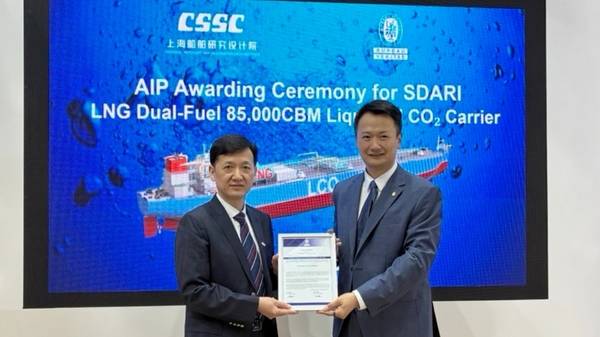
Bureau Veritas grants AiP to SDARI’s LNG dual-fuel liquefied CO₂ carrier design
Classification society approves 85,000-cbm vessel concept designed to support the growing carbon capture and storage sector. |
|
|
|
||

|
JuWonOil looking to strengthen with two Houston hires
Texas-based firm is recruiting a marine lubricants sales executive and a marine fuels and distillates trader. |
|
|
|
||
|
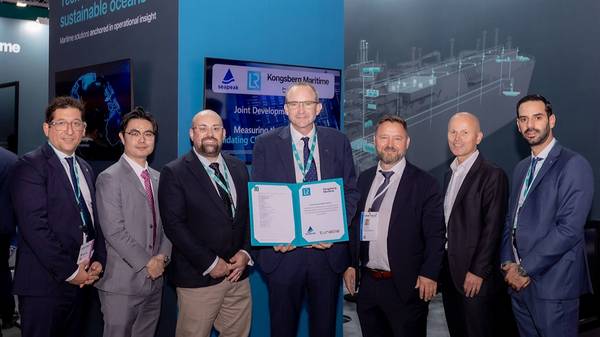
Four firms partner to trial continuous emissions monitoring on LNG carrier
LR, Seapeak, Kongsberg Maritime and Tunable will test onboard CO₂ monitoring against engine data and default emissions factors. |
|
|
|
||
|
Bunker Holding reshuffles commercial leadership across brand portfolio
Appointments announced across KPI OceanConnect, Glander International Bunkering and its digital sales operations. |
|
|
|
||
| Wärtsilä wins contract for electric propulsion systems on two Danish ferries [News & Insights] |
| Baleària to trial methanol-to-hydrogen system on electric ferry [News & Insights] |
| AYK Energy secures contract for world's first fully electric intercontinental ferries [News & Insights] |
| Baleària Canarias completes first truck-to-ship LNG bunkering for fast ferry at Tenerife [News & Insights] |
| MacGregor wins ro-ro equipment contract for TT-Line’s battery-hybrid LNG ferries [News & Insights] |
| ABB wins power, propulsion and automation contract for New Zealand’s new Cook Strait ferries [News & Insights] |
| ABB wins power, propulsion and automation contract for New Zealand’s new Cook Strait ferries [News & Insights] |
| Flexibility, not fuel choice, is key to energy transition, says Auramarine [News & Insights] |
