
 |
Maersk reports that bunker costs increased year-on-year (YoY) by $408m in the second quarter (Q2) of 2024.
Fuel expenses in Q2 amounted to $1.85bn — a rise of 28.3% on the $1.44bn posted for the corresponding period in 2023.
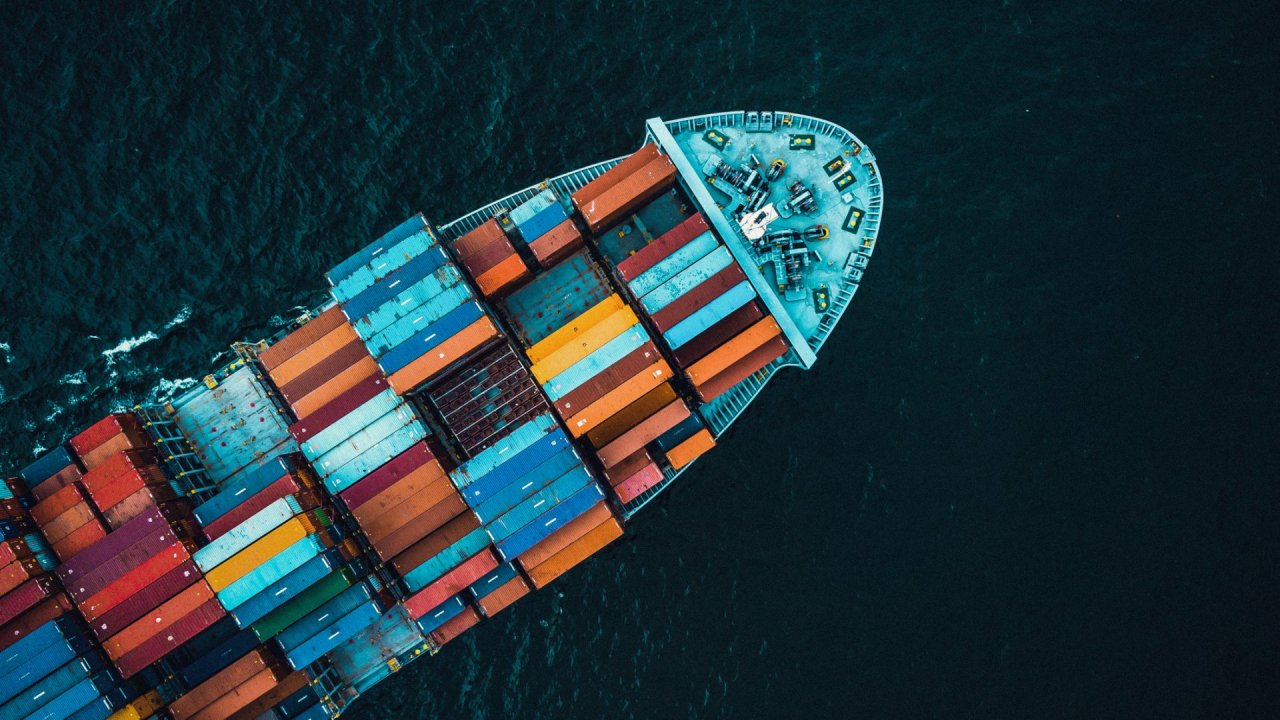
Excluding the EU Emissions Trading System (ETS) effect of $28m, Maersk noted that bunker costs had risen by 26%. This was said to be partly due to a YoY growth in fuel consumption of 430,000 tonnes, or 17.7%, to 2.862m tonnes as a result of ship reroutings via the Cape of Good Hope. The second reason being the $44 — or 7.4% — uptick in the average bunker price to $636 per tonne, compared to the previous year's figure of $592.
Q2 bunker consumption for Maersk, 2020-2024
Bunker consumption in '000 tonnes.
| Year | Bunker consumption ('000 tonnes) |
|---|---|
| 2020 | 2333 |
| 2021 | 2725 |
| 2022 | 2651 |
| 2023 | 2432 |
| 2024 | 2862 |
Q2 average bunker price for Maersk, 2020-2024
Average bunker price in $ per tonne.
| Year | Bunker price ($/mt) |
|---|---|
| 2020 | 328 |
| 2021 | 475 |
| 2022 | 827 |
| 2023 | 592 |
| 2024 | 636 |
In its financial results, the Ocean division's operating earnings (EBITDA) declined YoY by $852m, or 37.7%, to $1.407bn, and profit before financial items (EBIT) fell $735m, or 61.0%, to $470m.
As regards overall group performance, Maersk posted a net underlying profit of $623m — a decrease of $723m, or 53.7%.
In its guidance for the rest of 2024, Maersk said a $100 change in the price of bunker fuel would lead to the group's EBIT varying by $0.2bn.
|
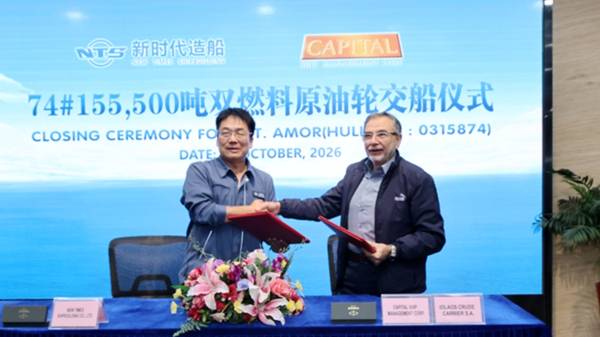
LNG dual-fuel crude tanker handed over to Capital
Jiangsu New Times Shipbuilding delivers the 155,500-DWT LNG dual-fuel crude oil vessel Amor. |
|
|
|
||

|
Gasum names Lowina Lundström as vice president, biogas
Former EIT InnoEnergy executive joins Gasum's management team to lead biogas business development from 1 December. |
|
|
|
||
|
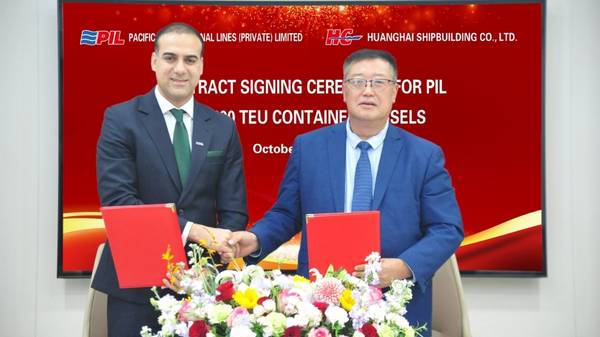
PIL orders seven methanol-ready feeder vessels from Huanghai Shipbuilding
Singapore carrier's 1,400-TEU newbuilds will boost intra-Asia capacity and support its 2050 net zero target. |
|
|
|
||
|
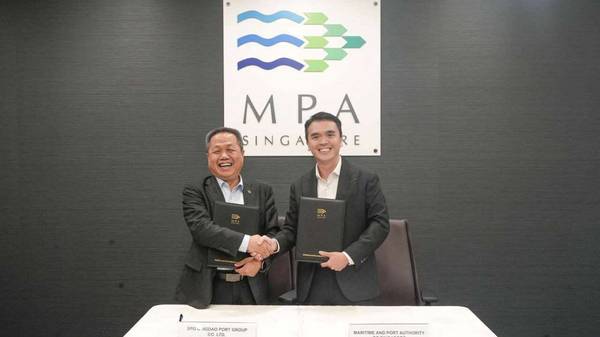
Singapore and Qingdao sign work plan to advance green and digital shipping corridors
MPA and Shandong Port Group’s Qingdao Port have agreed to pursue methanol bunkering pilots and data-sharing initiatives between the two ports. |
|
|
|
||
|
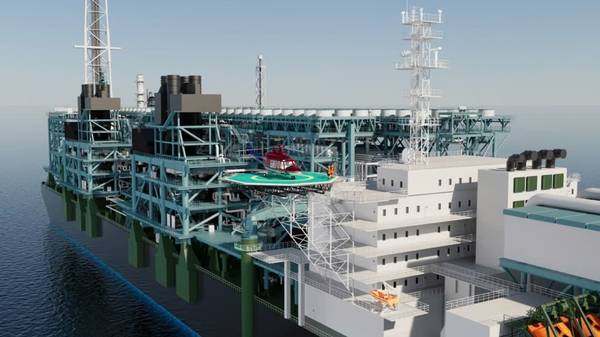
Wärtsilä to supply dual-fuel engines and thrusters for Delfin Midstream's FLNG vessel
Finnish technology group lands propulsion order for first floating LNG vessel built for US Gulf export project. |
|
|
|
||
|
Uni-Fuels advertises for senior bunker trader in Dubai
Nasdaq-listed firm recruiting for its trading team as it aims to drive growth. |
|
|
|
||
|
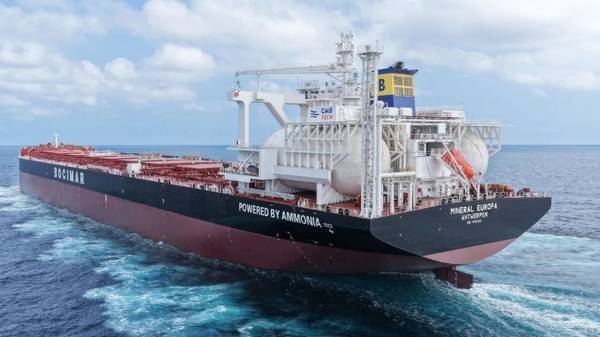
Green ammonia bunkered to ammonia-powered bulk carrier in Australian first
Pilbara Ports, Fortescue and CMB.Tech complete a ship-to-ship ammonia transfer at Port Hedland, supporting plans for a clean fuel bunkering hub in the region. |
|
|
|
||
|
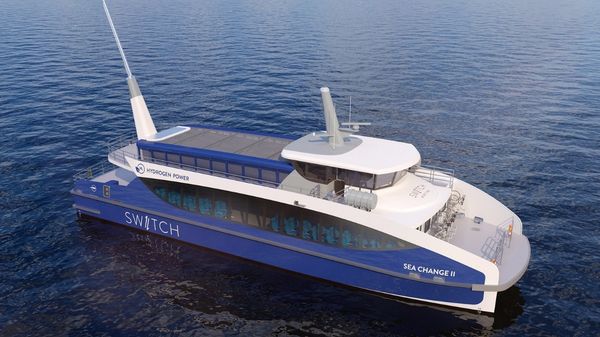
US Coast Guard agrees design framework for hydrogen-fuelled New York ferry
Switch Maritime and Incat Crowther reach regulatory agreement for a 150-passenger hydrogen fuel cell-electric fast ferry intended for New York's waterways. |
|
|
|
||
|
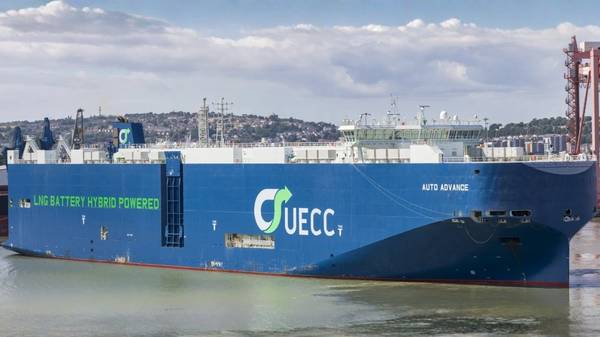
UECC fits WE Tech hybrid power systems on newbuild ro-ro vessels
Norwegian short-sea operator says battery and shaft generator technology from WE Tech Solutions has cut fuel use and auxiliary engine reliance on three newbuilds. |
|
|
|
||
|
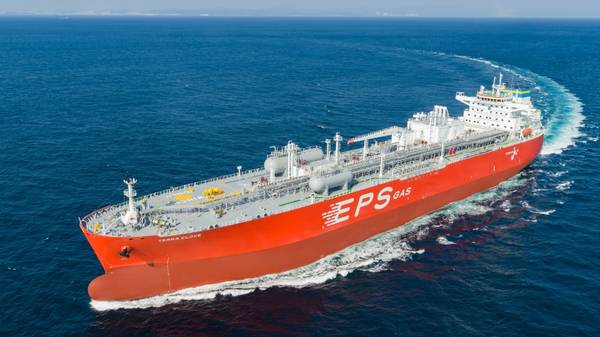
Envision's green ammonia used to bunker world's first VLAC
Chinese energy group supplies vessel owned by Eastern Pacific Shipping as it links production and marine fuel supply chains. |
|
|
|
||
| Maersk signs green methanol deal with China's Goldwind [News & Insights] |
| Maersk posts $930m drop in Q3 fuel costs [News & Insights] |
| Maersk procures fuel for world's first methanol-enabled boxship [News & Insights] |
| Maersk Tankers names second gas carrier in South Korea [News & Insights] |
| BSM takes over methanol-fuelled Maersk Torino, building alternative fuel experience [News & Insights] |
| Singapore completes world's largest ethanol bunkering operation [News & Insights] |
| WinGD engine completes first in-service ethanol voyage on Maersk container ship [News & Insights] |
| Maersk completes first US ethanol bunkering of a deep-sea container ship [News & Insights] |
