Thu 11 Sep 2008, 13:36 GMT

High demand for Chemoil in Gulf of Mexico


Supplier says increase is due to more vessels seeking to create cost efficiencies.


Physical bunker supplier Chemoil has experienced substantial demand for its offshore supply service in the Gulf of Mexico during its first year of operation, the company says in a statement issued today.

According to the SGX-listed company, the surge has been underpinned by increasing numbers of vessels spanning very large crude carriers (VLCC’s), smaller tankers and bulk carriers seeking new ways to create cost efficiencies amid rising fuel costs and higher charter rates.

Since officially launching operations in August 2007 to end a five-year service gap in the US Gulf offshore market, Chemoil has tripled its capacity to over 50,000 deadweight tons (DWT).

According to Chemoil, the decision to raise capacity to this level through chartering a second vessel, the 36,000DWT tanker Nordic Ruth in June 2008 reflects how operators are increasingly realizing significant operational and commercial benefits of combining lightering and refueling activities in one location rather than making costly and time-consuming deviations to refuel in areas such as the Caribbean.

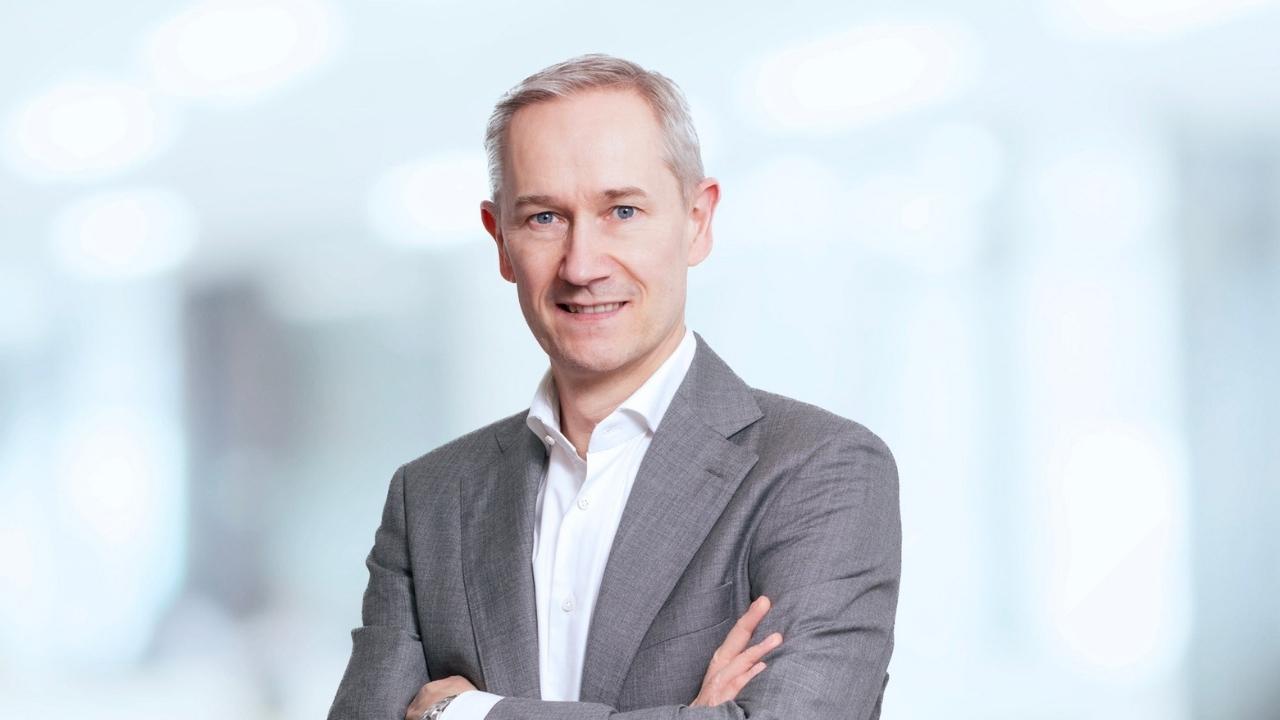
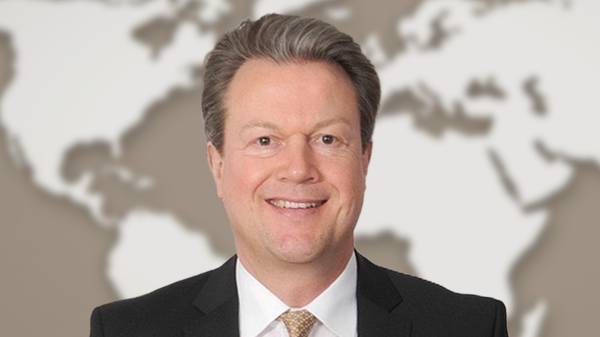
Adrian Tolson [pictured], Chemoil’s Vice President of Sales and Marketing commented: “Ship operators of all sizes are now focusing on where they can maximize efficiencies and reduce costs to alleviate current financial pressures. This is vital as they are operating in tough economic times with volatile and high fuel prices but are still challenged with generating more efficiencies and cost reductions in their supply chain. During the first year of operations in the Gulf of Mexico customer demand has grown steadily and we anticipate that this will continue as more operators convert to refueling offshore for these reasons.

“In addition to combining lightering and refueling activities to optimize efficiency, the offshore service is cost-effective as it avoids the expensive barging fees that ships often encounter in US waters. Furthermore, by working with the same supply partner in both the Gulf of Mexico and the Arabian Gulf – with the addition of Chemoil supply services in Fujairah in early 2008 - operators benefit from the advantages of reliable product supply and high quality operations, all of which keep costs and downtime to a minimum.”

Operated by Chemoil Latin America, the company now charters two vessels that work simultaneously - the 36,000 DWT tanker Nordic Ruth and the original vessel, MY Atlantic - across key locations that include Offshore Galveston, Texas and the Louisiana Offshore Oil Port (LOOP).

Singapore-based BW Shipping Managers Pte Ltd, part of the multinational maritime BW Group, is just one customer that says it has benefited from the service.

Captain Robin Williams, General Manager of Fleet Operations, BW Shipping explained: “Scheduling our VLCCs for bunkers after lightering offshore in the Gulf of Mexico, would often result in considerable deviation to locations in the Caribbean, particularly when vessels were returning to Northern Europe or the Mediterranean. Now by using Chemoil’s offshore bunker service in the Gulf of Mexico, we have actively reduced the need to do this.

"Even on voyages back to West Africa load ports, where refueling in the Caribbean used to be the only option, Chemoil’s competitively priced bunkers in the Gulf of Mexico now provide a more cost effective alternative. We have therefore welcomed this offering as it has helped us to notably boost the efficiency of our operations and manage our fuel costs more effectively on all routes within this region.”

Tolson concluded: “Our operations in the Gulf of Mexico highlight our adaptability and commitment to finding the most effective means of providing quality products and services for our customers amid changing market conditions. As more customers convert to this offshore service, this reaffirms our strategy of developing international supply services in key strategic locations. Together with the success of our Singapore and Fujairah operations we are now in the next phase of development and have the necessary infrastructure and operational capabilities to ensure sustained growth in these regions.”


Hapag-Lloyd and DSV logo side by side. Hapag-Lloyd and DSV sign 18,000-tonne CO2e reduction agreement for sustainable marine fuels  

Two-year framework allows inclusion of alternative fuels beyond biofuels in shipping decarbonisation partnership.

Bangkok city skyline. Uni-Fuels opens Thailand office as part of Southeast Asia expansion  

Marine fuel supplier establishes Bangkok entity, appoints managing director with 15 years’ industry experience.

Washington State Hybrid-Electric 160-Auto Ferry vessel render. Corvus Energy to supply battery systems for Washington State Ferries hybrid vessels  

ABB selects Corvus for two new 160-vehicle ferries as part of $3.98bn electrification plan.

Vinssen and Mana Engineering sign MoU. Vinssen, Mana Engineering partner on hydrogen fuel cell retrofit for 800-teu feeder vessel  

South Korean and Dutch firms to pursue Lloyd’s Register approval for hybrid retrofit concept.

Hercules Elisabeth vessel. Hercules Tanker Management takes delivery of second Ultra-Spec vessel in China  

Hercules Elisabeth is the second of 10 hybrid-ready tankers designed for alternative fuels.

Wolf 1 vessel. Petrol Ofisi launches fuel supply tanker Wolf 1  

Turkish bunker supplier adds 1,750-dwt vessel with alternative fuel infrastructure to fleet.

BIMCO meeting. BIMCO to convene for adoption of biofuel clause and ETS provisions at February meeting  

Documentary Committee to consider new contractual frameworks for alternative fuels and emission trading scheme compliance.

Sea Change II vessel render. Incat Crowther and Switch Maritime develop 150-passenger hydrogen ferry for New York  

Design work begins on 28-metre vessel with 720 kg hydrogen capacity and 25-knot speed.

Aerial view of a container vessel. HIF Global signs heads of agreement with German eFuel One for 100,000 tonnes of e-methanol annually  

Deal covers supply from HIF’s Uruguay project, with e-methanol meeting EU RED III standards.

Welcoming of Kota Odyssey at Jordan’s Aqaba Container Terminal. PIL’s LNG-powered vessel makes maiden call at Jordan’s Aqaba port  

Kota Odyssey is Pacific International Lines’ first LNG-fuelled ship to call at the Red Sea port.


 Recommended