
|
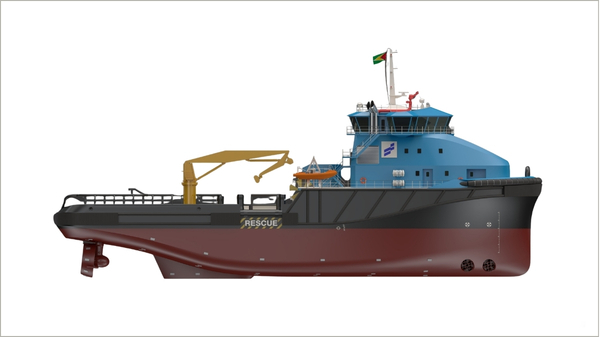
Berg Propulsion to supply electric propulsion for Türkiye’s most powerful tugs
Swedish firm contracted for four diesel-electric firefighting tugs with over 130-tonne bollard pull capacity. |
|
|
|
||
|
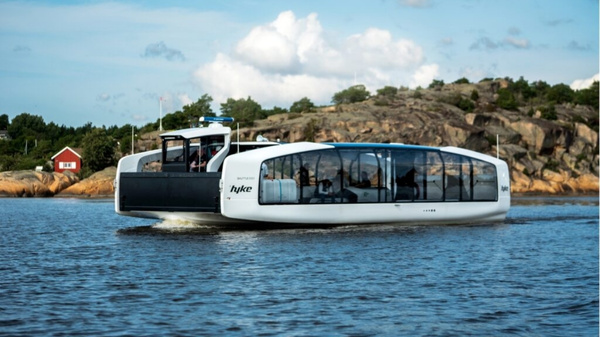
Hyke partners with Pascal Technologies for electric ferry powertrain in Norway
Pascal Technologies to supply integrated powertrain platform for Hyke F-15 Shuttle ordered by Cityboat. |
|
|
|
||
|
The importance of fast turnaround times for bunker fuel analysis in today’s market | Thomas Schmidt, VPS
Rapid and reliable fuel quality intelligence is critical to protecting vessels, machinery, operations and commercial performance. |
|
|
|
||
|
BTB achieves record bunker volumes in March
De Wit celebrates achievement with pizza delivery to office staff and vessel crews. |
|
|
|
||
|
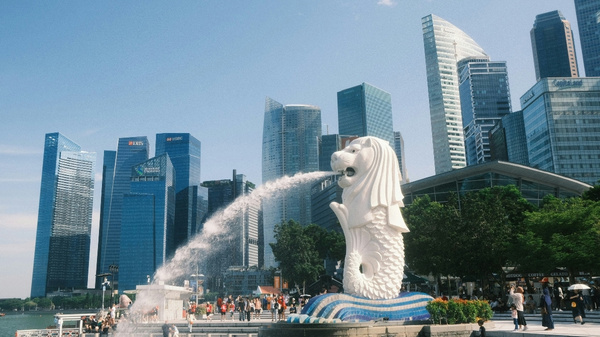
Flex Commodities seeks accounts and admin executive for Singapore office
Bunker trader recruiting for finance role requiring up to five years’ experience. |
|
|
|
||

|
Cargill hiring marine fuels sourcing specialist in Houston
Agricultural commodities trader recruiting for bunker procurement role with minimum four years' experience. |
|
|
|
||
|
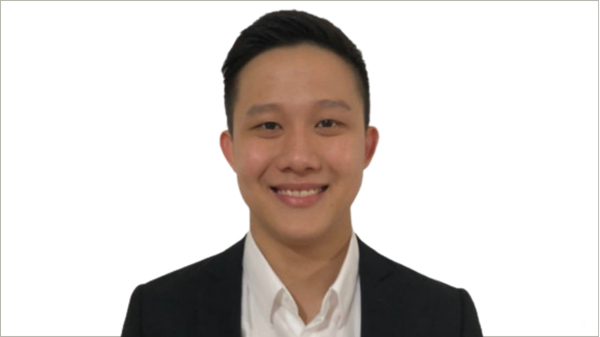
Arte Bunkering promotes Ron Wong to trading manager after six years
Wong has built relationships with clients and the team during his tenure at the company. |
|
|
|
||
|
Liquid Wind parent company declared bankrupt, business put up for sale
Swedish e-fuel facility developer enters bankruptcy proceedings, with subsidiaries across three Nordic countries now available for acquisition. |
|
|
|
||
|
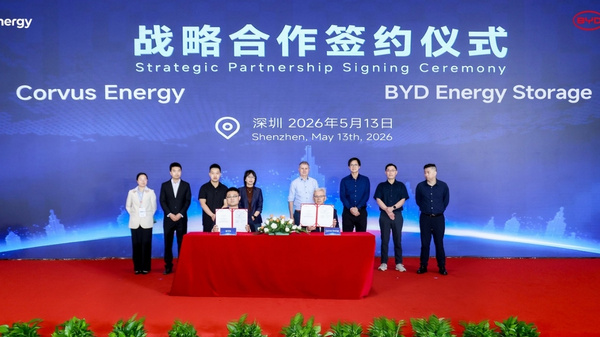
Corvus Energy and BYD Energy Storage sign strategic agreement for marine battery development
Norway-based Corvus and Chinese firm BYD formalise partnership for next-generation lithium iron phosphate systems. |
|
|
|
||
|
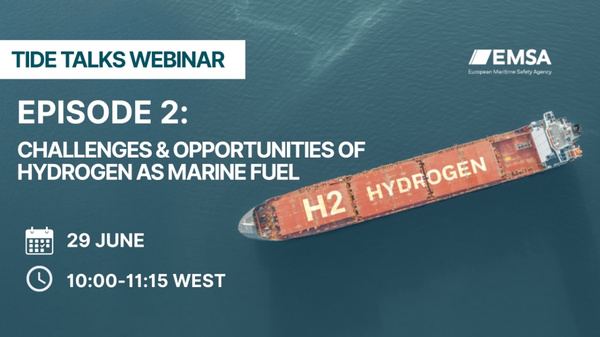
EMSA to host webinar on hydrogen as marine fuel
Second episode of Tide Talks series scheduled for 29 June draws on agency studies. |
|
|
|
||
| GS Caltex to begin supplying 500-cst - source [News & Insights] |
| MoU on environmental initiatives in South Korea [News & Insights] |
| Aegean and SK Lubricants announce cooperation agreement [News & Insights] |
| LNG bunkering feasibility study in South Korea [News & Insights] |
| Nordic Energy Partners expands to Singapore with new operations hire [News & Insights] |
| VPS campaign claims 12,000 tonnes of CO₂ savings across 300 vessels [News & Insights] |
| MoU signed to develop LNG bunkering facility at Vizhinjam [News & Insights] |
| BPCL and Cochin Port sign MoU for LNG bunkering facilities [News & Insights] |
| JERA Nex bp commissions hydrogen refuelling station at Port of Ostend [News & Insights] |

