Thu 25 Jul 2013, 14:22 GMT

Bunker delivery software launched


System can be used to monitor marine fuel deliveries.


Krill Systems Inc., a provider of advanced vessel fuel measurement and monitoring systems (VFMMS), has announced the introduction of a new, advanced, bunkering solution, Krill Bunkering System software (KBS-100).

KBS-100 can be ordered as a separate stand-alone system, incorporated into an existing Krill system, or ordered as part of a larger Krill VFMMS system for comprehensive fuel management, including bunkering.

The system uses OIML/MID approved, third party, mass-measuring meters to minimize inherent inaccuracies found in two and three phase heavy fuel oil (HFO) transfers. Flow rate, temperature and density are displayed in real time both digitally and graphically and a ‘Bunkers in Progress’ display area shows the total volume of bunkers delivered, ticket number, start time and stop time and an area where notes can to be entered. A ticket can be printed as soon as bunkering is completed. Bunker history, showing all relevant information, including aeration percentage, is always stored and displayed for every bunkering event.

According to Krill, one important feature is that back-flow oil is measured as a negative and therefore reflected as bunkers not having been delivered.

Krill Systems uses Microsoft SQL server database technology to record all sensor data with 2-second resolution and storage capacity of at least one year with unlimited roll-over capacity (ROC).

Any communication system including Cellular or satellite internet access, supporting standard SMTP email protocols, may be used to transmit customizable reports and sensor data menus, in Excel format, to any number of operators, anywhere, with no monthly fees or charges.

"The KBS-100 was developed at the request of many of our clients, for a variety of applications," said Brian Staton, Vice-President of Sales and Marketing. "They told us what they needed and how they wanted the information to be displayed. We have paid close attention to their input in developing this product. After thorough Beta-testing and feedback received from several successful fittings, we believe we have more than met their expectations and are pleased to have been able to provide them with the solutions they were looking for."

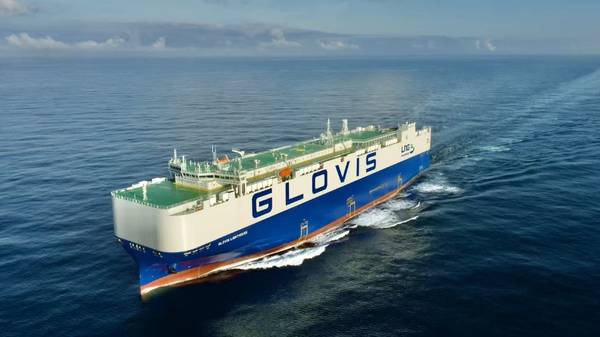
Glovis Lighthouse vessel. Seaspan takes delivery of first 10,800 CEU dual-fuel LNG car carrier  

Glovis Lighthouse enters service as one of a handful of vessels globally to exceed 10,000 CEU capacity.

Port of Rotterdam, Maersk, Core Power and Lloyd's Register logos. Rotterdam study maps pathway for nuclear-powered commercial ship port calls  

A joint study by Lloyd's Register, the Port of Rotterdam, Core Power and Maersk examines the feasibility of nuclear vessel port calls.

Hakata waterfront. Kinkai Yusen conducts first biofuel demonstration on domestic ro-ro vessel at Hakata Port  

Japanese shipping company to trial B24 biofuel blend aboard the vessel Nanotsu on 16 June.

Norwegian Energy Trading (NET) AS logo. Norwegian Energy Trading renews ISCC certification for biofuel trading  

Norwegian bunker trader says renewal reflects growing biofuel volumes and commitment to verifiable sustainability standards.

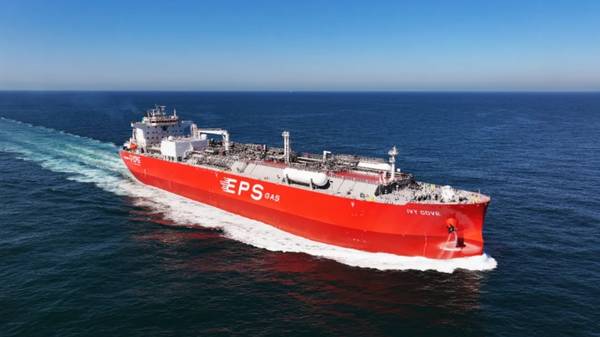
Ivy Cove vessel. Jiangnan delivers VLAC with LPG dual-fuel main engine  

Vessel is claimed to be the world’s first 93,000 cbm very large ammonia carrier.

BIMCO logo. BIMCO adopts biofuel clause for time charter parties  

The shipping body has introduced a new contractual clause to govern the use of biofuels under time charter agreements.

Prince Madog hydrogen fuel cell retrofit receives LR certification. UK research vessel Prince Madog wins LR certification for hydrogen fuel cell retrofit  

Lloyd’s Register certifies what is claimed to be the first sea-going, manned hydrogen retrofit of its kind.

World Fuel logo. World Fuel seeks marine lube operations and sales executive in Greece  

US firm is recruiting for a commercial role focused on marine lubricants, based out of its Glyfada office.

ECSA Parliamentary Breakfast event. European Shipowners calls for fuel supplier mandates and ETS revenue investment ahead of policy revision  

Industry body urges EU policymakers to redirect carbon revenues into clean marine fuel production.

Coral Energy vessel at Klaipeda LNG terminal. Gasum secures LNG terminal capacity at Klaipėda through 2040  

Nordic energy company locks in long-term LNG supply access to serve northwestern European markets.