
|
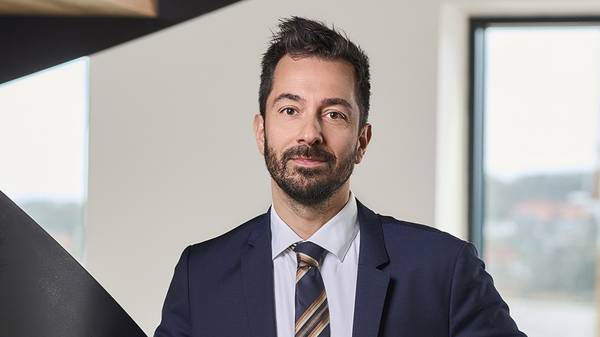
Bunker Holding appoints Global Risk Management's Jacob Nørgaard as CFO
Michael Krabbe steps down after eight years with the company. |
|
|
|
||
|
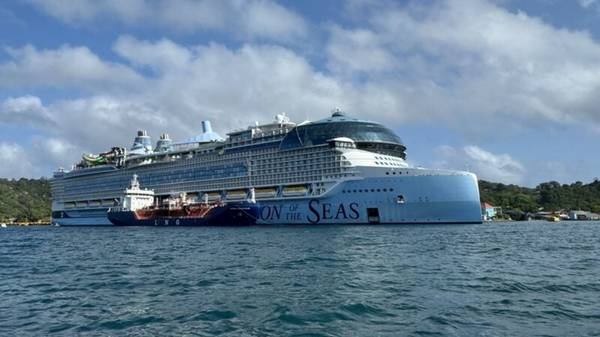
Avenir LNG vessel completes first LNG bunker delivery to Icon of the Seas in Honduras
Avenir Advantage delivers LNG to Royal Caribbean cruise ship in operation involving Axpo. |
|
|
|
||

|
Ethanol gains traction as a marine fuel, WinGD says, citing Shandong and Maersk
Engine maker WinGD says ethanol is ready for maritime use as early orders and IMO recognition build momentum. |
|
|
|
||
|
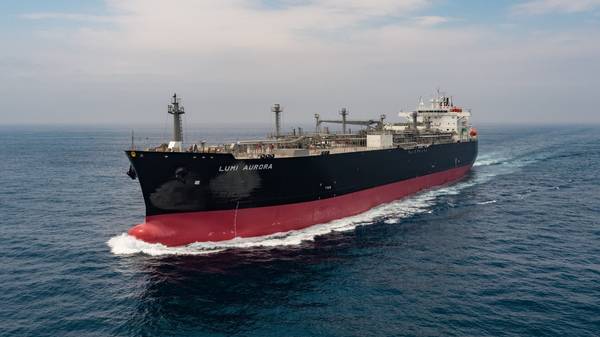
IINO Lines takes delivery of the world’s only ice-class VLGC at Hanwha Ocean’s Okpo yard
LPG dual-fuel vessel is also capable of carrying ammonia as cargo. |
|
|
|
||

|
Clean Arctic Alliance warns of black carbon threat as container ships eye Northern Sea Route
Environmental coalition urges IMO polar fuel rules as Arctic shipping activity raises climate concerns. |
|
|
|
||
|
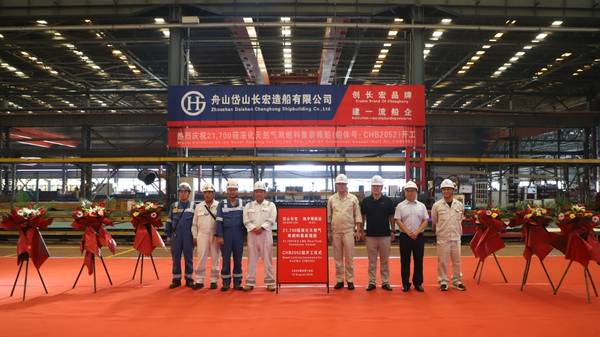
Construction begins on 21,700-TEU LNG dual-fuel boxship for MSC
366-metre vessel described as the largest container ship currently under construction in Zhejiang Province. |
|
|
|
||
|
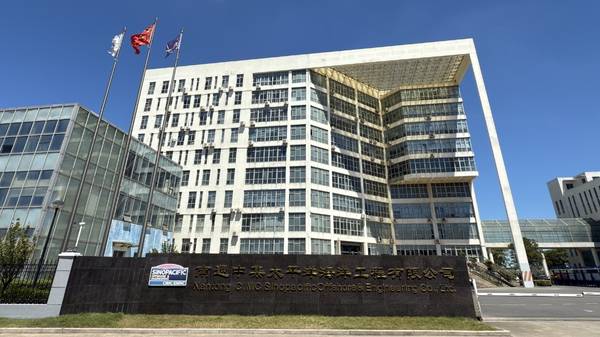
CIMC SOE signs order with European shipowner for 6,000-cbm LNG bunker vessel
Vessel set to provide LNG bunkering services at European ports once deployed. |
|
|
|
||
|
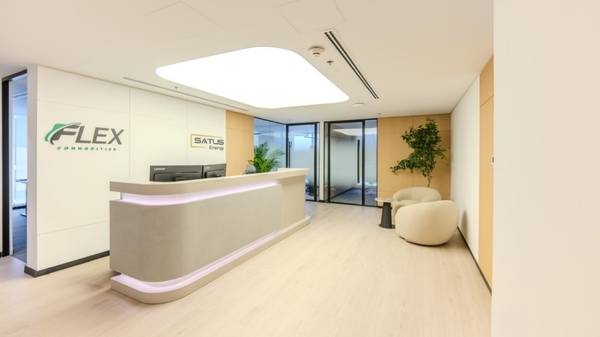
Flex Commodities moves Dubai head office to Jumeirah Lakes Towers
UAE-based firm relocates to waterfront community popular amongst bunker companies. |
|
|
|
||
|
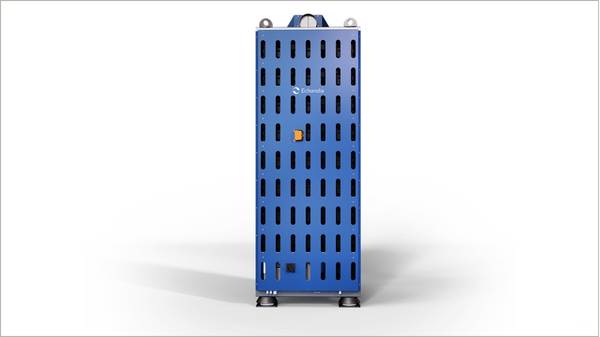
Echandia: Batteries offer fuel savings by optimising generator loads on large vessels
Marine batteries could cut auxiliary generator fuel consumption by up to 15%, according to technology firm. |
|
|
|
||
|
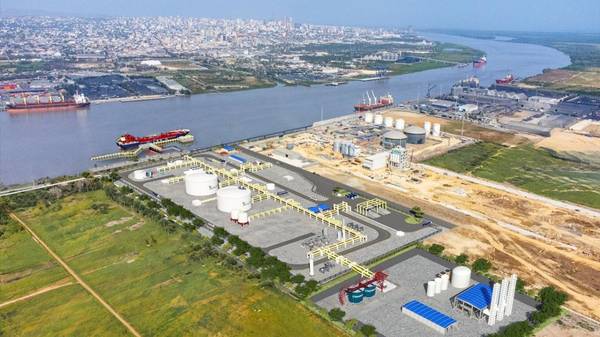
Amazónica LNG joins SEA-LNG, extending the coalition’s reach into Latin America
Colombian LNG terminal operator becomes first South American member of the multi-sector industry group. |
|
|
|
||
| OOCL joins Hong Kong low sulphur initiative [News & Insights] |
| OOCL launches CO2 calculator [News & Insights] |
| OOCL joins Climate Change Business Forum [News & Insights] |
| CPN delivers first B30 marine gasoil to OOCL in Hong Kong [News & Insights] |
| OOCL orders twelve 13,600-teu LNG dual-fuel container vessels from Chinese shipbuilder [News & Insights] |
| OOCL names first methanol dual-fuel vessel [News & Insights] |

