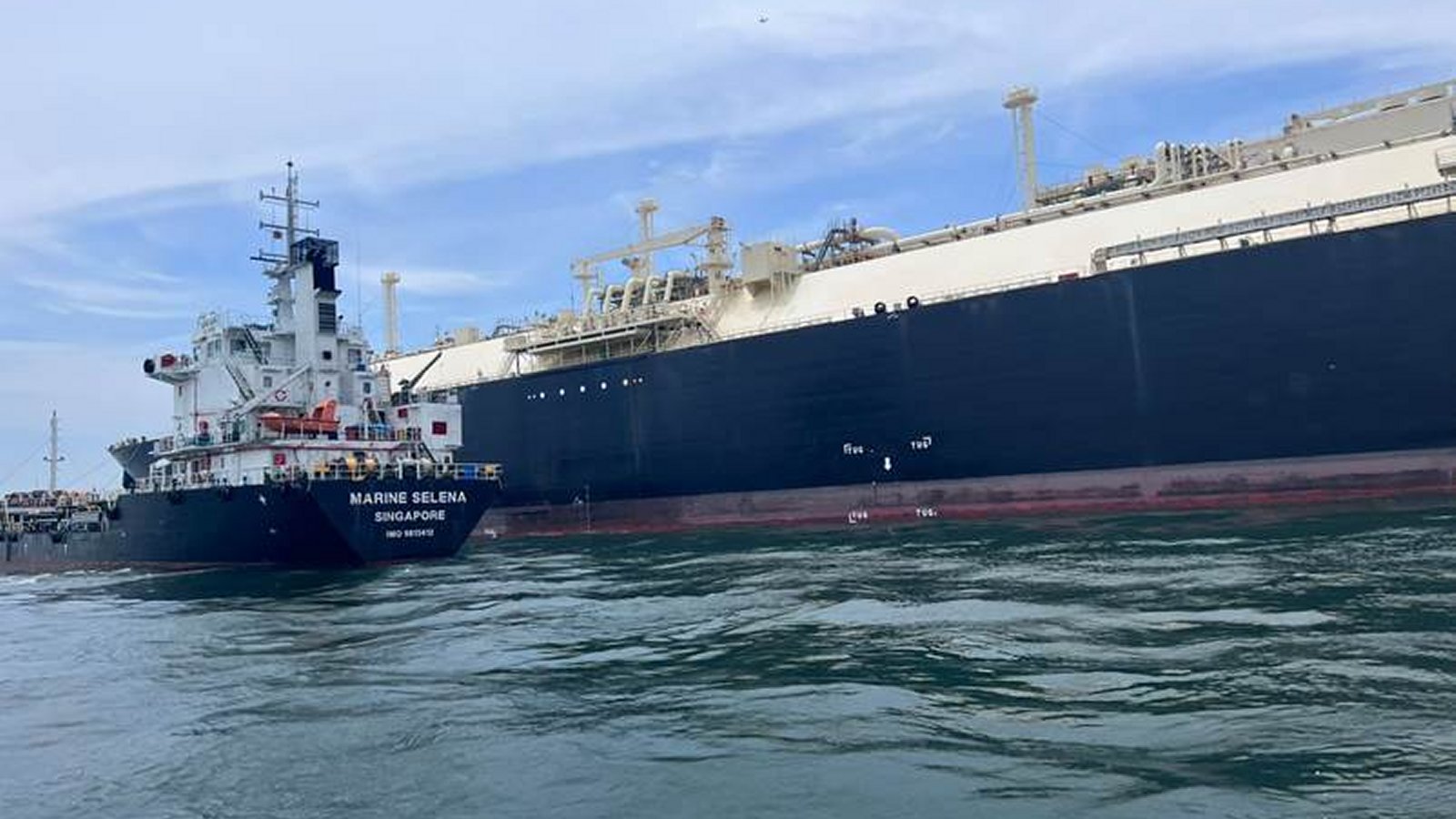
ExxonMobil reports that it recently performed two commercial ship-to-ship deliveries of bio-based marine fuel as part of a trial phase to test the viability of marine biofuels.
Specs: The marine biofuel is a 0.50% sulphur residual-based fuel (VLSFO) processed with up to 25% waste-based fatty acid methyl esters (FAME).
What they said: Commenting on the benefits of the product, Kamal Singh, Asia Pacific Commercial Fuels Sales & Marketing Director, ExxonMobil Asia Pacific Pte Ltd, explained: "As an engine-ready fuel, the bio-based marine fuel oil can be used without the need for expensive fuel system or engine modifications, and can help provide ship operators with an immediate reduction in emissions compared with full hydrocarbon alternatives."
Background: ExxonMobil completed its first trial of marine bio fuel oil back in 2020. Trials were carried out in cooperation with Stena Bulk, with bunkering taking place in Rotterdam.

|
Kuehne+Nagel seeks marine energy pricing analyst in Greece
Logistics firm recruiting for role focused on bunker pricing formulas and compliance cost analysis. |
|
|
|
||
|
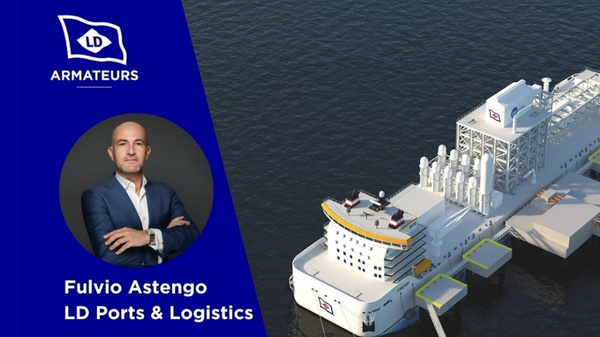
LD Armateurs to present floating ammonia terminal concept at London energy conference
French shipowner to showcase FRESH platform design for offshore hydrogen and ammonia supply chains. |
|
|
|
||
|
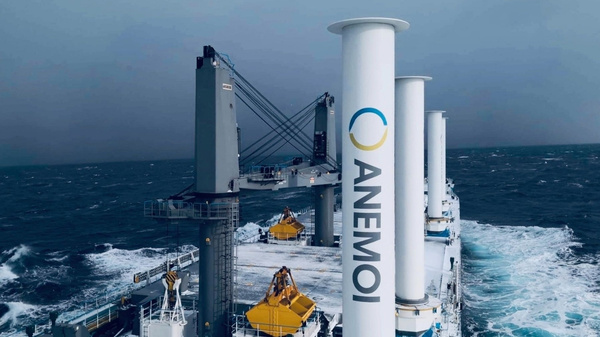
Anemoi rotor sails complete eight years of operation on bulk carrier M/V Afros
Lloyd’s Register survey finds no operational issues with wind propulsion system after extended service. |
|
|
|
||

|
Bunker Holding promotes Mikkel Kannegaard to chief operating officer
Kannegaard has led transformation of supply organisation since joining in August 2025. |
|
|
|
||

|
Uni-Fuels seeks general manager for London bunker trading desk
Nasdaq-listed marine fuel supplier recruits for commercial leadership role with P&L responsibility. |
|
|
|
||

|
NE Atlantic ECA will cause significant change to the current fuel mix | Steve Bee, VPS
The possibility of off-spec issues highlights the continuing need for proactive fuel testing to protect vessels. |
|
|
|
||

|
Smart ships failing to convert data into actionable intelligence, warns SmartSea
Maritime technology firm claims vessels collect vast amounts of data but lack integration to support decision-making. |
|
|
|
||

|
DNV forecasts 100-fold growth in clean hydrogen by 2060, with China leading expansion
Classification society projects $3.2tn investment in hydrogen sector, with maritime accounting for 15% of clean hydrogen use. |
|
|
|
||

|
Dual-fuel container ship and vehicle carrier fleet surpasses 1,200 vessels
World Shipping Council reports 65% year-on-year increase in operational dual-fuel vessels to 440 ships. |
|
|
|
||

|
European Shipowners calls for ETS revenue investment and fuel supplier mandate
ECSA urges the EU to invest €9bn in annual ETS revenues in fuel production and infrastructure. |
|
|
|
||
| ExxonMobil completes trial of its first bio fuel oil [News & Insights] |
| Report: 2015 targets could cause adverse environmental effects [News & Insights] |
| Construction of Costa Cruises' first LNG-fuelled ship under way [News & Insights] |
| German minister voices support for LNG fuel initiative [News & Insights] |
| Ceremonies held for MSC Cruises ships with scrubbers [News & Insights] |
| World's first LNG ship-to-ship transfer [News & Insights] |